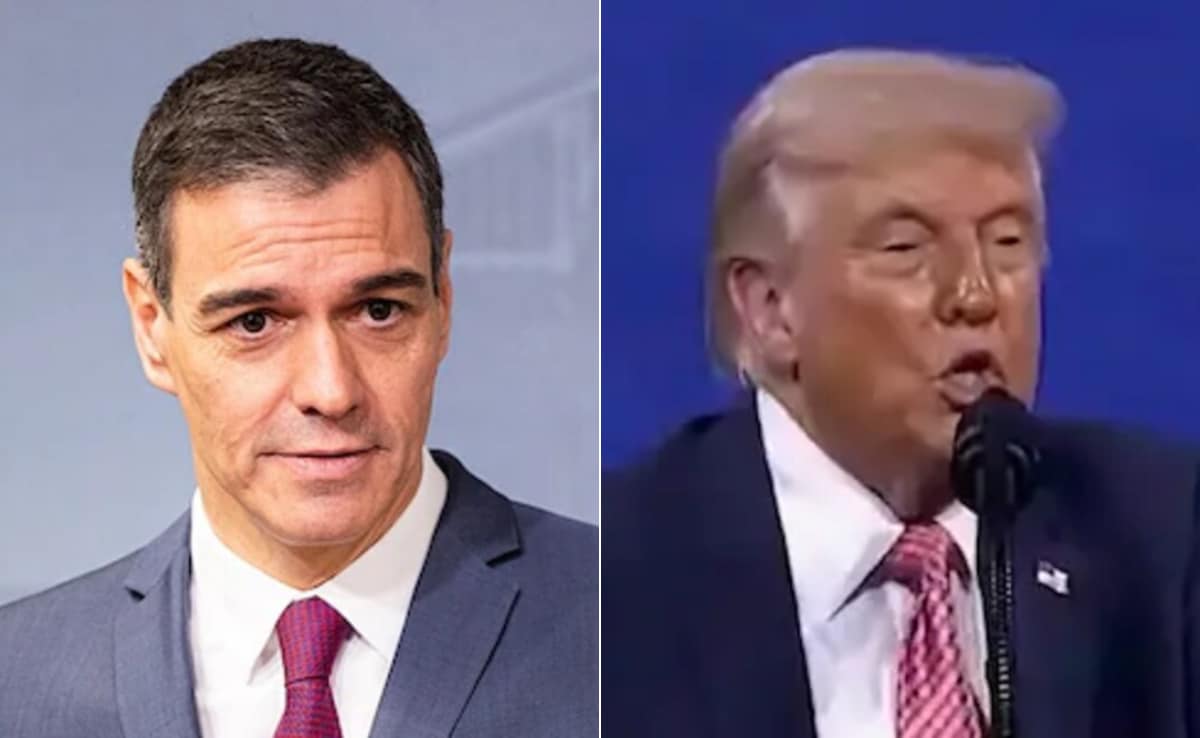
The cracks in the Western alliance aren't just showing anymore; they're gaping holes. While Washington and Israel ramp up military strikes against Tehran, the old "united front" of Europe has officially disintegrated. At the center of this defiance is Spain. Prime Minister Pedro Sánchez isn't just dragging his feet; he's actively slamming the door on American military ambitions in the Mediterranean.
If you're wondering why a mid-sized European power is suddenly playing hardball with a U.S. President known for his "America First" retaliation, the answer is simple. Spain doesn't see this as their fight, and they're betting that the European Union’s collective trade power will shield them from the White House's wrath. It's a high-stakes gamble that has turned Madrid into the unofficial headquarters of European dissent. For another look, read: this related article.
The Base Blocade in Rota and Morón
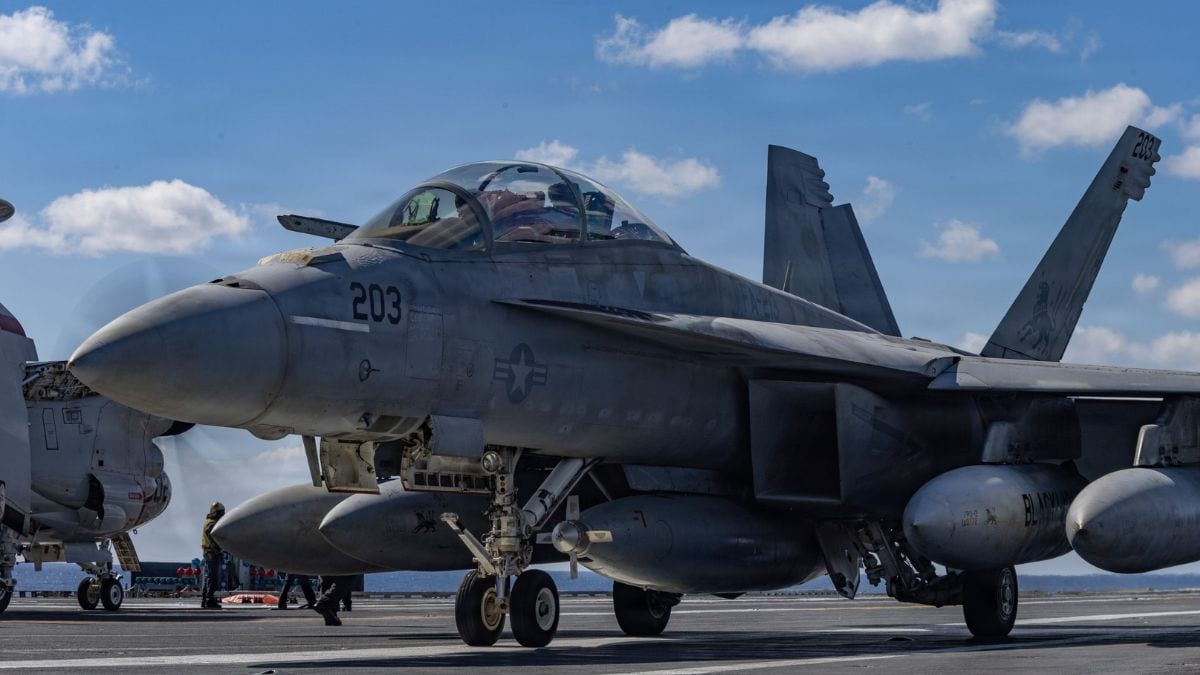
The real friction isn't happening in diplomatic cables—it's happening on the ground at the Rota Naval Base and Morón Air Base. These are strategic crown jewels for the U.S. military. Usually, they're the jumping-off points for any American operation in the Middle East or North Africa.
This time, Sánchez has done the unthinkable. He’s explicitly denied the U.S. the right to use these Spanish bases for offensive strikes against Iran. For a NATO ally, that's basically a declaration of independence. Washington’s response was predictably swift. Trump’s team has already called Spain a "terrible" ally, even threatening to sever trade ties with one of Europe's most stable economies. Similar insight regarding this has been shared by BBC News.
But here’s what the U.S. administration keeps forgetting: Spain isn't an island. You can't just sanction Spain without hitting the entire EU. Because of the single market, any trade war started against Madrid is effectively a trade war against Berlin, Paris, and Rome. Sánchez knows this. He’s using the EU’s bureaucratic complexity as a suit of armor.
Why Spain is Leading the Defiance
You might ask why Spain is the one sticking its neck out. Why not France or Germany? Honestly, it comes down to a mix of domestic survival and a long-standing "No to War" sentiment that’s baked into the Spanish left.
- Political Survival: Sánchez leads a fragile minority government. His base is tired of sexual harassment scandals and graft allegations that have plagued the administration recently. Nothing rallies the Spanish left like a "principled" stand against American military intervention.
- The 2019 Precedent: This isn't the first time Madrid has pulled this move. Back in 2019, Spain abruptly withdrew the frigate Méndez Núñez from a U.S. carrier strike group heading to the Gulf. They didn't want to be "accidentally" dragged into a shooting war. They're just following the same playbook now, but with much higher stakes.
- Values vs. Interests: Foreign Minister José Manuel Albares has been blunt. He says Spain won't be "complicit" in a conflict that violates international law just because they're afraid of a few tweets or tariffs.
A Europe Deeply Divided
Don't mistake Spain's defiance for a continental consensus. Europe is a mess of conflicting interests right now. On one side, you have Poland and the Baltic states. They're practically cheering for the U.S. strikes. For them, a strong Washington is the only thing keeping Russia at bay. They don't care about the nuances of Middle Eastern diplomacy; they just want the U.S. military to remain dominant and engaged.
Then there’s Germany. Chancellor Friedrich Merz is trying to walk a tightrope that doesn't exist. He’s visited the Oval Office, whispered that Germany is "on the same page," but then stayed quiet when Trump trashed his European neighbors. It’s a cowardly middle ground that leaves Germany looking weak to both sides.
France is doing its usual "strategic autonomy" dance. Macron is criticizing the legality of the strikes while simultaneously sending the Charles de Gaulle aircraft carrier to the region to "protect French interests." It’s basically saying, "We don't like what you're doing, but we'll bring our own guns just in case."
The Economic Retaliation Myth
Trump's threat to cut off trade with Spain sounds terrifying on a news ticker, but it's mostly theater. Spain is a massive exporter of olive oil, wine, and automotive parts. If the U.S. slaps 100% tariffs on Spanish goods, the EU will almost certainly retaliate with tariffs on American tech or agriculture.
Nobody actually wins a trade war over a military base dispute. Spanish officials are betting that the U.S. business lobby will eventually muzzle the White House before any real damage is done. Besides, Spain has been pivoting its energy strategy for years. They aren't as vulnerable to the Middle Eastern oil shocks that a full-scale Iran war would trigger, thanks to their heavy investment in renewables and Algerian gas.
What Happens if the War Escalates
If the conflict with Iran turns into a prolonged regional war, Spain's position will become even more isolated within NATO. There is a real risk that Washington will try to bypass Madrid entirely, moving assets to more "compliant" hubs in Greece or Italy.
However, Italy’s government is also showing signs of cold feet. Defense Minister Guido Crosetto has already questioned the legality of the strikes. If Italy joins Spain in a Mediterranean "no-go" zone for U.S. bombers, the Pentagon's logistics for an Iran campaign will effectively collapse.
The lesson here is that being a "superpower" doesn't mean much if you can't get your friends to let you park your planes. Spain is proving that even a junior partner can paralyze a giant if they have the guts to say no.
Check your local news for updates on the Rota base status. If the U.S. starts moving ships out of Spain and into Eastern Mediterranean ports, you’ll know the diplomatic rift has become permanent. Watch the EU's response to the next round of trade threats—if Brussels stands by Madrid, the U.S. will have no choice but to back down on sanctions.