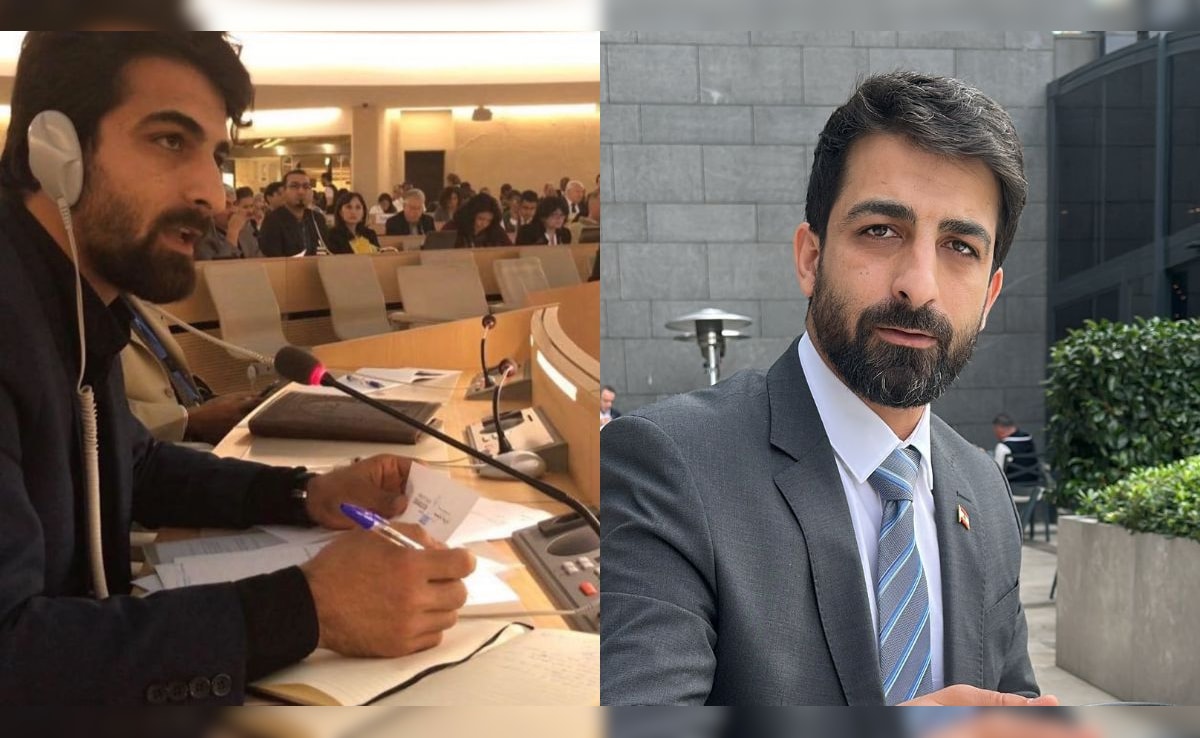
The recent resignation of a high-ranking UN diplomat has sent a shockwave through the international community. This departure was not a standard bureaucratic shuffle but a deliberate signal. The official stepped down specifically to warn that the window for a diplomatic resolution to Iran’s nuclear program is effectively closed. They explicitly cited the heightened risk of "possible nuclear weapon use" in the region. This is no longer a theoretical debate about enrichment percentages. It is a transition into a new, far more dangerous phase of global security.
For decades, the conversation around Iran’s nuclear capabilities centered on "breakout time." This was the theoretical duration required to produce enough weapons-grade uranium for a single device. That metric is now obsolete. Iran has already mastered the fuel cycle. The focus has shifted to weaponization—the difficult engineering of fitting a nuclear warhead onto a missile. When a diplomat of this caliber walks away from the table, it suggests that the intelligence indicates the engineering phase is nearing completion.
The Death of Diplomatic Patience
Diplomacy relies on the idea that both sides have something to lose. For years, the Joint Comprehensive Plan of Action (JCPOA) acted as a pressure valve. Even after the United States withdrew in 2018, the shell of the agreement provided a reason for inspectors to remain on the ground. That era has ended. The International Atomic Energy Agency (IAEA) has reported a systematic "blindness" in its monitoring capabilities as Tehran disconnected cameras and restricted access to key sites.
The outgoing diplomat’s warning reflects a grim reality. If you cannot see what is happening in the workshops of Isfahan or the tunnels of Fordow, you cannot claim a peaceful path exists. We are witnessing the failure of the "maximum pressure" campaign and the "patient diplomacy" that followed it. Neither approach stopped the centrifuges. Instead, they incentivized the Iranian leadership to reach for the ultimate deterrent to ensure their survival.
Technical Milestones That Changed the Math
It is a common mistake to think of a nuclear program as a single project. It is a massive industrial undertaking. To understand why the warning of "possible use" is being issued now, we have to look at the hardware.
Enrichment at Sixty Percent
Iran is currently enriching uranium to 60% purity. In technical terms, this is a hair’s breadth away from the 90% required for a bomb. The physics of enrichment is non-linear. Most of the work is done to get from 0.7% (natural uranium) to 20%. Moving from 60% to 90% is a relatively simple and fast process that can be done in a matter of weeks, or even days, using a small "cascade" of advanced centrifuges.
Advanced Centrifuge Deployment
The IR-6 and IR-9 centrifuges are the workhorses of the modern Iranian program. These machines are significantly more efficient than the early IR-1 models. They allow for a much smaller footprint. A facility using IR-9s can be hidden in a mountainside or a reinforced basement, making it nearly impossible to destroy through conventional air strikes. This "hardening" of the program is what leads analysts to believe that a military solution is no longer a guaranteed success.
The Metal Hurdle
The most overlooked aspect of the recent warnings involves uranium metal. To make a bomb, you don't just need gas; you need to cast uranium into a solid metallic core. Iran has experimented with this process. While they claim it is for fuel for a research reactor, the international community knows it is the final technical bridge to a functioning weapon.
The Strategy of Ambiguity
Tehran is likely not aiming for a "test" in the style of North Korea. A test is a definitive act that triggers an immediate and massive response. Instead, they are pursuing a policy of nuclear hedging. By staying on the threshold—having all the parts ready but not quite assembled—they gain the leverage of a nuclear state without the immediate sanctions of a declared one.
The danger, as the resigned diplomat noted, is that threshold states are inherently unstable. If a rival nation, such as Israel, perceives that the threshold has been crossed in secret, the pressure to launch a preemptive strike becomes overwhelming. This creates a "use it or lose it" dilemma. If Iran fears an imminent strike, they may feel compelled to assemble and deploy their assets as a final defense. This is the scenario where "possible nuclear weapon use" moves from a headline to a reality.
The Intelligence Gap
We are currently operating in an intelligence vacuum. During the height of the JCPOA, the IAEA had a "continuous presence" at Iranian sites. Now, we are relying on satellite imagery and human intelligence. Satellite photos can show a new tunnel entrance, but they cannot show what is happening 300 feet underground. Human intelligence is notoriously fickle in highly policed states.
This lack of clarity is what forced the diplomat’s hand. When you cannot verify, you have to assume the worst-case scenario. The veteran analysts who have watched this play out since the early 2000s are seeing patterns that mirror the lead-up to previous regional conflicts. The rhetoric is hardening. The red lines are being drawn in permanent marker.
The Role of Regional Rivals
The nuclear issue does not exist in a vacuum. Saudi Arabia has stated clearly that if Iran gets a bomb, they will follow suit. This would trigger a nuclear arms race in the world’s most volatile region. We are looking at a future where multiple states in the Middle East possess the most destructive weapons on earth, managed by regimes with long-standing religious and territorial grievances.
Israel remains the most immediate wildcard. For the Israeli defense establishment, an Iranian nuclear weapon is an existential threat. They have shown a willingness to act alone, as seen in the 1981 strike on Iraq’s Osirak reactor and the 2007 strike on Syria’s Al-Kibar site. The difference here is scale. Iran’s program is decentralized and deeply buried. A single strike will not end it; it will only delay it and ensure that the eventual weapon is used out of vengeance.
The Broken Global Guardrails
The UN Security Council is paralyzed. With the current geopolitical split between the West, Russia, and China, there is no chance of a unified front on Iran. Russia, once a partner in curbing Iran’s nuclear ambitions, now relies on Iranian drones for its operations in Ukraine. This partnership has fundamentally changed the board. Moscow is no longer an objective mediator; they are a customer and an ally of Tehran.
China, meanwhile, continues to purchase Iranian oil, providing the economic lifeline that keeps the regime afloat despite Western sanctions. Without a unified global coalition, there is no "stick" heavy enough to force a change in behavior. The diplomat who quit realized that the tools of their trade—treaties, resolutions, and communiqués—are now useless.
The Reality of the "New Normal"
We have to stop waiting for a return to the 2015 status quo. It is gone. The Iranian nuclear program has matured past the point of being "un-invented." Even if every centrifuge was destroyed tomorrow, the knowledge remains. The scientists and engineers have the blueprints in their heads.
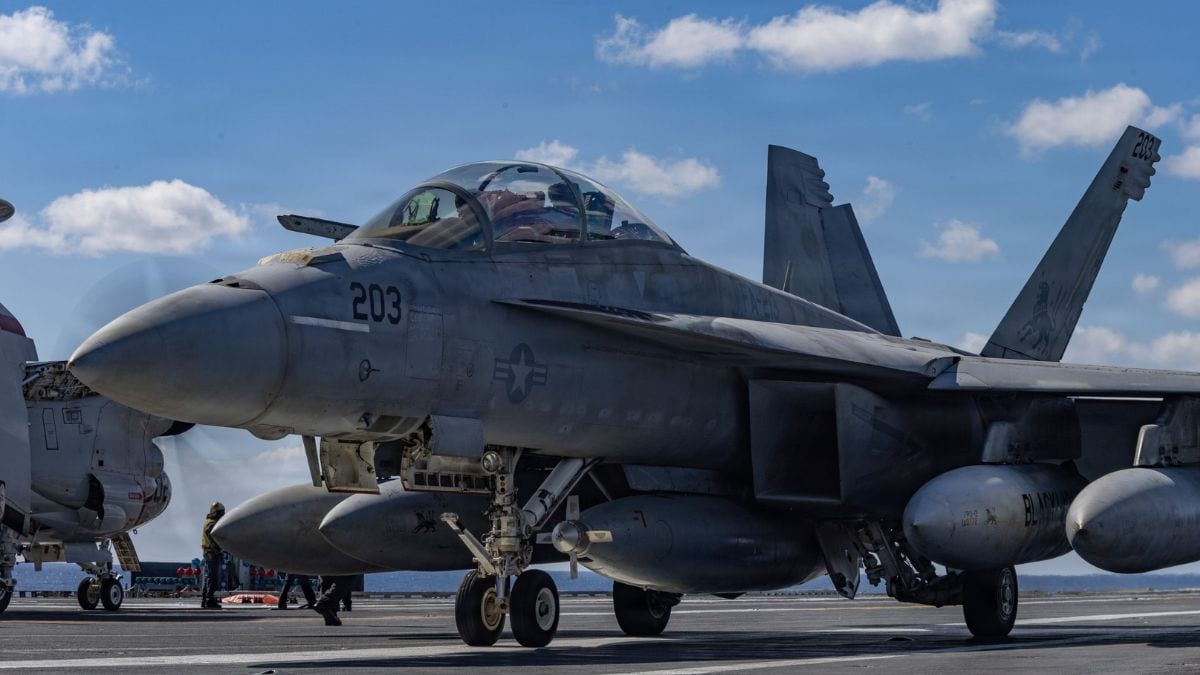
The immediate concern is no longer preventing Iran from knowing how to build a bomb. It is preventing the conditions that would lead them to use one. This requires a shift from "prevention" to "containment." It is a much uglier, much more expensive strategy. It involves permanent carrier strike groups in the Persian Gulf, expanded missile defense systems across the region, and a constant, low-grade shadow war in the cyber and intelligence realms.
The Final Warning
The diplomat’s resignation is a final plea for a change in strategy. They are telling the world that the current path leads directly to a flashpoint. If the international community continues to rely on empty threats and outdated monitoring, the first sign of a completed Iranian weapon will not be a press release. It will be a seismic event or a catastrophic regional escalation.
The time for measured responses has passed. We are now in a period of high-stakes crisis management where a single miscalculation by any player—be it in Washington, Jerusalem, or Tehran—could trigger the very "use" that the world has spent forty years trying to avoid. The alarm is ringing. Whether anyone is listening remains the most dangerous question of our time.