The deadline has passed, the bags aren't packed, and the coffee is still brewing at the Iranian embassy in Beirut. On March 29, 2026, the Lebanese government’s order for Iranian Ambassador Mohammad Reza Sheibani to pack his things and leave the country officially expired. Instead of a departure, the world got a blatant "no."
Iran’s Foreign Ministry spokesperson, Esmail Baghaei, didn't mince words this Monday. He confirmed the envoy is staying right where he is. This isn't just a diplomatic spat or a misunderstanding over paperwork. It’s a full-blown crisis of sovereignty that asks one uncomfortable question: Who actually runs Lebanon?
The Illusion of Lebanese Authority
For years, the Lebanese state has tried to project the image of a functional, independent nation. But when the Foreign Ministry declared Sheibani persona non grata last Tuesday, they accidentally pulled the curtain back on a messy reality. The order was a response to what Beirut called "interference in internal politics"—a polite way of saying Iran is treating Lebanon like a satellite state.
Prime Minister Nawaf Salam has been increasingly vocal, even accusing Iran’s Revolutionary Guard of calling the shots for Hezbollah’s military operations. He’s right to be worried. When your own government orders a foreign official out and that official just ignores you because the local militia has his back, you aren't exactly in the driver's seat.
A House Divided Against Itself
The internal rift in Beirut isn't just wide; it's a canyon. On one side, you have figures like Foreign Minister Youssef Raggi and Lebanese Forces leader Samir Geagea pushing for a "Lebanon First" policy. They want the Revolutionary Guard out and Hezbollah's military wings clipped.
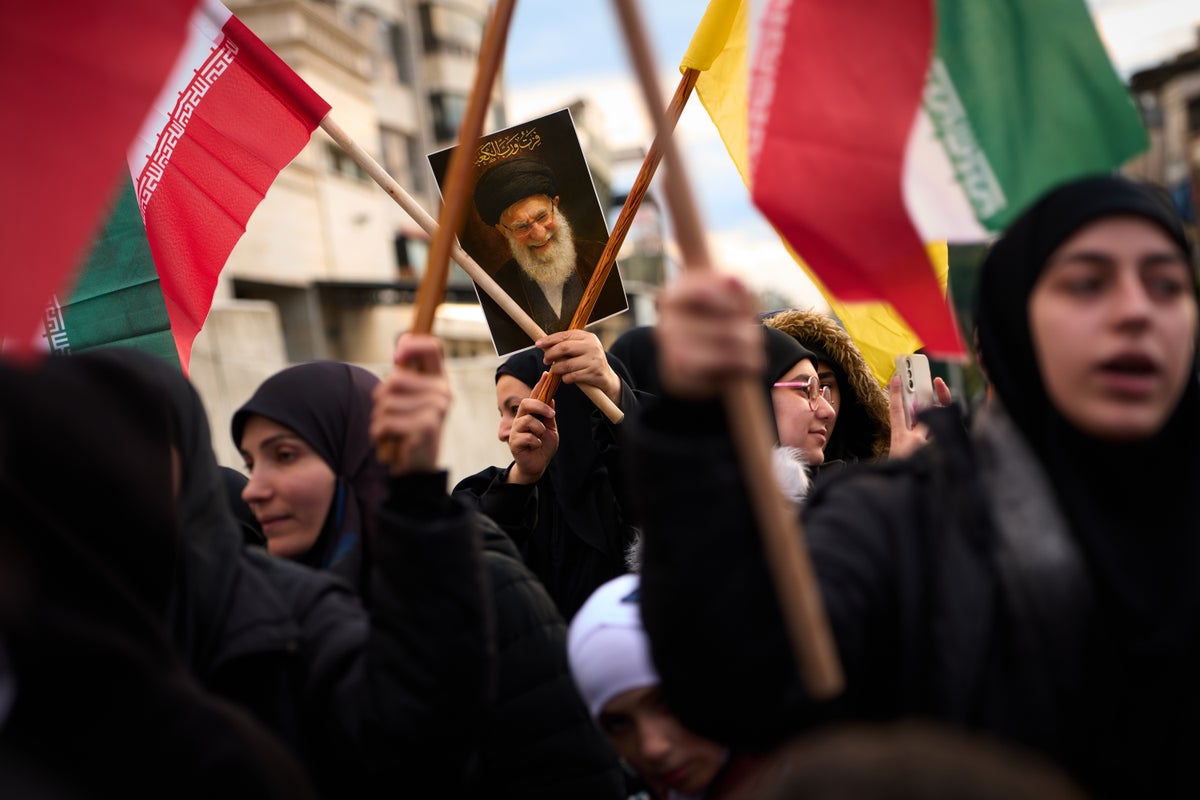
On the other side, you have the heavy hitters of the Shi'ite political establishment. Speaker of Parliament Nabih Berri and the leadership of Hezbollah have essentially told the government to kick rocks. They didn't just disagree with the expulsion; they boycotted cabinet sessions to paralyze the state.
An Iranian source told reporters that Sheibani is staying specifically because Berri and Hezbollah asked him to. Think about that for a second. A foreign diplomat is taking orders from a political faction and an armed group rather than the formal state ministry that issued his visa.
The Regional Powderkeg
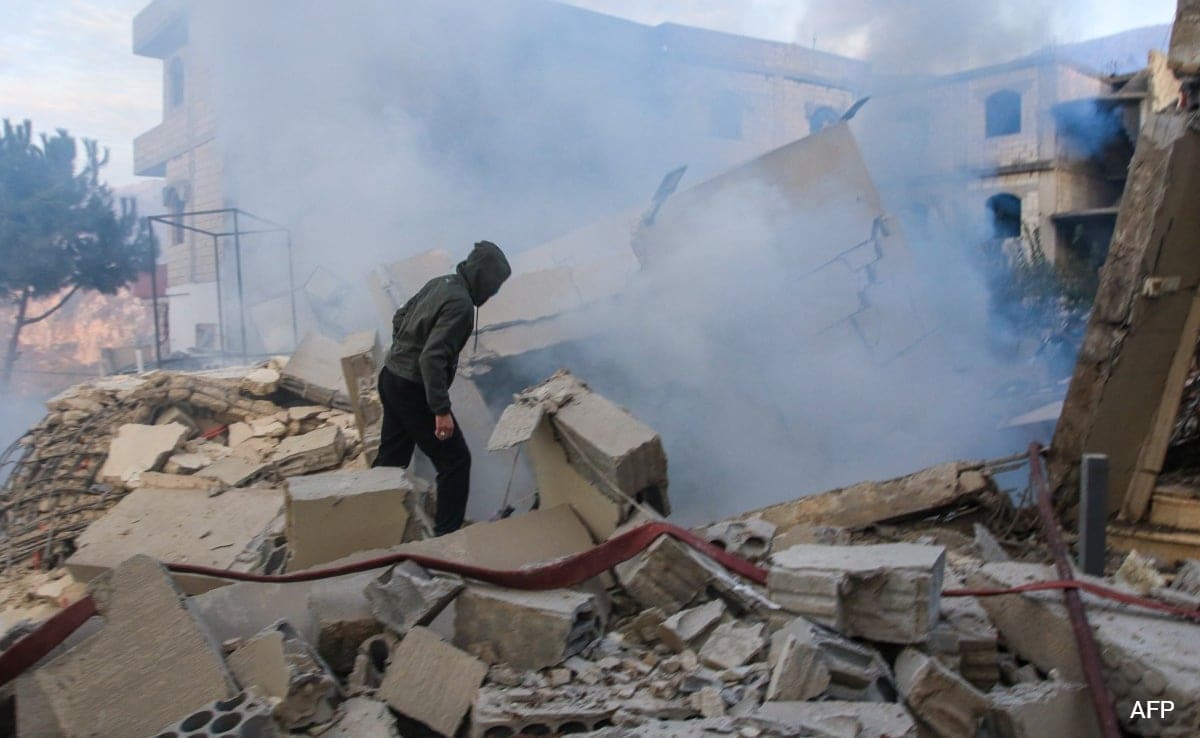
This standoff is happening while the region is literally on fire. Ever since the conflict escalated in early March 2026, Lebanon has been dragged into a war it didn't vote for. Israeli Foreign Minister Gideon Sa'ar was quick to twist the knife, mocking Lebanon as a "virtual state" occupied by Iran. While Sa'ar’s rhetoric is pointed, the optics of Sheibani "sipping his coffee" in defiance of an expulsion order makes it hard for Beirut to argue otherwise.
The stakes are higher than just one man’s residency. Lebanon has already banned Hezbollah’s military activities and the presence of the Revolutionary Guard on paper. But paper doesn't stop missiles, and it clearly doesn't stop ambassadors.
What Happens When Nobody Backs Down
We're in uncharted territory here. Usually, when a diplomat is kicked out, they leave to avoid a massive international incident. By staying, Sheibani is betting that the Lebanese government is too weak to physically remove him. He’s probably right. If the Lebanese security forces tried to force him out, they’d likely run into a Hezbollah checkpoint before they even reached the embassy gates.
This leaves the Salam government in a corner. If they do nothing, they look like puppets. If they try to enforce it, they risk a civil-war-style internal collapse.
If you're watching this from the outside, don't look at this as a minor headline about an ambassador. It’s the sound of a state’s authority hitting a brick wall. The next few weeks will determine if Lebanon can actually claw back its right to make its own decisions or if "sovereignty" is just a word they use in press releases.
Keep an eye on the cabinet meetings. If the boycott continues, the government won't be able to pass a budget, let alone manage a war. The real test isn't whether Sheibani leaves—it's whether the Lebanese state survives the fact that he stayed.