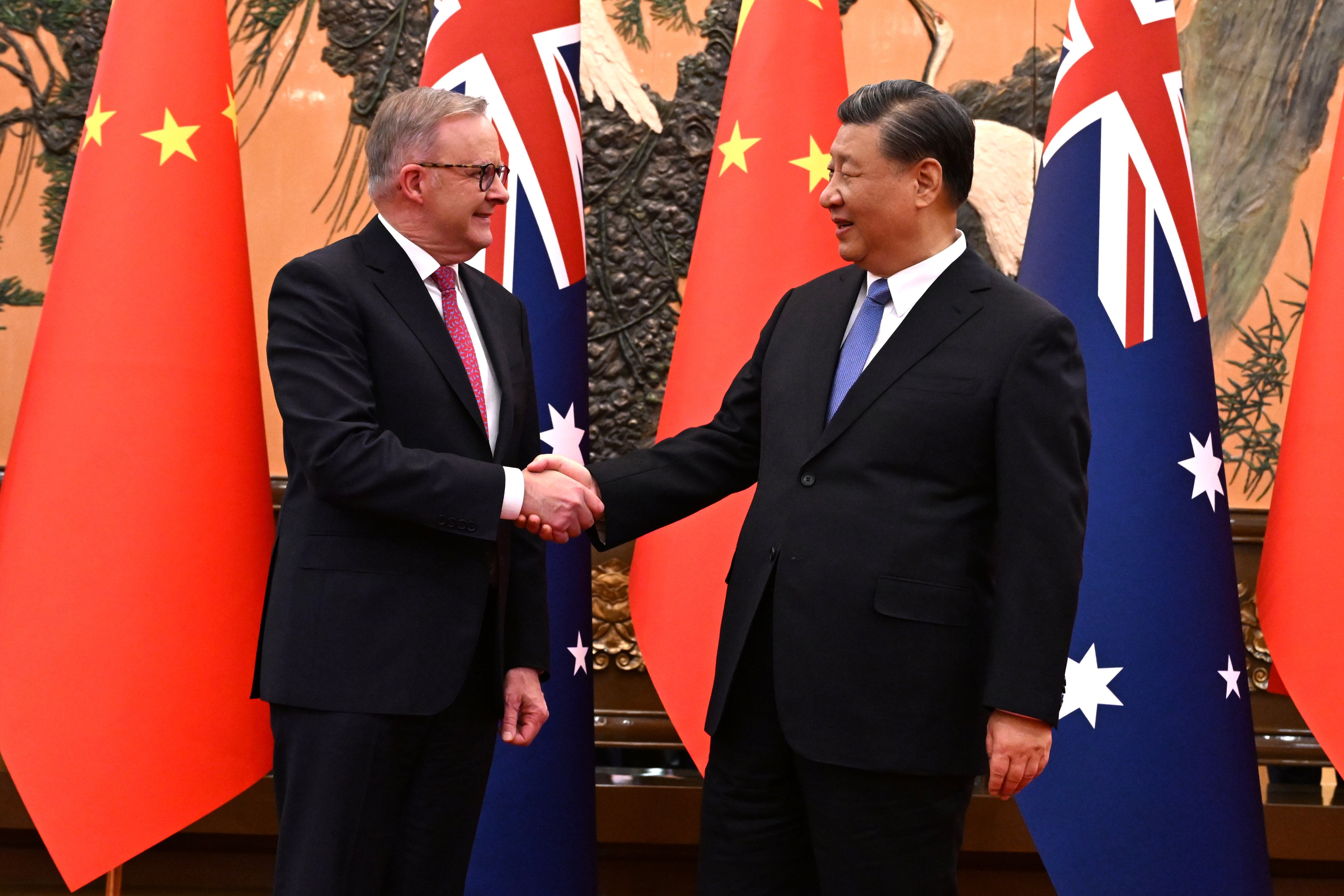
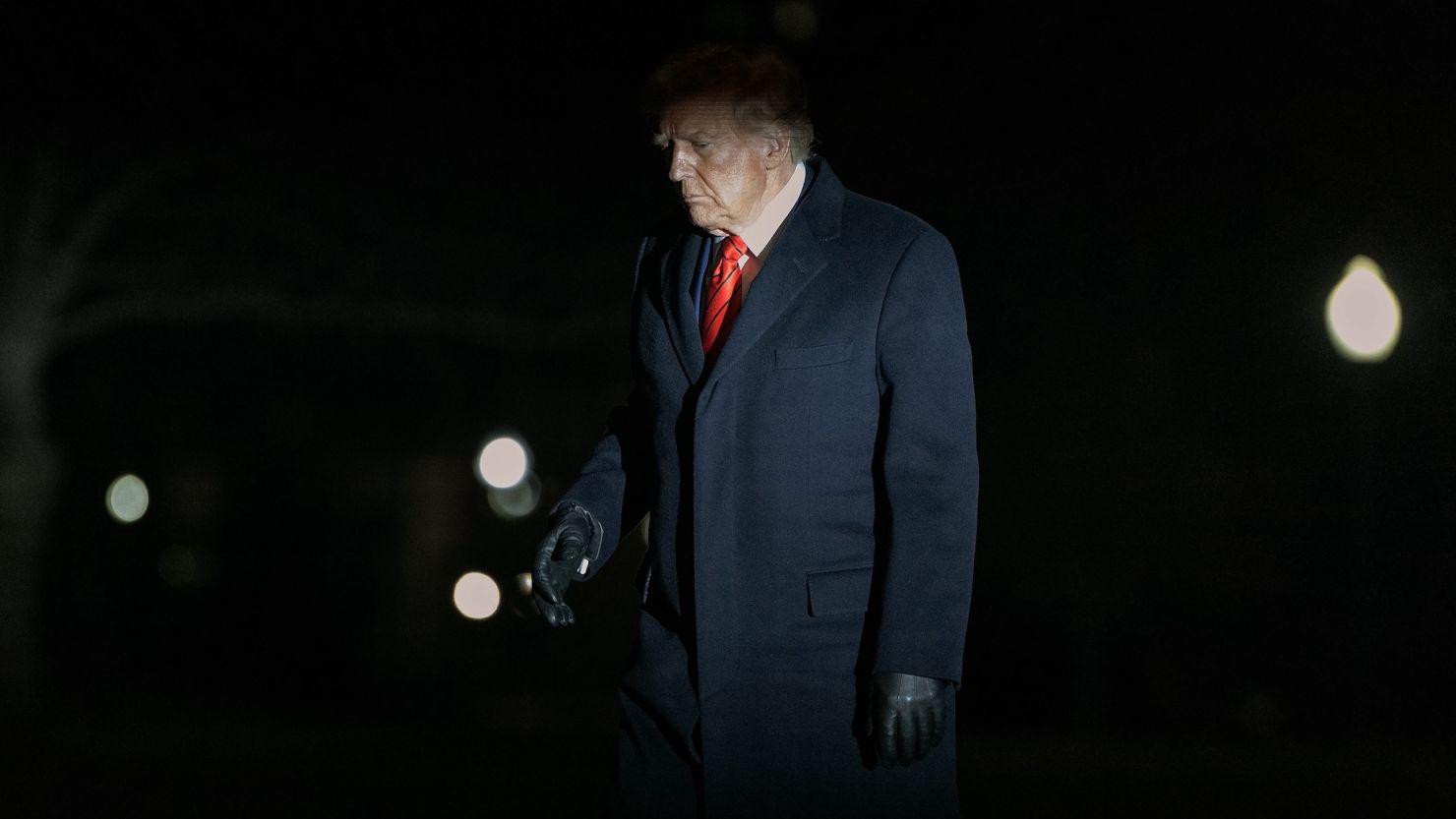
Donald Trump just dropped a massive hammer on global trade, and it's not because of cheap electric cars or steel. It's about missiles. He's threatening a staggering 50 percent tariff on any country that ships weapons to Iran. Specifically, he's looking at China.
It’s a classic Trump move. Mix high-stakes military tension with the one thing he knows can cripple a modern economy: the cost of doing business with America. I've watched this play out before, but the stakes in April 2026 are different. We aren't just talking about a trade war anymore; we’re looking at trade being used as a literal shield against a shooting war.
The Intelligence Behind the Threat
You have to look at why this is happening right now. Intelligence reports recently started swirling that Beijing is getting ready to ship advanced air defense systems and MANPADS (shoulder-fired missiles) to Tehran. These aren't just toys. They are the kind of tech that makes it very hard for U.S. aircraft to operate safely in the region.
China’s embassy in D.C. says it’s all fake news. They claim they haven't sent a single bullet to any party in the conflict. But the White House isn't buying it. Trump told Fox News on Sunday that while he "doubts" they’d do it because of his relationship with Xi Jinping, he’s ready to pull the trigger on these tariffs if he catches them.
What’s Actually at Stake
- Military Tech: We’re talking about air defense systems that could neutralize U.S. tactical advantages.
- Economic Leverage: A 50 percent tariff would essentially end China’s ability to compete in the U.S. market for almost any consumer good.
- Energy Plays: Trump is even telling China to ditch Iranian oil and buy "overproduced" American crude instead.
Why 50 Percent is a Magic Number
You might think 50 percent is just a random, scary number. It’s not. In the world of global logistics, a 10 percent or 20 percent tariff can sometimes be absorbed by a company or a government willing to take a loss for a strategic goal. But 50 percent? That’s a wall. It makes it mathematically impossible for Chinese manufacturers to sell to American retailers without losing their shirts.
The goal here isn't just to punish China; it's to make the cost of helping Iran so high that the CCP's bean counters tell the generals to stay home. It’s economic deterrence in its purest form. If you're a business owner importing parts from Shenzhen, this is your nightmare scenario.
The Strait of Hormuz Factor
This isn't happening in a vacuum. Trump also just ordered a full blockade of the Strait of Hormuz. That’s the world’s most important oil chokepoint. China gets nearly half of its oil through that waterway.
So, look at the squeeze play he’s running:
- Blockade the oil China needs to run its factories.
- Threaten 50 percent tariffs on the goods those factories produce if they help Iran.
- Offer American oil as the "friendly" alternative to keep their lights on.
It’s aggressive. It’s risky. It’s basically telling Beijing they can have a functioning economy or they can have a military alliance with Iran, but they can't have both.
Legal Hurdles and Reality Checks
Don't think this is a done deal yet. The Supreme Court already clipped Trump’s wings earlier this year on how he uses emergency powers to bypass Congress for tariffs. He’s going to have to find a different legal path this time, likely through Section 301 (unfair trade practices) or Section 232 (national security grounds).
These legal paths are slower. They require more paperwork and more time for lobbyists to scream bloody murder. But if the administration can prove that Chinese weapons are actively targeting U.S. assets, the "national security" justification becomes almost impossible to beat in court.
How This Impacts Your Wallet
If you think this is just a geopolitical game, check your receipts. If these tariffs actually hit, everything from your next smartphone to the components in your car is going to get a lot more expensive. We’re talking about a massive inflationary shock.
But from the White House perspective, a higher price for a TV is a small price to pay to keep U.S. pilots from getting shot down by Chinese-made missiles in the Middle East. It’s a trade-off that has huge implications for the global supply chain.
What Happens if China Doesn't Back Down
Beijing isn't known for folding easily. They’ve already warned that their access to shipping lanes "must be guaranteed." If Trump keeps the blockade and adds the tariffs, expect China to retaliate by cutting off rare-earth minerals. Those are the materials you need for literally everything—batteries, magnets, fighter jets.
If you're an investor or a business leader, you need to be diversifying your supply chain away from this friction point right now. Don't wait for the "catch them" moment Trump mentioned. The uncertainty alone is enough to kill a quarter's profits.
Start looking at "friend-shoring" options in Southeast Asia or Mexico. The days of relying on a stable U.S.-China trade relationship while military tensions rise are over. You need to hedge your bets before the 50 percent wall actually goes up.