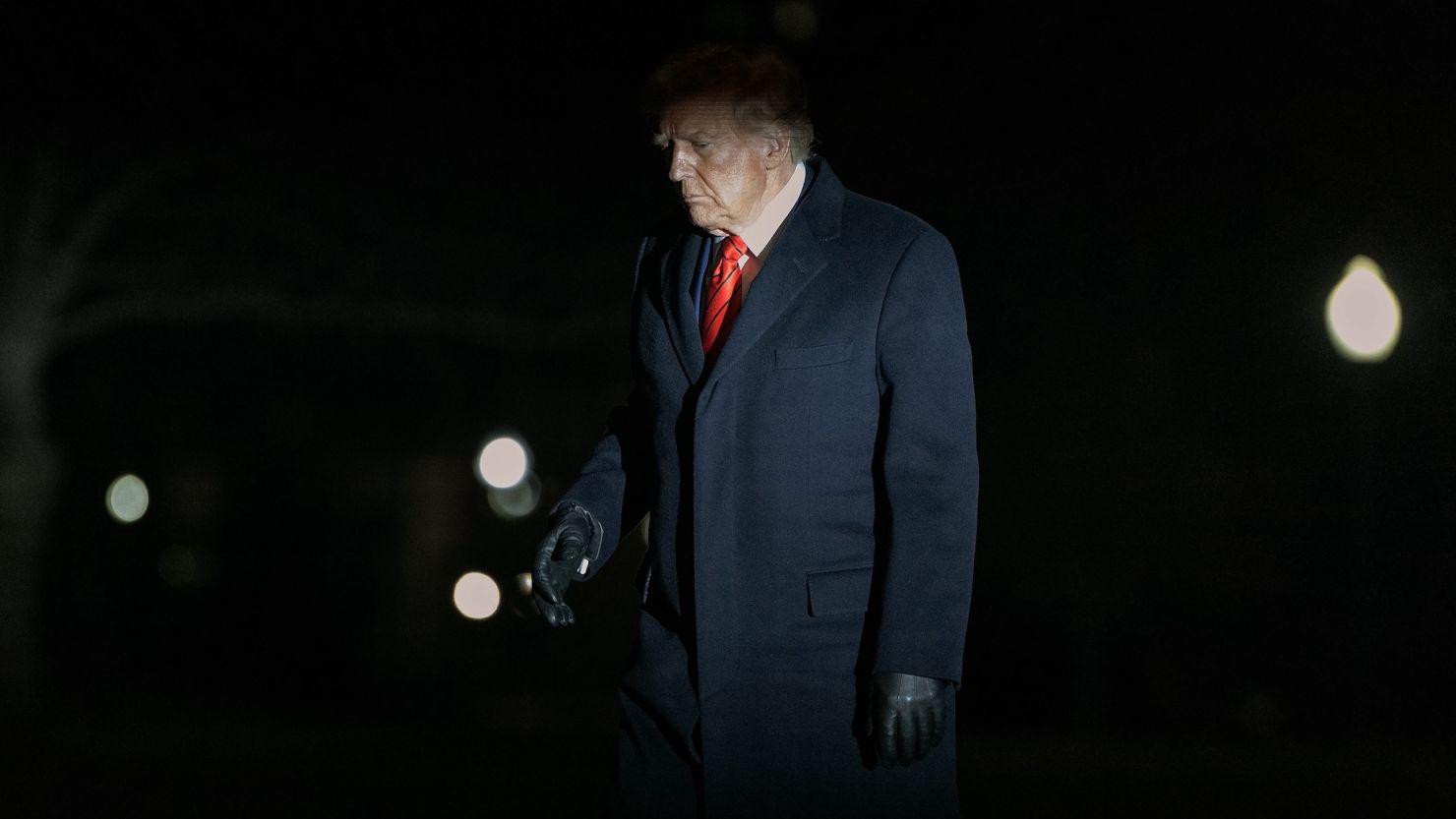
The air in the Oval Office usually tastes of aged wood and heavy expectations, but tonight, it felt thinner, as if the oxygen itself was being rationed. Outside, the world was still operating under the assumption that words—diplomatic, strained, or otherwise—could still bridge the chasm between Washington and Tehran. Inside, that bridge had just buckled. The reports from Islamabad were not just disappointing; they were final. No deal. No compromise. No way forward.
In the wake of that silence, a signature changed the physics of global trade.
Donald Trump’s announcement of a naval blockade of Iran isn’t just a headline for the financial tickers or a talking point for the Sunday shows. It is a physical wall built of steel and gray paint, stretching across the blue throat of the world. By ordering the United States Navy to intercept and turn back vessels bound for Iranian ports, the administration has moved past the era of digital sanctions and into the gritty, salt-sprayed reality of kinetic enforcement.
Consider a single tanker captain. He is thousands of miles from the mahogany desks of DC, navigating the shimmering heat of the Gulf of Oman. For him, the news arrives not as a press release, but as a shadow on the radar. The shadow of a destroyer. The stakes for this man aren’t geopolitical; they are visceral. If he pushes forward, he risks a confrontation that could ignite the very fuel he carries. If he turns back, he fails a contract and leaves a nation waiting for the grain, the medicine, or the parts contained in his hold.
This is where the dry facts of "failed talks" transform into the lived reality of a global chokehold.
The collapse of the Islamabad negotiations was the final domino. For weeks, intermediaries had paced the hallways of the Pakistani capital, trying to find a middle ground on nuclear enrichment and regional influence. The failure to reach an agreement didn't just return the status quo; it shattered it. When diplomacy expires, the vacuum is filled by the military.
A naval blockade is one of the most aggressive tools in the box of statecraft. It is an act of "passive-aggressive" war. You aren't firing missiles into a city, but you are placing a hand over its mouth. Iran’s economy, already gasping under layers of previous sanctions, now faces a total eclipse of its maritime access.
What does that look like on the ground in a city like Bandar Abbas? It looks like empty docks. It looks like the price of a loaf of bread doubling by Tuesday because the wheat can’t get past the horizon. It looks like a father wondering if the mechanical part needed for the local water treatment plant is currently sitting on a ship being forced to U-turn in the middle of the night.
The administration’s logic is a gamble on desperation. The theory is simple: if you make the cost of non-compliance high enough, the internal pressure will force the Iranian leadership back to the table—or out of power. But theories are often tidier than the messy, blood-and-iron reality of the sea.
Blockades are notoriously difficult to maintain without "incidents." The ocean is vast, but the shipping lanes are narrow. Every time a U.S. vessel pulls alongside a foreign-flagged tanker, the margin for error shrinks to nothing. A nervous deckhand, a misunderstood radio transmission, or a sudden maneuver can turn a policy into a tragedy in seconds.
History warns us that humans are rarely more dangerous than when they feel cornered. By cutting off the sea lanes, the United States is essentially betting that Iran will choose surrender over a frantic, violent breakout. It is a high-stakes poker game played with aircraft carriers.
But the ripples don’t stop at the Iranian coastline.
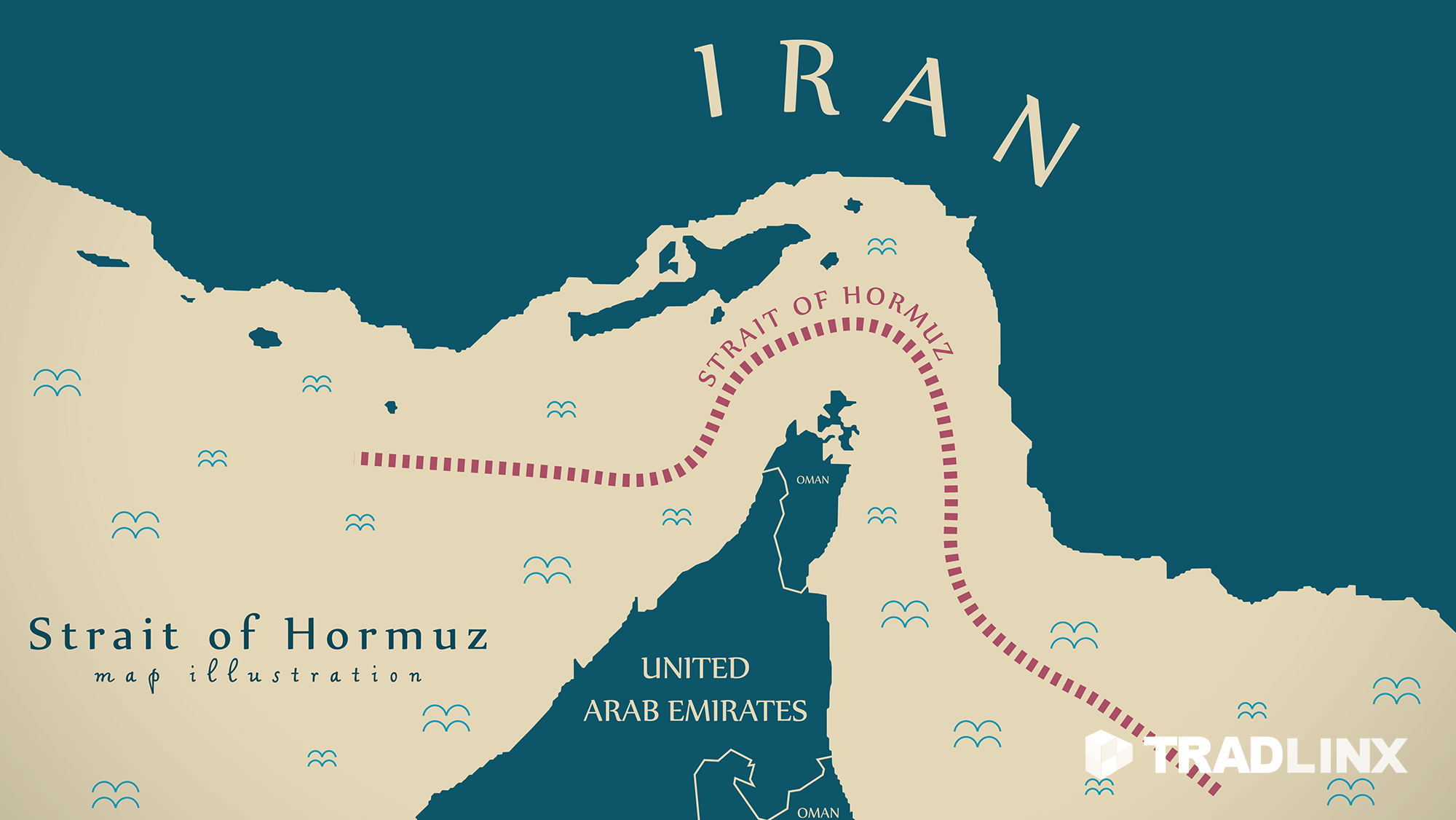
The global economy is a delicate web of "just-in-time" delivery. The Strait of Hormuz is the world's most important artery, a vein through which the lifeblood of global industry flows. When you park a fleet in the middle of that artery, the pressure rises everywhere. Oil prices don't just "fluctuate"—they jump. For a commuter in Ohio or a factory owner in Vietnam, the blockade is felt at the pump and in the electricity bill. The human element isn't just the sailor or the diplomat; it is the billions of people whose daily lives are tethered to the stability of these few miles of water.
There is a specific kind of tension that comes with this level of escalation. It’s the tension of the "tripwire." Everyone is watching to see who blinks, who deviates from the script, and who decides that the cost of peace has finally exceeded the cost of a fight.
The Islamabad talks failed because neither side could imagine a version of the future where they looked weak. Now, that lack of imagination has led to a horizon filled with warships. The diplomats have gone home. The lawyers have filed their briefs.
Now, there is only the sound of the waves against the hulls of the ships, and the heavy, expectant silence of a world waiting for the first shot that no one wants to fire, but everyone is now prepared for. The sea is a vast place to hide, but in the coming days, every inch of it will be under a microscope, and every heartbeat on those ships will be a countdown toward an uncertain dawn.