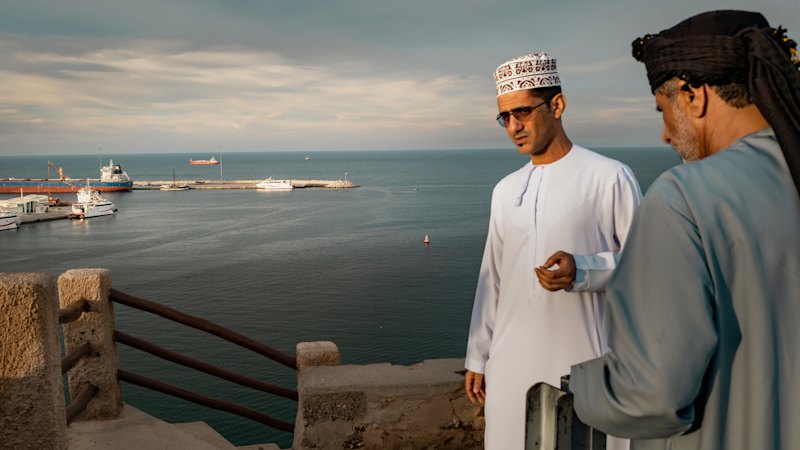
A massive fireball just lit up the horizon off the coast of Dubai and the global energy market is feeling the heat. This wasn't an accident. It wasn't a mechanical failure. An Iranian strike just slammed into a giant oil tanker in one of the world's most crowded shipping lanes. If you think this is just another regional spat, you're wrong. This is a direct response to the latest round of threats from the Trump administration. The message from Tehran is clear. If they can't export oil, nobody can.
The timing is brutal. We're seeing a high-stakes game of chicken play out in real-time. Just days after the White House promised "unprecedented consequences" for Iranian maritime aggression, the Islamic Revolutionary Guard Corps (IRGC) seemingly called the bluff. This isn't just about one ship. It’s about the 20 million barrels of oil that pass through the nearby Strait of Hormuz every single day. When a tanker burns within sight of Dubai’s luxury skyline, the "safe" bubble of global trade pops.
Why the Persian Gulf is Turning into a No-Go Zone
Shipping companies are scrambling. Right now, insurance premiums for vessels entering the Gulf are skyrocketing. Some firms are considering rerouting entirely, but there isn't exactly a convenient detour when you're hauling millions of gallons of crude from Kuwait or Saudi Arabia. This strike used what looks like a one-way attack drone, a tactic the IRGC has perfected over years of "shadow war" maneuvers.
These drones are cheap. They're hard to track. And they're incredibly effective at poking a hole in the side of a multi-million dollar vessel. The vessel hit today was sitting in a designated anchorage area. That's supposed to be a safe spot. By hitting a ship so close to the UAE’s commercial hub, Iran is proving that nowhere in the region is out of reach. They want to show that the U.S. Navy—despite its massive presence—can't protect every square inch of water.
The Trump Factor and the Pressure Cooker Strategy
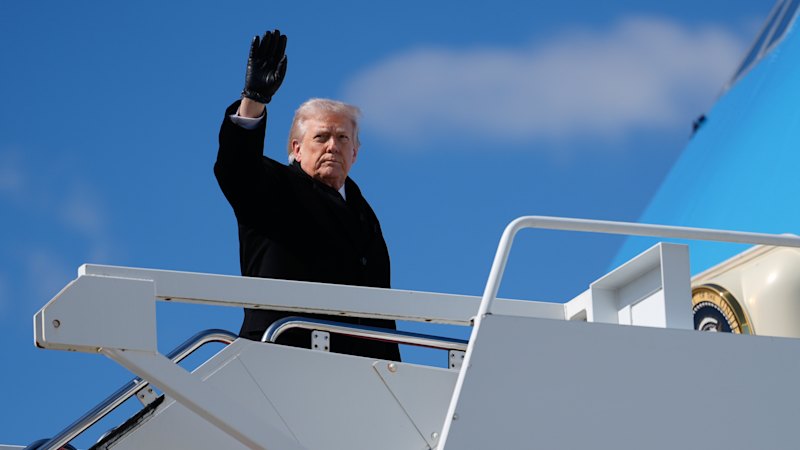
Trump’s return to the "Maximum Pressure" playbook has shifted the vibe from tense to explosive. His recent rhetoric wasn't just campaign talk. He’s been pushing for a total shutdown of Iranian oil exports to China. For the leadership in Tehran, that's an existential threat. They’re backed into a corner. When a regime feels like it has nothing left to lose, it starts breaking things.
I've talked to maritime security experts who saw this coming months ago. They argued that the more the U.S. squeezes the Iranian economy, the more likely we are to see "kinetic events" in the water. We're past the point of diplomatic warnings. We're in the retaliation phase. Trump’s team says they won’t back down. Iran says they won’t be starved out. You and I are the ones who pay for it at the gas pump.
The Technical Reality of Tanker Strikes
Modern VLCCs (Very Large Crude Carriers) are tough. They have double hulls designed to prevent spills even after a collision. But they aren't warships. They don't have Close-In Weapon Systems (CIWS) to shoot down incoming loitering munitions. A drone hitting the superstructure or the engine room can't sink the ship easily, but it can definitely disable it.
- Vulnerability at Anchor: Ships waiting to dock are sitting ducks. They aren't maneuvering.
- Detection Gaps: Low-flying drones often disappear in the "clutter" of radar near the coast.
- Psychological Impact: You don't have to sink the ship to win. You just have to make the crew too scared to sail.
What This Means for Your Wallet
Oil prices jumped 4% within an hour of the news breaking. That’s the "risk premium" in action. Traders hate uncertainty. When they see smoke off Dubai, they see a potential supply shock. If the situation escalates further—say, a full-scale blockade of the Strait—we could see prices hit levels that make 2022 look like a bargain.
Energy independence is a nice slogan, but the global market is interconnected. If Gulf oil stops flowing, the price of oil everywhere goes up. It doesn't matter if the oil was headed to India or Japan. The supply drop hits the global barrel price. We're looking at a scenario where a single drone worth $20,000 can cause billions of dollars in market fluctuations. It’s the ultimate asymmetric warfare.
The UAE is Stuck in the Middle
Dubai and Abu Dhabi have spent decades trying to brand themselves as stable, neutral business hubs. This strike is a nightmare for them. They want to maintain a working relationship with Iran while staying under the U.S. security umbrella. It’s a delicate balancing act that is currently falling apart.
The UAE military is on high alert, but they're in a tough spot. If they retaliate, they risk a direct war on their doorstep. If they do nothing, they look weak and their ports look unsafe. For a country built on trade and tourism, an "unsafe" label is a death sentence. They’re desperately calling for de-escalation, but nobody in Washington or Tehran seems to be listening.
Mistakes Ship Operators are Making Right Now
Too many operators are still relying on outdated security protocols. They think having a few armed guards on deck with rifles will stop a suicide drone. It won't. You can't shoot what you can't see until it's ten feet from the hull.
- Ignoring Electronic Warfare: Vessels need better signal jamming capabilities to disrupt drone GPS.
- Poor Communication: Some crews aren't reporting "harassment" by fast boats until it's too late.
- Predictable Routes: Sticking to the standard lanes makes you an easy target for pre-positioned assets.
If you're involved in maritime logistics, you need to stop treating this as a "low probability" event. It’s the new normal. You should be auditing your hull insurance immediately. Check your war risk clauses. Most standard policies have specific exclusions for state-sponsored attacks unless you've paid for the premium "war risk" add-on. Don't wait for a hole in your ship to find out you're not covered.
Where We Go From Here
Expect more of this. Iran has realized that the world reacts more to a burning tanker than a hundred diplomatic speeches. Trump is unlikely to tone down the threats because his base loves the "tough guy" stance. This means we're headed for a summer of volatility.
If you're an investor, look at energy and defense. If you're a consumer, prepare for higher transport costs. The era of cheap, safe shipping through the Middle East is on pause. We're watching the redrawing of geopolitical lines, and the ink is being written in crude oil and fire. Get your logistics plans in order now because the next strike might not be "just" one ship. It might be the entire lane. Stay frosty. Don't assume the status quo will hold. It’s already broken.