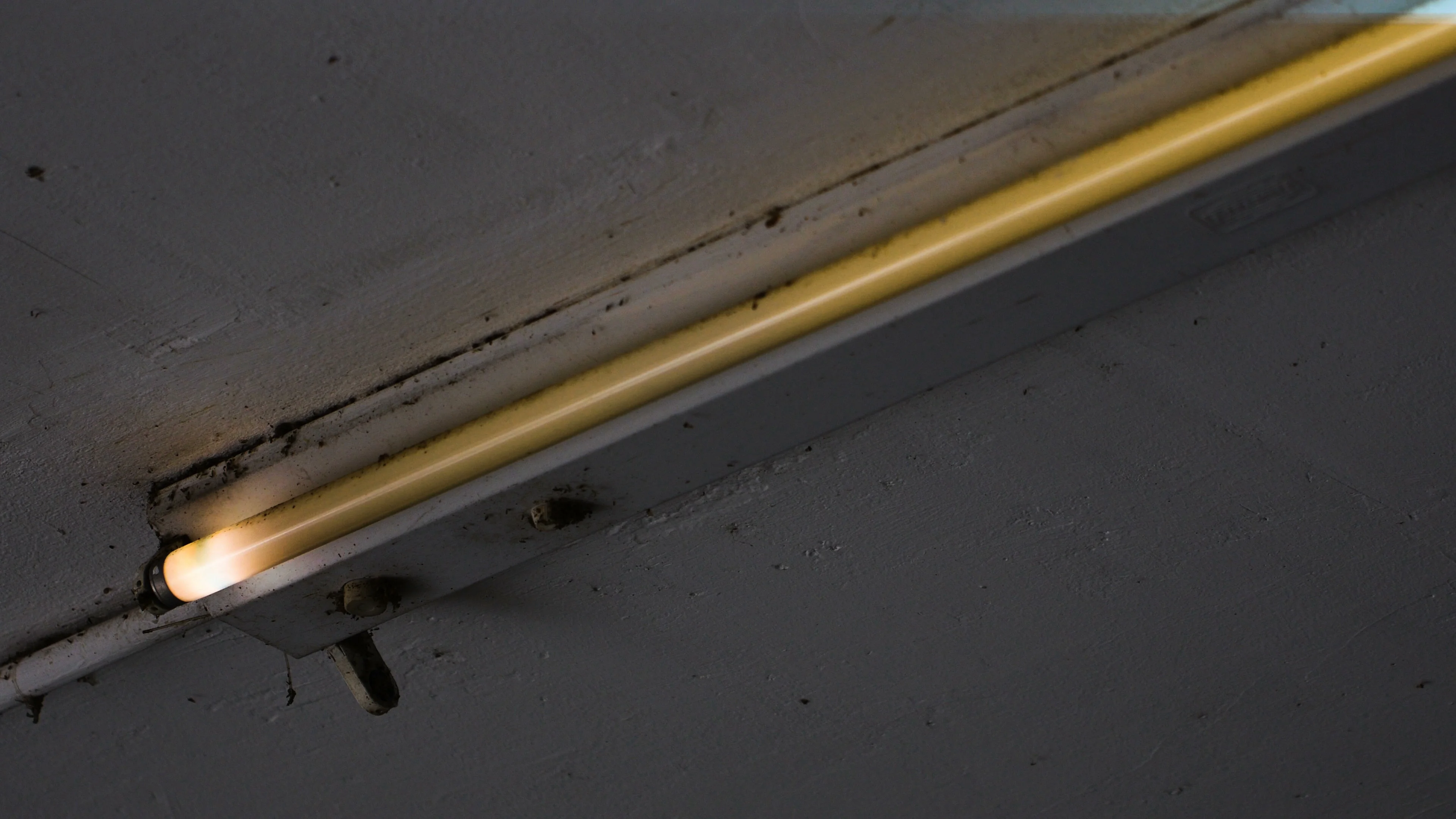
The switch clicks. The room stays dark.
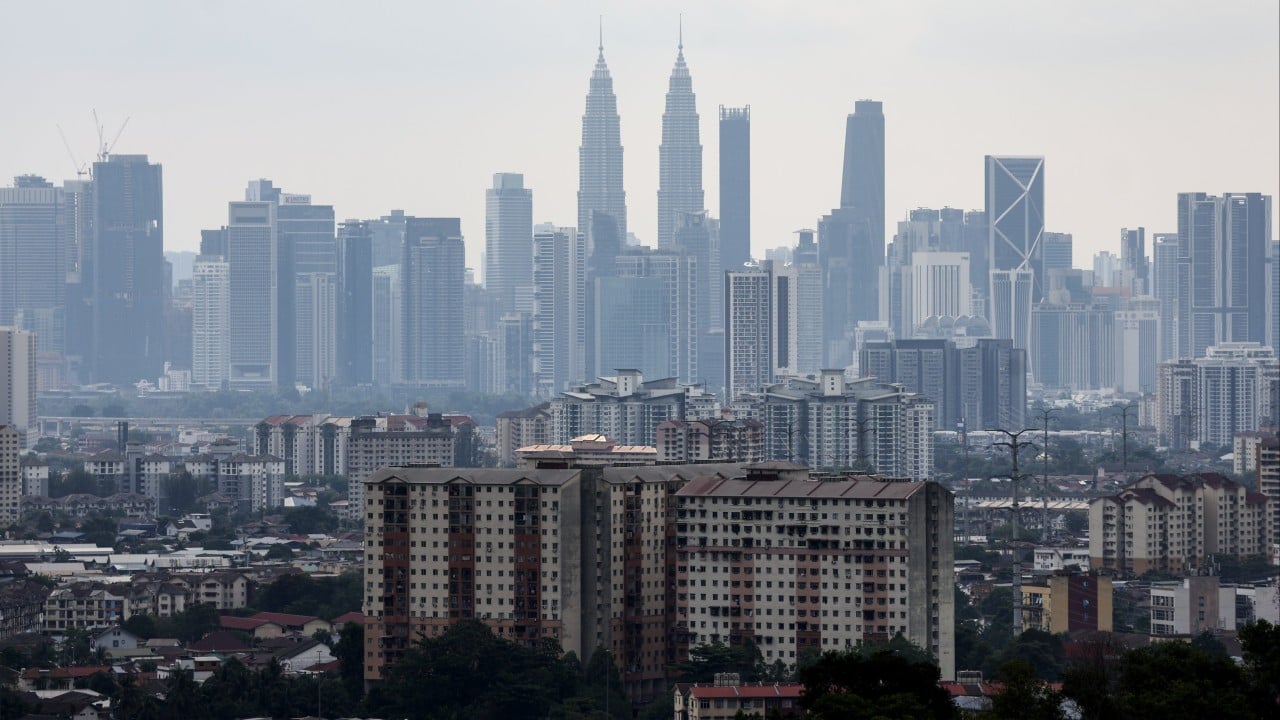
For a mother in a cramped apartment in Berlin, that click is the sound of a rising panic. For a trucker in Ohio, it is the math of a missed mortgage payment calculated at the gas pump. For a factory manager in Hanoi, it is the silence of idle machinery. We treat the global energy market like a mathematical abstraction—a series of lines on a Bloomberg terminal—but it is actually a pulse. When that pulse falters, the world shivers.
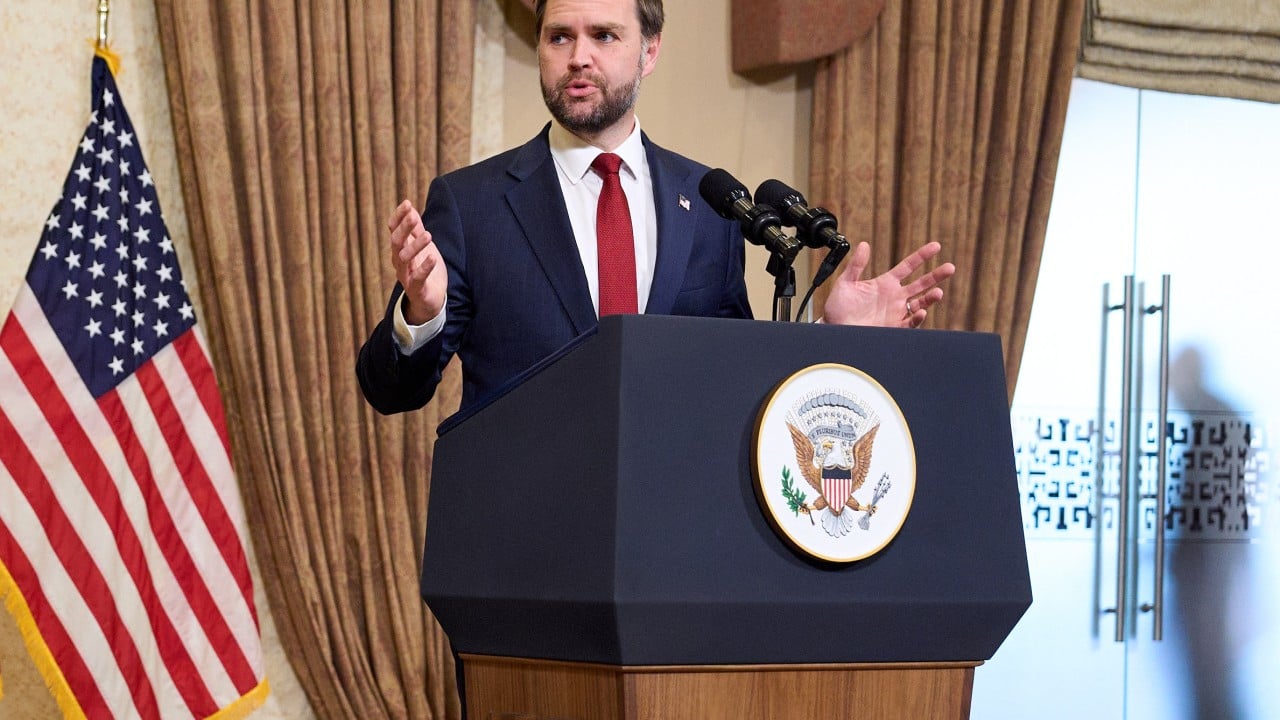
Currently, a shadow hangs over the Strait of Hormuz. Policymakers in Washington weigh the possibility of a total maritime blockade on Iranian oil. They talk in terms of "maximum pressure" and "geopolitical leverage." They use the language of the boardroom and the situation room. But they rarely talk about the guy in the cold apartment.
If the flow of Iranian crude stops, we aren't just looking at a price hike. We are looking at a cardiac arrest of the global supply chain.
The Ghost in the Machine
Iran produces roughly three million barrels of oil every day. In the grand scheme of a world that consumes nearly one hundred million barrels daily, that might seem like a manageable gap. It isn't. Oil is not a static commodity; it is a pressurized system. Think of it like a hydraulic line. If you lose even 3% of the fluid while the engine is running at full speed, the entire mechanism begins to grind, smoke, and eventually seize.
When analysts warn that a blockade would worsen the energy crisis, they are looking at the razor-thin margin of "spare capacity." There is no magic button that produces more oil overnight. Saudi Arabia and the UAE have extra barrels, but not enough to instantly soothe a market gripped by the fear of a total Persian Gulf shutdown.
Oil markets run on two things: reality and perception. The reality is a shortage of three million barrels. The perception is the terrifying "what if." What if the blockade leads to a wider conflict? What if the Strait of Hormuz—the vein through which twenty percent of the world’s oil flows—is closed entirely?
Prices wouldn't just rise. They would verticalize.
A Tale of Two Kitchens
Consider a hypothetical, yet statistically certain, reality for two families if this blockade becomes a reality.
In a suburb of Chicago, Sarah sits at her kitchen table. She is an accountant, a person who lives by the spreadsheet. She sees the news about "tensions in the Middle East" and turns the page. But two weeks later, the price of gasoline jumps eighty cents in a single morning. By the end of the month, her grocery bill has climbed by fifteen percent. Why? Because the plastic packaging on her cereal is made from petroleum. The truck that delivered the milk runs on diesel. The fertilizers used for the wheat are derived from natural gas.
Sarah isn't part of a "geopolitical strategy." She is just a woman who suddenly cannot afford her daughter's soccer cleats because the global energy pulse has weakened.
Now, look at a kitchen in New Delhi. Rajesh runs a small metal-stamping business. He relies on a steady, affordable power grid. When the global price of oil spikes, India—a massive importer—feels the squeeze instantly. The government, unable to subsidize the surge, allows prices to float. Rajesh’s electricity costs double. He has to choose between firing three employees or closing his doors.
These aren't "externalities." They are the stakes.
The Myth of the Island
There is a persistent, dangerous idea in modern politics that some nations are islands—that the United States or Europe can "decouple" from the chaos of the Middle East. It is a fantasy. We are bound by a nervous system of tankers, pipelines, and credit swaps.
When you block Iranian oil, you aren't just punishing a government in Tehran. You are placing a tax on every human being who uses a smartphone, drives a car, or eats food grown on a commercial farm. The "energy crisis" isn't a future event we are trying to avoid. We are already in it. We are living through a period of fragile transition, where green energy isn't yet ready to carry the full load, and fossil fuel infrastructure is aging and under-invested.
Pushing a major producer out of that ecosystem is like pulling a load-bearing beam out of a house that is already leaning.
Critics will argue that the moral cost of allowing Iranian oil to flow is too high. They point to nuclear ambitions and regional proxy wars. These are heavy, real concerns. But the counter-argument is rarely framed in human terms: Is the blockade worth the potential collapse of emerging economies? Is it worth a global recession that could plunge millions back into extreme poverty?
The Invisible Fleet
There is a surreal element to this struggle. Even now, under heavy sanctions, Iran moves its oil through what is known as the "Ghost Fleet." These are aging tankers, often flying flags of convenience, switching off their transponders and transferring oil in the dead of night in the middle of the ocean.
It is a dangerous, high-stakes game of hide-and-seek. A formal blockade would mean the US Navy physically intercepting these vessels. Imagine the tension on the bridge of a destroyer. Imagine the finger on the trigger. One mistake, one miscommunication, and a "blockade" becomes a "war."
The environmental risks alone are staggering. These ghost ships are often poorly maintained. A skirmish in the Gulf wouldn't just spike oil prices; it could lead to an ecological catastrophe in one of the world's most vital waterways. If a million barrels of crude spill because of a kinetic interception, the energy crisis becomes a multi-generational environmental tragedy.
The Gravity of the Barrel
We have become detached from the physical reality of our lives. We click "order" on an app and expect a package to arrive. We flip a switch and expect light. We forget that all of this is underpinned by the movement of heavy, viscous liquid from one side of the planet to the other.
A blockade is an act of friction. In a world that requires high-speed, low-friction trade to survive, it is a sand-thrower.
The analysts are right, of course. The numbers don't lie. A blockade would send Brent crude soaring toward $150 or $200 a barrel. It would trigger inflation that makes our current struggles look like a warm-up act. It would destabilize governments from Africa to Southeast Asia.
But the numbers are only the skin of the problem. Beneath the skin is the bone and muscle of human effort. Every dollar added to the price of a barrel is an hour of labor stolen from a worker. It is a meal skipped. It is a dream deferred because the cost of "being" has become too expensive.
We are told that these maneuvers are necessary for "security." Yet, there is a profound insecurity in a world where the basic ingredients of life are used as weapons of war. True security isn't found in the ability to choke an enemy's economy; it is found in the resilience and stability of the global whole.
The sun sets over the Persian Gulf, casting a long, golden light over the tankers lined up like beads on a string. Each one carries the literal fire that keeps our world running. To cut that string is to bet that we can survive the dark. It is a bet made by people in bright rooms, far away from the cold apartments and the silent factories.
The switch clicks. We are all waiting to see if the light comes on.