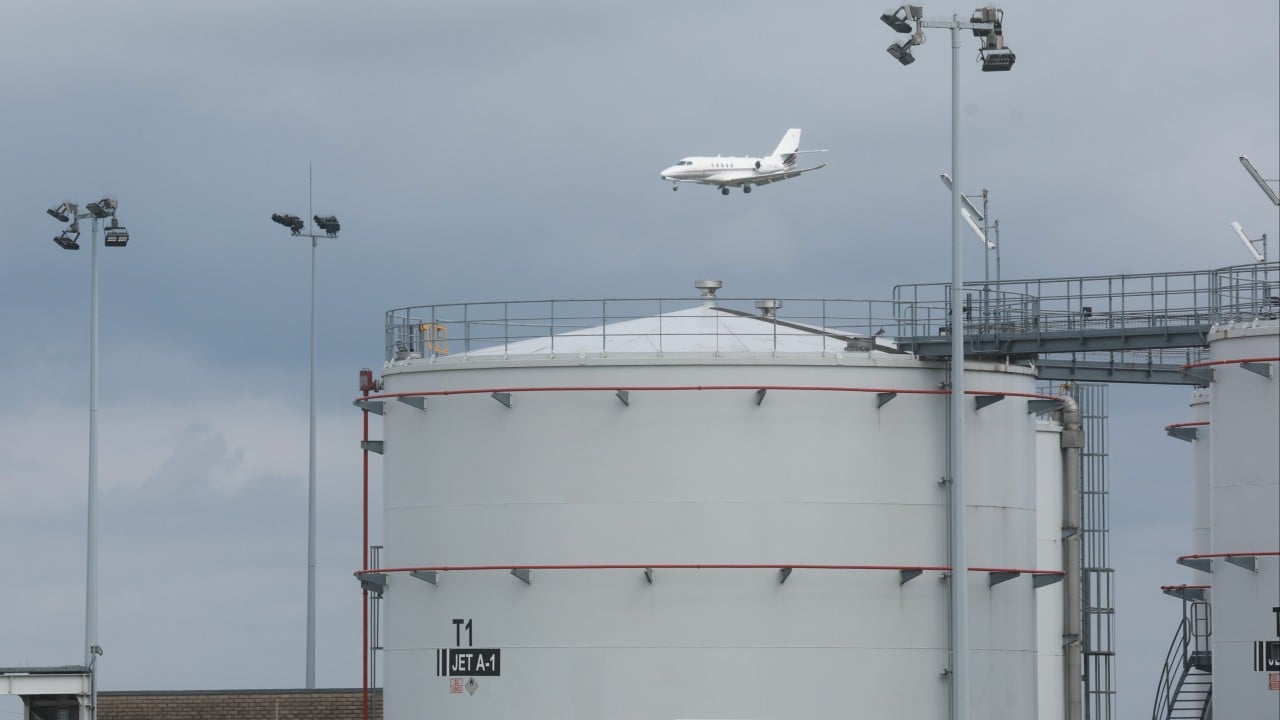
Europe’s aviation industry is sweating. If you’ve got a summer flight booked, you might want to keep a close eye on your inbox for delay notifications. The continent is staring down a massive shortage of jet fuel, and it isn't just a minor supply chain hiccup. It’s a structural crisis that has been brewing for months, driven by a messy combination of geopolitical shifts, refinery closures, and logistics that just can’t keep up with how much we want to travel.
You’re probably wondering if your flight will actually take off. The short answer is yes, most likely, but it’s going to be expensive and potentially chaotic. Airlines are already scrambling to secure supplies, and in the world of aviation, when fuel gets tight, schedules start to crumble.
The Reality Of The European Fuel Crunch
The numbers tell a grim story. Europe has been a net importer of jet fuel for a long time, but the safety net is fraying. We’ve seen a steady decline in local refining capacity. European refineries are old. They’re expensive to run. Many have been converted to biofuel plants or simply shut down because they couldn't compete with the massive, modern complexes in the Middle East and Asia.
Then there’s the Russia factor. Before the invasion of Ukraine, Russia was a primary source of vacuum gas oil and finished distillates for the European market. Cutting that cord was necessary for security, but it left a gaping hole in the supply chain. We’re now hauling fuel from much further away. Ships are traveling from Kuwait, Saudi Arabia, and India. That takes time. It adds cost. It makes the entire system incredibly fragile. If one tanker gets stuck or a storm hits the Atlantic, the ripples are felt at the pump in Frankfurt or Heathrow almost instantly.
The International Energy Agency (IEA) has flagged that while global oil demand is leveling off in some sectors, aviation is the outlier. It’s booming. We’re seeing record passenger numbers, yet the infrastructure to feed those engines is shrinking. It’s a classic supply-and-demand trap.
Logistics Are The Real Bottleneck
It’s easy to blame "high prices," but the real villain here is logistics. Getting fuel from a massive tanker in Rotterdam to an airport in central Europe is a nightmare. Europe relies heavily on its river systems—specifically the Rhine—to move fuel via barges.
Last year, and again this spring, we’ve seen water levels fluctuate wildly. When the Rhine gets too low, barges can't carry full loads. Sometimes they can’t move at all. You can’t just flip a switch and move all that volume to rail or road. There aren't enough tank cars or drivers. I’ve talked to logistics managers who say they’re playing a daily game of Tetris just to keep regional hubs like Zurich or Munich stocked.
Why Tankering Is A Dirty Little Secret
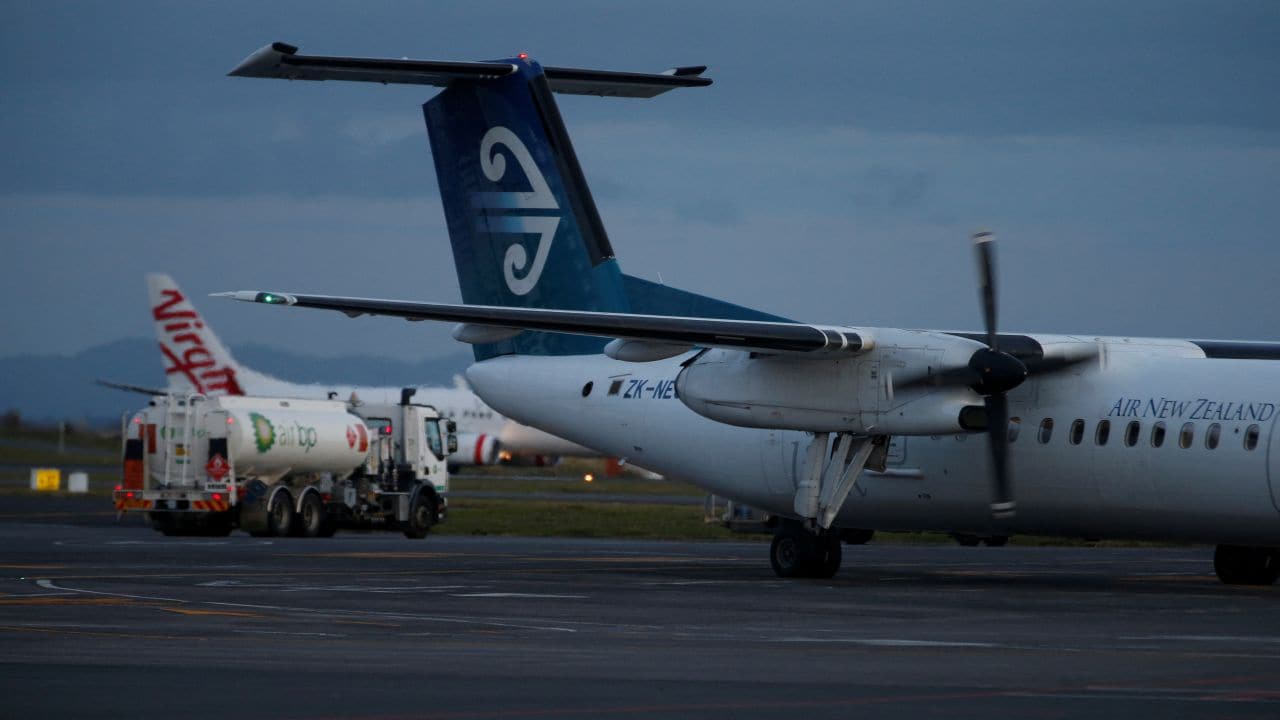
Airlines have a trick for this. It’s called "fuel tankering." Basically, a plane fills up to the brim in a place where fuel is cheap and plentiful—say, Dubai or New York—and carries enough extra weight to fly the return leg without refueling in Europe.
It sounds clever. It’s also incredibly wasteful. Carrying that extra weight burns more fuel. It’s bad for the environment and bad for the aircraft's wear and tear. But for an airline executive looking at a dry pump in Dublin, it’s the only way to guarantee the flight happens. If you see your plane taking a longer-than-usual takeoff roll, there’s a decent chance it’s carrying a massive "reserve" in its wings because the pilot doesn't trust the supply at the destination.
What This Means For Your Wallet
Don't expect cheap tickets. Fuel typically makes up about 25% to 30% of an airline’s operating costs. When supply is tight, those costs don't just stay high; they become volatile. Airlines hate volatility. To protect themselves, they raise base fares or add "fuel surcharges" that never seem to go away.
We’re also seeing a shift in how airlines plan their routes. They’re prioritizing high-margin long-haul flights over short-regional hops. If a carrier only has a limited amount of fuel at a specific hub, they’re going to give it to the Boeing 787 headed to Los Angeles, not the puddle-jumper going to a secondary city. This is where the "flight cancellations" fear becomes very real for people living in smaller markets.
The Sustainable Aviation Fuel Problem
You’ll hear a lot of talk about Sustainable Aviation Fuel (SAF) as the savior. Europe is leading the charge on mandates, requiring a certain percentage of fuel to be "green" by 2030. It’s a noble goal. It’s also currently a pipe dream in terms of volume.
SAF production is a tiny fraction of what’s needed. It’s also three to five times more expensive than traditional kerosene. By forcing airlines to use more expensive, scarce fuel, the EU is inadvertently tightening the supply squeeze. We aren't building SAF plants fast enough to replace the fossil fuel refineries we’re closing. It’s a transition period that feels more like a freefall for the industry’s balance sheets.
How To Protect Your Travel Plans
I’m not saying you should cancel your vacation. That’s dramatic. But you need to be smarter about how you book. The days of "set it and forget it" travel are over for now.
First, avoid the last flight of the day. If there’s a fuel issue or a delay earlier in the chain, that last flight is the first one to get axed. Aim for morning departures. The plane is usually already there, and the fuel is already in the ground.
Second, stick to major hubs. Large airports like Paris-Charles de Gaulle or Amsterdam Schiphol have much better-integrated pipeline connections. They’re the last ones to run dry. Smaller, regional airports that rely on truck deliveries are far more vulnerable to local supply shocks.
Third, check the "operated by" line on your ticket. Major flag carriers usually have better long-term fuel contracts than ultra-low-cost carriers that buy on the spot market. If prices spike or supply dips, the big players get served first.
Keep your airline's app updated and notifications turned on. If the industry starts seeing "fuel-related disruptions," they usually know a few hours in advance. Being the first person to get the notification means you’re the first person in line to rebook before everyone else catches on.
The jet fuel crisis isn't going away by the end of the month. This is the new normal for European aviation. We’re paying the price for a decade of underinvestment in refining and a sudden, sharp pivot away from our old energy partners. Pack some extra patience along with your sunscreen. You’re going to need it.