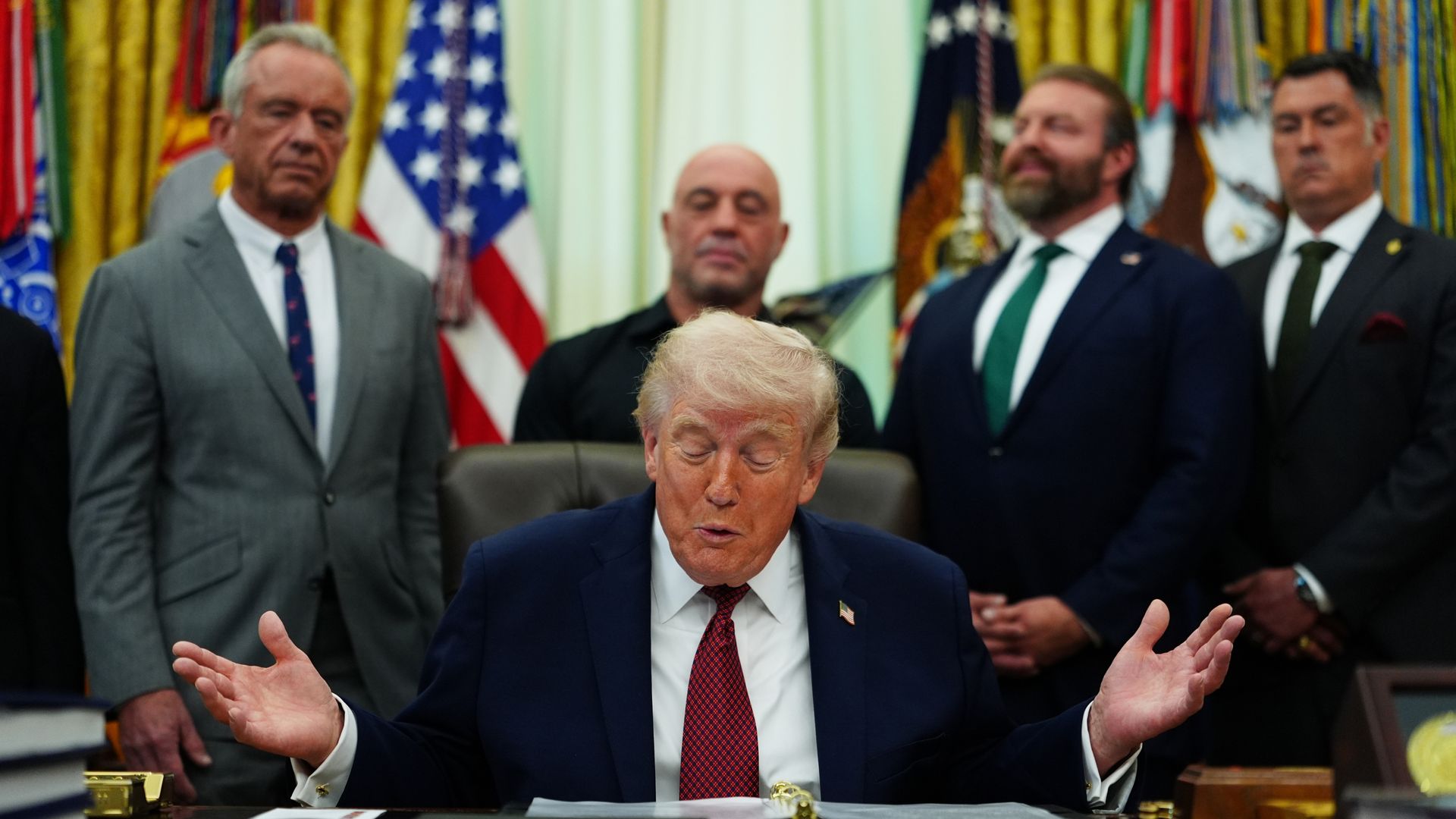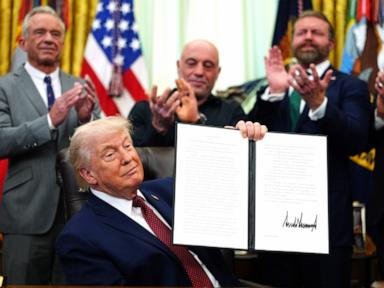
The federal government’s long-standing war on psychedelic medicine just hit a massive roadblock—and it came from the Oval Office. On April 18, 2026, President Trump signed an executive order that doesn’t just "study" the problem; it actively pushes to get drugs like psilocybin and ibogaine into the hands of people who are suffering. If you’ve been following the mental health crisis in America, you know the current system is failing. Veterans are killing themselves at staggering rates, and standard antidepressants often feel like a band-aid on a gunshot wound.
This move is a direct response to that failure. By directing the FDA and DEA to create a clear pathway for access, the administration is basically saying that the old-school "Just Say No" era is over when it comes to clinical treatment. Honestly, it’s about time. For years, patients have had to flee to Mexico or Costa Rica to find ibogaine clinics because the US government wouldn't let them try a treatment that could save their lives. Don't miss our recent coverage on this related article.
The big shift in federal policy
The meat of this order is about speed. Trump isn't waiting for the usual ten-year research cycle. He’s leveraging the Right to Try Act—a piece of legislation from his first term—to include psychedelic compounds. This means if you have a life-threatening or serious condition, and you’ve tried everything else, you don't have to wait for final FDA approval to access these therapies in a controlled setting.
It’s a massive win for groups that have been screaming for change. Joe Rogan and former Texas Governor Rick Perry have been in the President’s ear about this, and it shows. The order specifically mentions ibogaine, which is a bit of a curveball. Ibogaine is powerful but comes with real heart risks. Most politicians won't touch it. By name-checking it, Trump is signaling that the administration is willing to look at the "heavy hitters" of the psychedelic world if they can fix the PTSD and addiction issues that are gutting our communities. To read more about the history here, National Institutes of Health offers an in-depth summary.
What happens to the FDA pipeline now
Don't expect your local pharmacy to stock "magic mushrooms" by next week. The FDA still has a job to do, but their boss just told them to move faster. Commissioner Marty Makary announced the agency will start issuing "National Priority Vouchers" for psychedelic drugs that have already shown promise. Think of these like a "fast pass" at Disney World. They can cut down a review process that usually takes a year into just a few weeks.
We’re likely looking at three specific drugs getting this treatment. While the White House hasn’t explicitly named all three, industry insiders point to:
- COMP360 (Psilocybin): Currently in late-stage trials for treatment-resistant depression.
- MM120 (LSD-based): Being looked at for generalized anxiety disorder.
- Ibogaine compounds: Specifically targeted for opioid addiction and veteran-related brain injuries.
Why this matters for veterans and mental health
Let’s be real about why this is happening. This isn't about recreational use. It’s about the 17 to 22 veterans who die by suicide every single day. The VA has been slow to move on this, but this executive order forces their hand. It mandates collaboration between the VA and the private sector to get veterans into clinical trials immediately.
I’ve talked to guys who went to Mexico for ibogaine treatment because they were at the end of their rope. They describe it as "ten years of therapy in one night." It’s intense, it’s messy, and it’s not for everyone. But for someone who has tried every SSRI on the market and still can't get out of bed, having a legal, supervised option in the States is a total shift.
The money behind the movement
The administration isn't just signing papers; they’re putting up $50 million through ARPA-H to match state-level investments. Texas already set the blueprint here last year by funding its own ibogaine research. Now, the federal government is saying they’ll match that energy. It gives Republican governors the political cover they need to support "drug" research without looking soft on crime.
Addressing the safety elephant in the room
It’s not all sunshine and rainbows. Critics like Kevin Sabet from Smart Approaches to Marijuana think we’re moving too fast. He’s not entirely wrong to be cautious. Ibogaine, specifically, has been linked to heart arrhythmias and even death in unmonitored settings. That’s why the "supervised" part of this order is so important.
This isn't a "legalize it and let people do it in their living rooms" situation. The order is very specific about controlled therapeutic settings. You’re going to need a doctor, a heart monitor, and a trained therapist. If we skip those steps, one high-profile tragedy could shut the whole movement down for another thirty years.
What you should do next
If you or someone you love is struggling and you think these treatments might help, don't go looking for a dealer. That’s how people get hurt. Instead, start looking at the Right to Try pathways.
- Talk to a specialist: Most general practitioners aren't up to speed on this yet. Look for psychiatrists who specialize in "interventional psychiatry."
- Check clinicaltrials.gov: With the new $50 million influx, expect a surge in new trial openings.
- Monitor the FDA Priority Vouchers: Keep an eye on the news over the next month. Once those vouchers are issued, we’ll know exactly which drugs are on the one-yard line for approval.
This isn't a fringe topic anymore. It’s mainstream policy. The wall between "illegal narcotics" and "breakthrough medicine" is finally crumbling. If the results are even half as good as the early data suggests, we’re looking at the biggest advancement in psychiatry since the 1950s.