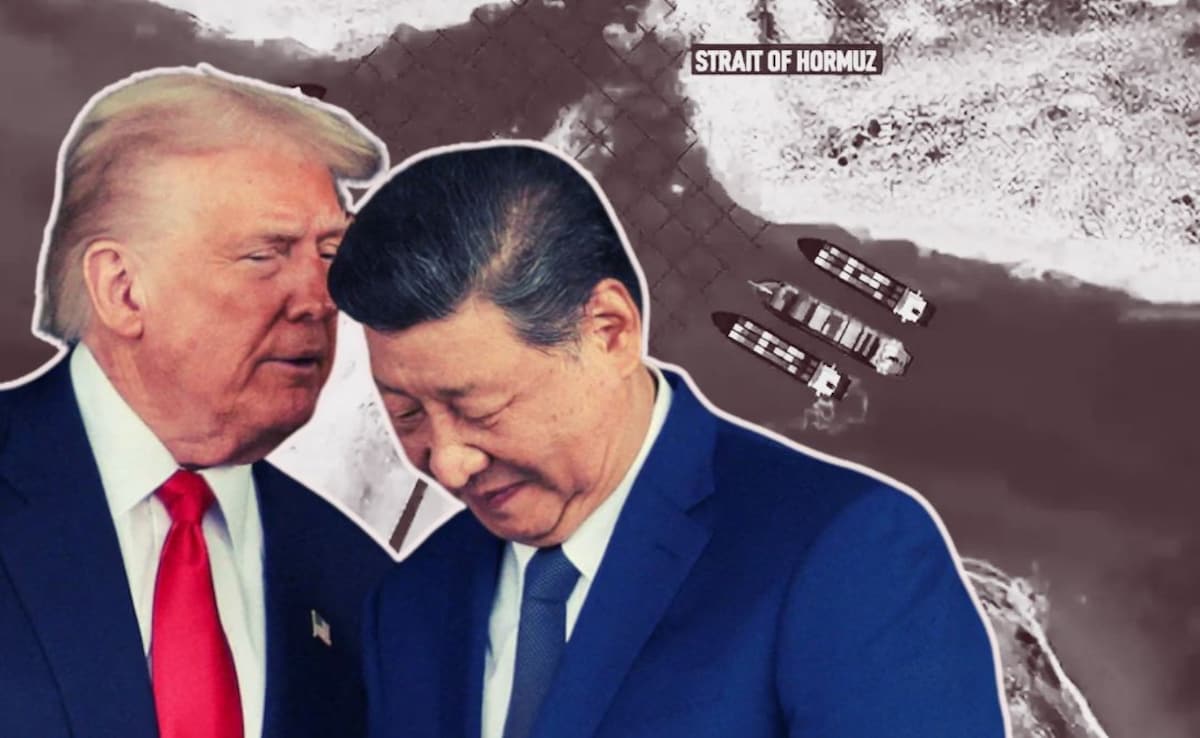
Donald Trump just flipped the script on decades of American foreign policy with a single social media post. For years, the U.S. Navy acted as the world's unpaid security guard in the Middle East. We spent billions to keep the oil flowing through the Strait of Hormuz, a narrow waterway where one wrong move can send global energy prices into a tailspin. Now, Trump's basically saying he's done with the "favor."
In a recent update that's sent shockwaves through diplomatic circles, Trump claimed that China is "very happy" because he's "permanently opening" the Strait. He's framing this as a massive win—a deal where Beijing stops sending weapons to Iran in exchange for a stable shipping lane. It sounds like a grand bargain, but if you look closer, it's actually a brutal lesson in burden-sharing.
The End of the Free Ride
For a long time, the U.S. played a game that didn't make much sense on paper. We protected the Strait so that countries like China, Japan, and South Korea could get their oil safely. Meanwhile, the U.S. became a net exporter of energy. We don't actually need that oil as much as they do. Trump's logic is blunt: why are American taxpayers footing the bill to protect China’s energy supply?
He’s calling out the "lack of courage" from other nations to secure these waters themselves. It's a classic Trump move—transactional, loud, and designed to make allies (and rivals) sweat. By claiming he's doing this as a "favor" to the world, he's setting the stage to demand something in return. This isn't just about ships; it's about leverage.
China's Deep Dependency
China is the world's largest importer of crude. Roughly half of their oil comes from the Middle East, and a huge chunk of that has to squeeze through the Strait of Hormuz. If that door slams shut, China’s economy doesn't just slow down—it breaks.
Trump knows this. By "opening" the Strait but making it clear the U.S. isn't the permanent janitor anymore, he’s forcing Beijing to the table. The reported agreement for China to stop arming Iran is the first major concession.
- Iran loses a weapons supplier.
- China keeps its factories running.
- The U.S. stops being the world’s "sucker."
At least, that’s the version of the story Trump is selling. But there’s a catch. If the U.S. pulls back its naval presence, someone else has to fill the vacuum. If China starts patrolling the Strait with its own warships to protect its tankers, the balance of power in the Middle East changes forever.
The Oil Is Heading to America
One of the most interesting parts of this shift is where the ships are actually going. Trump pointed out that empty tankers are now heading to the U.S. to "load up" on American oil. This is a massive geopolitical pivot. We aren't just the "protector" anymore; we’re the supplier.
By making the Middle East feel "unstable" or "expensive" to police, the U.S. makes its own energy exports look a lot more attractive. It’s a double-win for the "America First" agenda. We save money on military deployments and make money on oil exports.
What This Means for Your Wallet
You’ve probably seen the volatility at the gas pump lately. The Strait of Hormuz handles about 20% of the world's oil consumption. When Trump threatens a blockade or demands that allies send their own warships, the markets freak out.
- Higher shipping insurance: Every time a tanker gets harassed in the Gulf, insurance premiums skyrocket.
- Supply chain delays: If ships have to take the long way around Africa, everything gets more expensive.
- Energy Independence: This pressure is a massive incentive for the U.S. to keep ramping up domestic production.
Why the "Big Fat Hug" Matters
Trump’s mention of a "big, fat hug" from President Xi might sound like typical hyperbole, but it signals a preference for personal diplomacy over rigid treaties. He’s betting that he can manage the China-Iran relationship through direct deals rather than complex international frameworks like the 2015 nuclear deal, which he’s consistently slammed.
However, the risk is high. If China doesn't hold up its end of the bargain—if they keep covertly supporting Tehran—Trump has already threatened "severe economic sanctions" and 50% tariffs. He’s basically holding a carrot in one hand and a massive trade-war stick in the other.
The Reality Check
Don't expect the U.S. Navy to vanish tomorrow. We still have the Fifth Fleet stationed in Bahrain for a reason. But the era of the "unconditional guarantee" is over. Whether it's NATO allies in Europe or trade partners in Asia, the message is the same: pay up or show up.
If you’re watching this play out, don’t just look at the tweets. Watch the ship tracking data. If you see fewer U.S. destroyers and more Chinese frigates in the Gulf of Oman, you’re witnessing the literal changing of the guard.
Stop waiting for a "return to normal" in Middle Eastern diplomacy. The new normal is transactional, and the U.S. just handed the bill to Beijing. If you're invested in energy markets or international trade, start hedging for a world where the U.S. isn't the primary guarantor of "freedom of navigation" in the Persian Gulf. Keep a close eye on the next round of U.S.-China trade talks, as that's where the real price of an "open" Strait will be negotiated.