The Sunday announcement by President Donald Trump regarding a potential diplomatic breakthrough with Tehran by Monday—set against a backdrop of active kinetic operations and a looming Tuesday deadline to reopen the Strait of Hormuz—represents more than mere political signaling. It is the application of a high-stakes "Maximum Pressure 2.0" framework that utilizes infrastructure degradation as a primary negotiating lever. To analyze the viability of a deal by Monday, we must deconstruct the current geopolitical friction into three functional pillars: kinetic leverage, economic choke points, and the diplomatic immunity mechanism.
The Kinetic Cost Function: Degradation as Negotiation
Unlike previous diplomatic cycles characterized by "strategic patience," the current environment is defined by a direct correlation between Iranian non-compliance and immediate infrastructure attrition. The administration has moved beyond targeting proxy networks to a strategy of Core Asset Attrition. For an alternative look, consider: this related article.
The "Monday Deal" window is mathematically tied to the Tuesday 8:00 P.M. ET deadline. The United States has established a clear cost function for Tehran:
- Immediate Variable Cost: Continued strikes on regional military assets and drone launch sites, which currently operate at approximately 50% capacity due to February and March sorties.
- Terminal Fixed Cost: The destruction of civilian power plants and bridges—the "Hell" scenario—designed to trigger internal state collapse by severing domestic logistics and energy security.
This binary choice—diplomatic surrender or the liquidation of national infrastructure—seeks to shorten the traditional "long-game" Persian negotiating style. By setting the deadline within a 24-hour window of the announcement, the administration is attempting to bypass the Iranian bureaucratic layer and force a decision from the Supreme Leader’s office under conditions of extreme time-decay. Similar analysis on this matter has been published by Reuters.
The Strait of Hormuz Choke Point: Quantifying the Global Bottleneck
The demand to reopen the Strait of Hormuz is not merely a regional security concern but a critical intervention in global energy markets. The closure has already forced a reconfiguration of global supply chains, characterized by:
- Increased Freight Ton-Miles: Ships rerouting around the Cape of Good Hope, adding 10-14 days to transit times between the Persian Gulf and European ports.
- Insurance Risk Premiums: A 300-500% increase in War Risk insurance for tankers remaining in the region, effectively creating a "shadow embargo" even for non-sanctioned oil.
- Inventory Depletion: A sustained drawdown of global SPR (Strategic Petroleum Reserves) to offset the 20-25% of global oil consumption typically transiting the Strait.
The "Monday Deal" is positioned as the only mechanism to prevent these temporary market distortions from becoming permanent structural shifts. The strategic logic assumes that the Iranian regime’s survival is inextricably linked to its ability to eventually resume oil exports, an impossibility if the United States executes its threat to "take over the oil" or permanently disable the loading terminals at Kharg Island.
The "Immunity from Death" Protocol: Tactical Diplomacy in a Combat Zone
A critical, often overlooked component of the President’s Sunday statement is the granting of "immunity from death" to Iranian negotiators. In a clinical sense, this is the establishment of a Protected Communication Channel within an active theater of war.
This mechanism serves two strategic purposes:
- Information Symmetry: It ensures that the Iranian leadership receives the exact terms of the "Monday Deal" directly from U.S. envoys (Steve Witkoff and Jared Kushner) rather than through fragmented intelligence reports or third-party mediators who may soften the ultimatum.
- De-escalation Off-Ramp: By providing physical security to the negotiators, the U.S. signals that it distinguishes between the state apparatus (the target of kinetic strikes) and the diplomatic conduit (the vehicle for surrender).
The use of Turkish, Pakistani, and Egyptian mediators—supplemented by direct digital communication with Foreign Minister Abbas Araghchi—suggests a multi-vector approach. This reduces the risk of a single-point failure in the communication chain, which is essential when the decision-making window is less than 48 hours.
Structural Constraints and Hypothesis of Failure
Despite the President’s optimism, several structural bottlenecks may prevent a Monday resolution. The most significant is the Verification Gap. Even if a verbal agreement is reached, the technical requirements for reopening the Strait and verifying the cessation of enrichment activities cannot be executed in a single day.
- The Credibility Trap: Tehran may view the Tuesday deadline as a bluff, citing previous deadline extensions in March.
- The Command-and-Control Lag: The degradation of Iranian communications infrastructure by U.S.-Israeli strikes may hinder the regime's ability to issue stand-down orders to IRGC naval units in the Strait by Monday night.
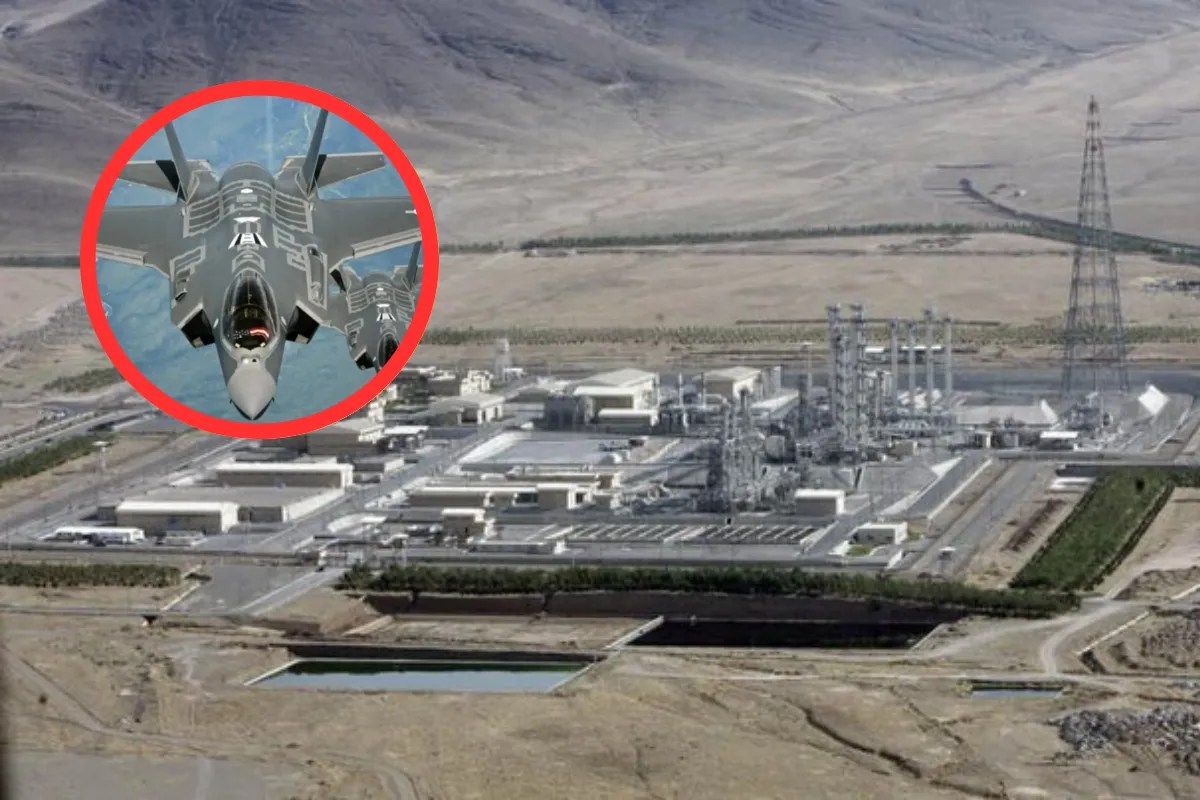
- The Nuclear Sunk Cost: Having endured significant strikes on the Bushehr facility and other sites, the regime may conclude that the cost of surrender (losing the nuclear deterrent entirely) outweighs the cost of infrastructure loss.
The strategic play here is not a return to the 2015 JCPOA framework, but a "Grand Bargain" or total capitulation model. If a deal is signed on Monday, it will likely involve the immediate physical removal of enriched uranium stockpiles in exchange for the suspension of the Tuesday strike package. If the deadline passes without a signature, the transition from "Maximum Pressure" to "Infrastructure Liquidation" becomes the new baseline for U.S. Middle East policy. Operators and market participants should position for extreme volatility between 6:00 P.M. Monday and the Tuesday evening deadline, as this window represents the highest probability of either a total cessation of hostilities or a significant escalation in the kinetic campaign.