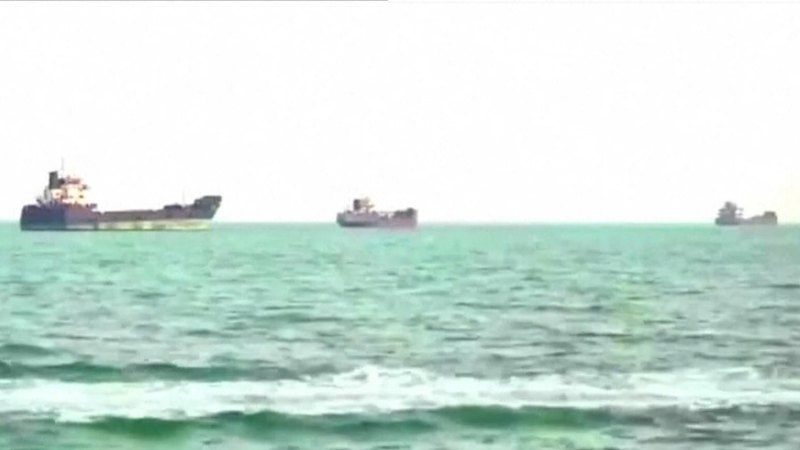
The headlines are screaming again. Tankers took fire, insurance premiums spiked, and the usual chorus of pundits is predicting a global economic heart attack because of a "closure" in the Strait of Hormuz.
They are wrong. They are lazily, dangerously wrong.
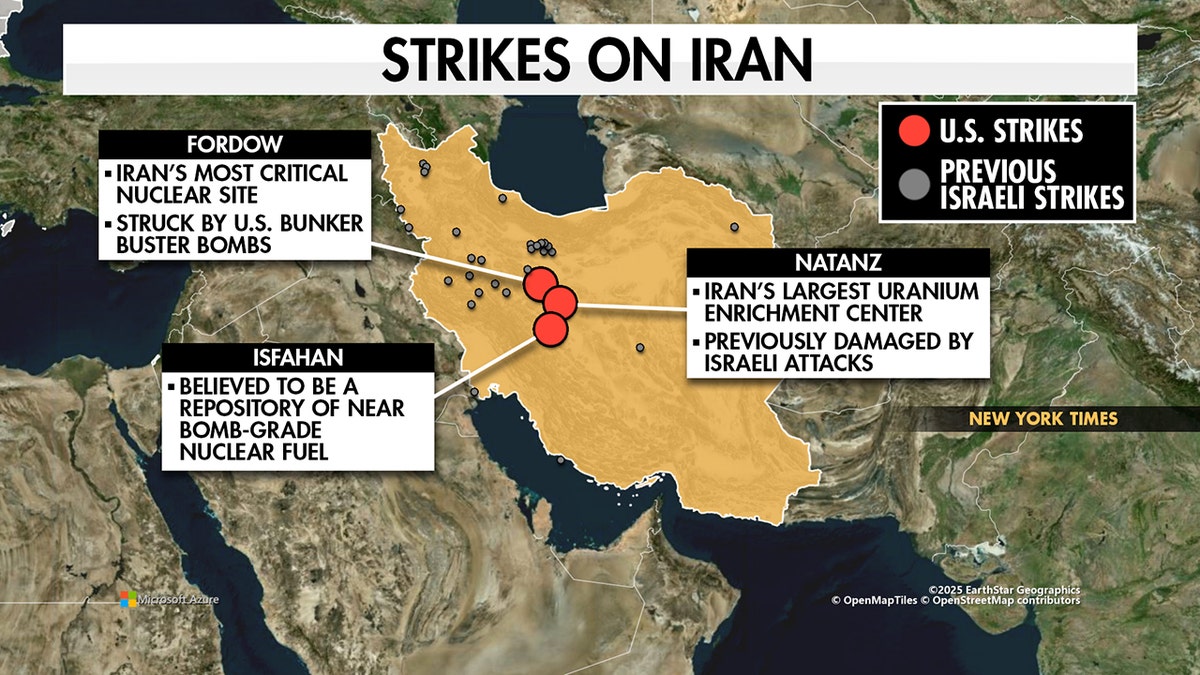
Every time a kinetic event occurs in this twenty-one-mile-wide choke point, the media treats it like the end of the industrial age. We see the same grainy maps, the same terrified charts of Brent Crude, and the same tired analysis about how 20% of the world’s oil is "trapped."
It isn’t.
The Strait of Hormuz cannot be "closed" in the way a door is closed. It is a persistent operational friction, not a terminal blockage. If you want to understand why the market isn't actually panicking—despite the frantic ticker tape—you have to stop looking at the Strait as a geographical bottleneck and start looking at it as a pricing mechanism for risk.
The Myth of the Physical Blockade
The most common misconception is that a few sunken ships or a row of mines can "shut down" the Strait. This is a naval fantasy.
The Strait of Hormuz is deep, wide, and constantly swept. To actually stop traffic, an aggressor would need to maintain total sea and air command against a combined international fleet. History shows us the reality: during the "Tanker War" of the 1980s, over 500 ships were attacked. Global oil trade did not stop. It got expensive. It got complicated. But the crude kept moving.
I have sat in boardrooms where executives agonize over "choke point risk" while ignoring the fact that global supply chains are far more elastic than they were in 1973. We aren't dealing with a static system. When the Strait gets "hot," the world doesn't just sit in the dark; it reroutes, swaps, and dips into strategic reserves.
The Crude Reality of Pipelines and Redundancy
The "lazy consensus" ignores the massive infrastructure built specifically to bypass this 21-mile stretch of water.
- The Habshan–Fujairah Pipeline: The UAE can move 1.5 million barrels per day directly to the Gulf of Oman, completely bypassing the Strait.
- The East-West Pipeline (Petroline): Saudi Arabia can shift 5 million barrels per day to the Red Sea.
- The Iraq-Turkey Pipeline: While politically volatile, the capacity to move crude north remains a constant valve.
When you add up the actual bypass capacity, the "20% of world oil" figure starts to look like a ghost story told to frighten retail investors. Is it a massive amount of oil? Yes. Is it all at risk simultaneously? No.
The real story isn't the physical passage of ships; it's the War Risk Surcharges. We aren't facing a supply crisis; we are facing an accounting crisis. The oil is there. The ships are there. The insurance companies just want their pound of flesh before the anchor drops.
Why High Oil Prices are the Cure for High Oil Prices
The contrarian truth that no one wants to admit is that a "closed" Strait is the best thing that ever happened to North American shale and Brazilian offshore projects.
Every time the Strait of Hormuz flickers, the "Forward Curve" for oil shifts. It justifies capital expenditure in basins that were previously too expensive to drill. By the time the Strait "reopens" and the headlines fade, the global supply map has already shifted.
The Persian Gulf is losing its monopoly on fear.
The US is now a net exporter. The SPR (Strategic Petroleum Reserve) exists for exactly this reason. The "shock" that the media predicts assumes a world where we are still dependent on a single theater of operations. We aren't. We are living in an era of energy abundance where the biggest threat isn't a lack of oil—it's the cost of moving it through an antiquated, politically charged corridor.
The Invisible Technology Shield
We need to talk about the "Dark Fleet" and the failure of traditional monitoring.
While the competitor article focuses on "ships fired on," they fail to mention that hundreds of vessels move through these waters with their AIS (Automatic Identification System) turned off. We are seeing the rise of a shadow maritime economy that operates entirely outside the "status quo" of international shipping regulations.
These vessels don't care about insurance premiums or naval escorts. They operate on a different risk-reward calculus. When you see a report saying "traffic has slowed," what it really means is "transparent, Western-insured traffic has slowed." The actual flow of energy into the Asian markets—specifically China and India—continues through back channels that traditional analysts are too blind to track.
The Math of a Blockade
Consider the physics of the Strait.
The shipping lanes are 2 miles wide in each direction, separated by a 2-mile buffer zone.
To "close" this, you would need to sustain a high-intensity conflict against every major navy on earth.
$$P(Success) = \frac{Naval Assets}{Global Response Force}$$
As the variable for the "Global Response Force" increases, the probability of a successful, long-term closure approaches zero. It is a suicide mission for any regional power. They know it. The Pentagon knows it. Only the news cycle seems to forget it.
The Cost of Being "Safe"
The real danger isn't the missiles. It's the over-correction.
Companies spend millions on "diversification" strategies based on the fear of a Hormuz closure that never lasts more than a few days. I’ve seen firms dump perfectly good logistics contracts and pivot to more expensive overland routes out of pure panic.
This is the "Fear Premium."
If you want to win in this market, you buy the panic. You recognize that the Strait of Hormuz is a theatrical stage. The actors fire flares, the audience gasps, and the oil eventually finds its way to the refinery.
Stop Asking "Is the Strait Closed?"
The premise of the question is flawed. You should be asking: "How much is the fear of closure already priced into my contracts?"
If you are waiting for a "clear" signal to resume business, you've already lost the margin. The Strait is never truly closed, and it is never truly open. It is a fluctuating state of managed chaos.
The winners in the next decade won't be the ones who avoid the Strait; they will be the ones who understand that the "risk" is a manufactured sentiment used to drive volatility for those who don't understand the underlying infrastructure.
The ships are sailing. The oil is flowing. The only thing that’s truly blocked is your perspective.
Don't buy the headline. Buy the crude.