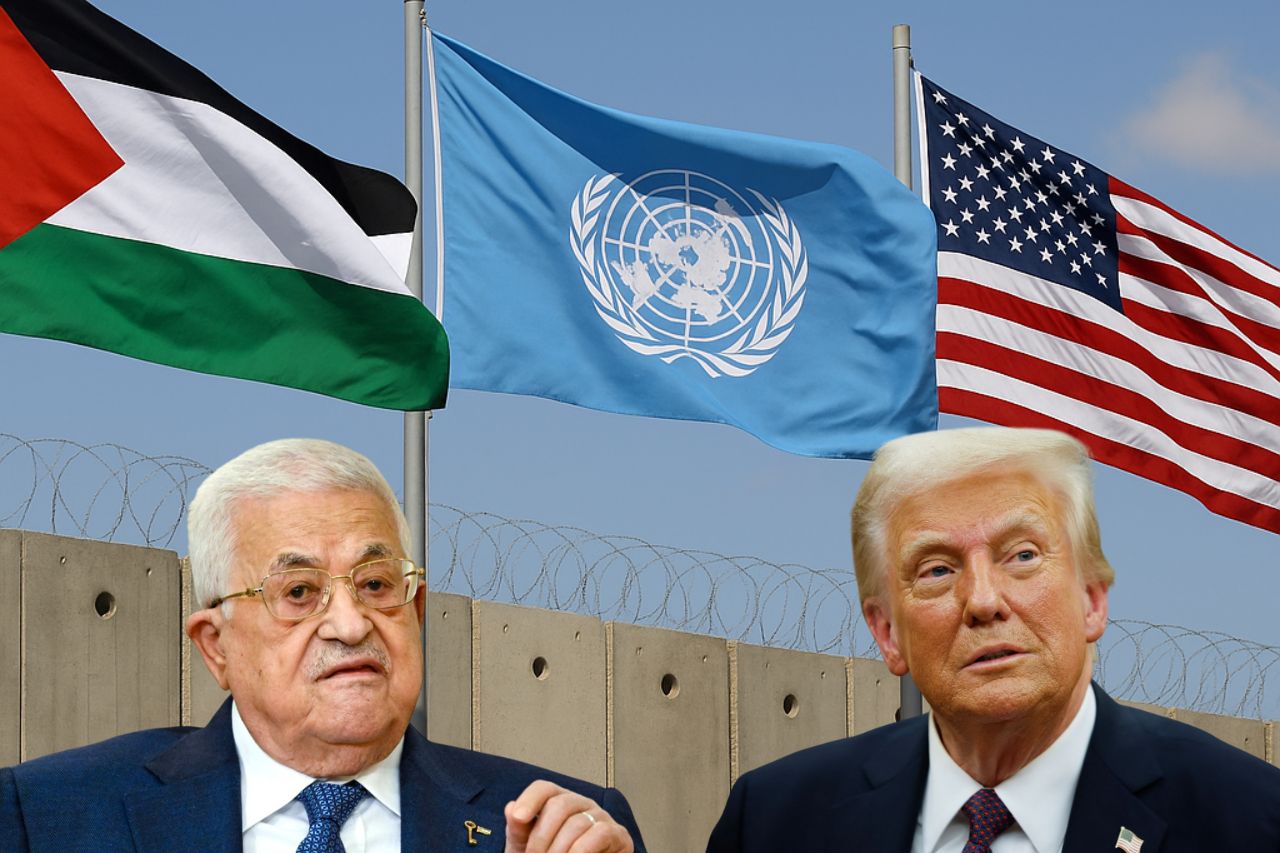
The media loves a ceasefire. It sells hope. It fits perfectly into a thirty-second news segment between a pharmaceutical ad and a weather report. We watch talking heads analyze "competing narratives" as if war were a debate club where the best PowerPoint presentation wins. They talk about the "fog of peace" like it’s a temporary atmospheric condition.
They are dead wrong. Also making waves lately: Why the Nabatieh attack on Lebanese State Security changes everything.
A ceasefire isn't the absence of war. It is the continuation of war by more efficient, more deceptive means. If you think a pause in kinetic activity is a step toward stability, you haven’t been paying attention to the last century of failed diplomacy. Real peace requires a victor and a loser. Ceasefires just freeze the pain and subsidize the next round of slaughter.
The Myth of the Neutral Observer
The standard industry take on peace talks focuses on "asymmetry of information" or "breakdowns in communication." This is high-level academic fluff. It suggests that if everyone just sat in a room and shared their feelings, the shooting would stop. Additional insights into this topic are detailed by The Guardian.
In thirty years of watching regional conflicts go from simmer to boil, I’ve seen that communication is rarely the problem. The parties usually understand each other perfectly. They simply want things that are mutually exclusive.
When a "competitor" tells you that narratives are "competing," they are treating truth like a commodity. It’s not. There is usually a side that has achieved its strategic objectives and a side that hasn't. The ceasefire is almost always a tool used by the losing side to rearm, or by the winning side to consolidate gains without the cost of ammunition. It is a tactical breath, not a moral breakthrough.
Why Ceasefires Kill More People in the Long Run
Let’s look at the math of "frozen conflicts." When a conflict is paused without a resolution, you create a "shadow economy" of war.
- Weaponization of Aid: Billions in humanitarian relief flow into ceasefire zones. I have seen entrenched regimes divert up to 70% of this "peace dividend" to reinforce bunkers and buy black-market hardware.
- Demographic Engineering: Under the cover of a "peace process," actors move populations, clear land, and change the facts on the ground while the international community is busy debating the wording of a memorandum.
- The Sunk Cost of Diplomatic Ego: Once a peace process starts, the diplomats involved have a career-ending incentive to keep it "alive," even when it’s a rotting corpse. They will ignore violations and excuse atrocities just to keep the cameras rolling.
If you want to stop a fire, you don't just stop the wind for five minutes. You starve it of oxygen. Ceasefires provide the oxygen of time and resources.
Stop Asking if the Talks are Productive
People often ask, "Are both sides coming to the table in good faith?"
This is the wrong question. It’s a naive question. "Good faith" doesn't exist in a zero-sum survival struggle. The only honest question is: "Who benefits from the silence?"
If you look at the 1994 Lusaka Protocol or the various iterations of the Minsk Agreements, you see the same pattern. The "negotiations" were masks. One side used the table to buy time while the other used the table to mask their next offensive.
To understand what's actually happening, look at the logistics, not the linguistics.
- Is the heavy machinery moving back, or just being covered with tarps?
- Are the supply lines being dismantled, or are they being hardened?
- Is the rhetoric in local languages changing, or is it only the English-language press releases that sound "peaceful"?
If the local radio is still calling for blood while the UN rep is sipping mineral water in Geneva, the war hasn't stopped. It has just gone quiet.
The Brutal Reality of Conflict Resolution
The status quo says that all conflicts can be resolved through "mutual concessions."
History says otherwise. Most enduring peace is the result of one side being unable or unwilling to continue. This is the uncomfortable truth that "insiders" hate to admit because it makes them look like warmongers. But what is more bloodthirsty: a short, decisive war that ends in a clear political reality, or a thirty-year "peace process" that kills ten people a day in "skirmishes"?
We have professionalized the "peace industry." There are thousands of consultants, NGOs, and "conflict resolution experts" whose mortgages depend on the conflict not being resolved. If the war ends, the funding dries up. They have a vested interest in the "fog." They want the narratives to remain "competing" forever.
The Counter-Intuitive Path to Stability
If we actually wanted to end a conflict, we would stop trying to force people to like each other. We would focus on the cold, hard mechanics of exhaustion.
- Enforce Total Transparency: Not "monitors" who sit in hotels, but real-time, unblinking surveillance of every dollar and every bullet. If a "peace talk" starts, all foreign aid to both sides should be cut to zero. Make peace the only way to eat.
- Acknowledge the Victor: This is the most controversial move. International law hates "spoils of war." But pretending a loser hasn't lost only encourages them to try again in five years.
- Kill the Narrative Industry: Stop treating propaganda as a "perspective." If one side says the sky is blue and the other says it's red, the "insider" job isn't to report "disagreement over sky color." It's to look up and tell the truth.
The High Cost of Your Moral Superiority
The western obsession with "stopping the violence" at any cost is actually a form of narcissism. We want the violence to stop because it makes us feel bad when we see it on our phones. We don't care if the "peace" we impose results in a decade of secret police, torture, and slow-motion starvation—as long as there aren't any explosions for the evening news.
This is the "Peace of the Grave." It’s stable, sure. But it’s not what the brochures promise.
I’ve stood in cities that were "saved" by ceasefires only to find they had become open-air prisons where the "competing narratives" were replaced by a single, crushing silence. The "competitors" writing about peace talks from their climate-controlled offices in London or D.C. don't have to live with the consequences of a half-baked truce.
The Actionable Truth
If you are an investor, a policy-maker, or just an informed citizen, stop looking at the handshake photos.
Look at the price of grain in the conflict zone. Look at the black market exchange rate. Look at the movement of fuel. Those numbers don't lie, and they don't have "competing narratives." If the price of fuel is rising despite a ceasefire, it’s because someone is stockpiling for an offensive. If the black market rate for the local currency is crashing, nobody believes the "peace" will last through the weekend.
The "fog" is a choice. We choose to be confused because the alternative is admitting that some problems don't have a win-win solution. Some problems only end when someone loses.
Until we stop subsidizing the "process" and start demanding a result, we are just spectators at a bloodbath, complaining about the lighting.
Stop looking for a ceasefire. Start looking for an exit strategy. One requires a pen; the other requires the courage to face a reality where nobody gets everything they want, and some people get nothing at all.
The talks aren't failing. They are performing exactly as intended: as a smoke screen for the next act of the tragedy.
Turn off the news. Follow the ammunition. That’s the only narrative that matters.