Stop checking the price of Brent crude every fifteen minutes. You are wasting your time.
The media loves a predictable script. When tensions rise in the Middle East, the "Simple Guides" start rolling out like clockwork. They tell you to brace for skyrocketing holiday costs, empty shelves, and a cost-of-living apocalypse. They treat global economics like a fragile glass vase that shatters the moment a drone is launched. Don't miss our previous article on this related article.
It is a lie. Or at the very least, it is a gross oversimplification designed to keep you clicking while your portfolio stagnates.
The reality is that markets have already priced in the chaos. The "shocks" you are reading about today were calculated by hedge fund algorithms three weeks ago. If you are reacting to the news now, you are the exit liquidity for people who actually understand how supply chains breathe. If you want more about the history of this, Business Insider provides an informative breakdown.
The Oil Myth and the Strait of Hormuz Obsession
Every amateur analyst points to the Strait of Hormuz as the singular carotid artery of the world. They claim that if Iran closes it, the global economy bleeds out.
I have spent years watching energy desks trade these cycles. Here is what they won't tell you: the world is far more resilient than it was in 1973. The United States is currently the largest producer of crude oil in history. Between the Permian Basin and massive offshore projects in Guyana and Brazil, the "Middle East premium" is shrinking every year.
When you see a $5 jump in oil prices, it isn't because there is a physical shortage of gas at your local station. It is a speculative spike driven by fear.
- The Nuance: Tankers don't just disappear. They reroute. Pipelines exist.
- The Reality: High prices are the best cure for high prices. As soon as oil hits a certain threshold, "shut-in" wells in North Dakota become profitable again, and the market floods with supply.
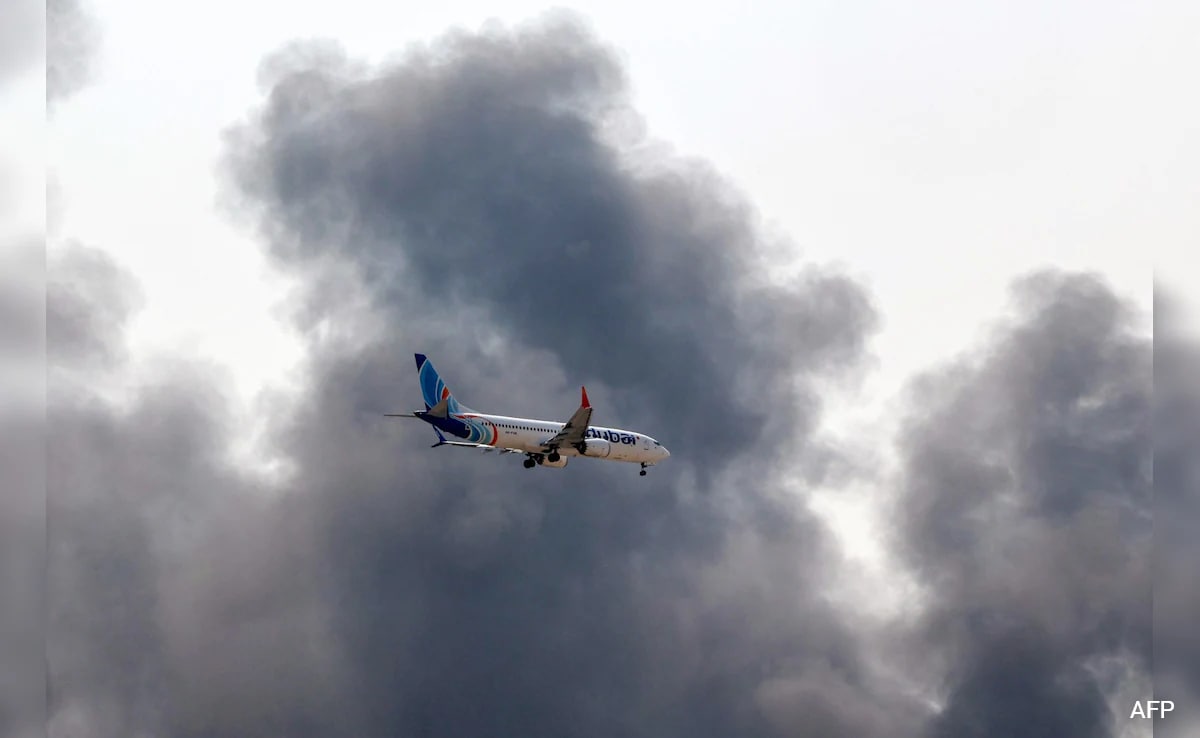
Your flight to Mallorca isn't getting more expensive because of a regional skirmish. It’s getting more expensive because airlines are using the news as cover to expand their margins. They blame "geopolitical instability" while reporting record-breaking quarterly profits. Don't fall for the scapegoat.
Your Wardrobe is Not a Geopolitical Casualty
The argument that your clothes will cost more because of an Iran conflict is laughable. Most fast fashion and textile manufacturing happens in Southeast Asia and the Indian subcontinent.
The "Red Sea Crisis" is the favorite boogeyman here. Yes, rerouting around the Cape of Good Hope adds ten days to a journey. But shipping costs are a tiny fraction of the retail price of a $60 hoodie. We are talking cents, not dollars.
If a retailer tells you they have to hike prices by 15% because of "shipping disruptions in the Gulf," they are lying to your face. They are "price gouging by proxy." They know you’ve seen the headlines, so they assume you won't question the receipt.
Why Food Prices Actually Move
Food is the only area where the concern carries weight, but for the wrong reasons. It isn't about the conflict itself; it is about the fertilizer.
- Natural Gas Feedstock: Fertilizer production is energy-intensive. If global gas prices spike, the cost of growing wheat in Kansas goes up.
- Protectionist Panic: The real danger isn't a blockade; it's a government's reaction. When countries get scared, they hoard. They ban exports. That is what causes the price of bread to double.
I’ve seen commodity traders make more money during a "supply scare" than during an actual shortage. They thrive on the volatility you are currently stressing over.
The Travel Industry’s Great Deception
"Book now before prices soar!"
This is the oldest trick in the travel agent's manual. They want you to believe that a conflict 3,000 miles away will somehow make a villa in the Algarve unattainable by July.
Actually, the opposite is often true. Geopolitical tension creates pockets of incredible value for the "cold-blooded" traveler.
- Contrarian Play: When a region gets "hot," demand for nearby hubs drops. I’ve seen five-star hotels in Cyprus and Turkey slash rates by 40% because people can't tell the difference between a border dispute and a continent-wide war.
- Currency Arbitrage: Conflict often strengthens the US Dollar as a safe haven. If you are holding USD or a pegged currency, your purchasing power abroad actually increases during these "crises."
The "lazy consensus" says stay home. The insider knows this is when you find the best deals of the decade.
Stop Asking the Wrong Questions
People keep asking: "How much will this cost me?"
That is a victim’s question. It assumes you are a passive observer waiting for the economy to hit you.
The real question is: "Where is the capital moving?"
During these cycles, money moves out of speculative tech and into defense, domestic energy, and logistics infrastructure. If you are worried about the price of a gallon of milk, you should probably stop looking at your grocery list and start looking at your brokerage account.
The Brutal Truth About "Stability"
The world is never stable. "Normalcy" is a fiction sold to you by people who want you to keep consuming at a steady, predictable rate.
Conflict in the Middle East is a tragic human reality, but as a purely economic driver, it is often a "nothingburger" wrapped in a "black swan" headline. The global economy is a massive, multi-headed beast. It has built-in redundancies that the average news consumer never sees.
- Example: When Russia was sanctioned, the "experts" predicted the collapse of European industry. Two years later, German factories are still running on diverted LNG, and the world hasn't ended.
Humanity is incredibly good at finding a workaround.
The Actionable Pivot
Stop reacting. Start anticipating.
If you want to protect your wallet from the "Iran war effect," do the following:
- Ignore the "Energy Surcharge": If a service provider adds a temporary fee based on the news, find a new provider. It is a margin grab.
- Bet on Resilience: Invest in the companies that provide the "workarounds"—logistics firms with diverse fleets and energy companies with Western Hemisphere assets.
- Travel Against the Grain: Look for the regions the "Simple Guides" are telling you to avoid. That is where the value is hiding.
The biggest threat to your bank balance isn't a missile in the desert. It is the fear-driven decisions you make because you believed a headline written by someone who doesn't know the difference between a barrel of WTI and a barrel of Brent.
The market doesn't care about your anxiety. It only cares about the math. And the math says you’re being played.
Get off the sidelines. Stop waiting for "peace" to fix your finances. The chaos is the only time the board gets reshuffled in your favor. Take the opening or get left behind.