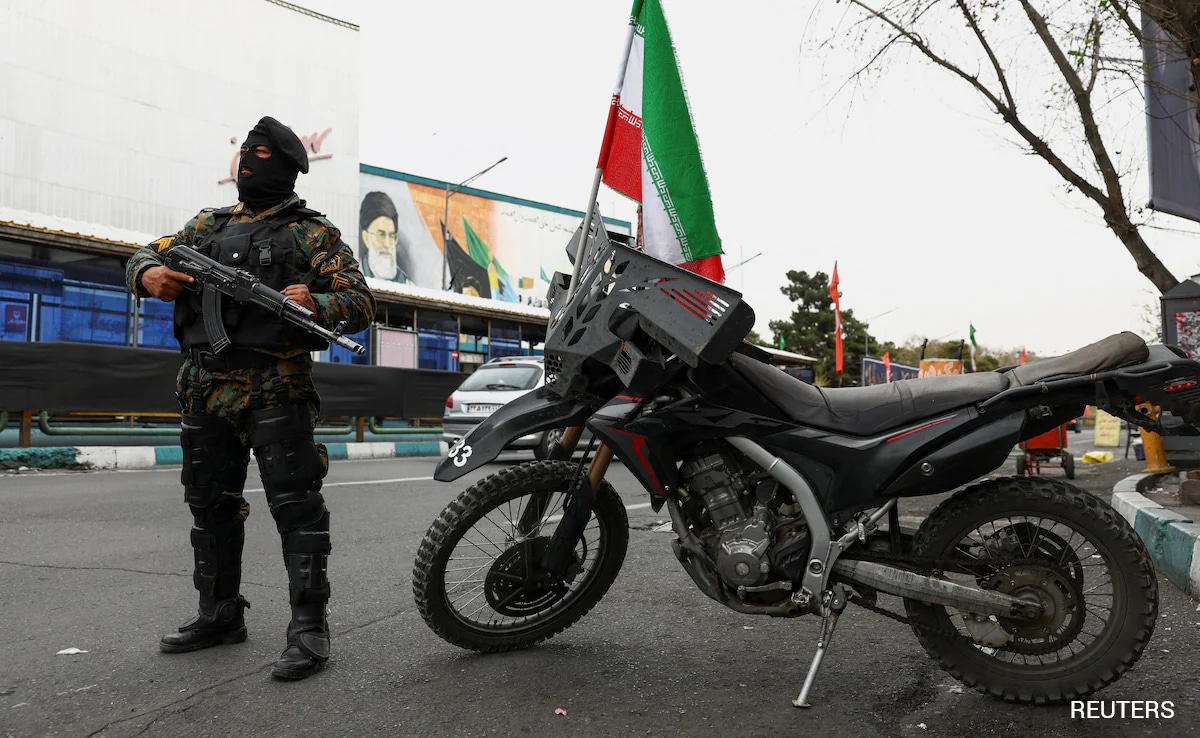
The steel of a G3 rifle is unforgivingly cold when the desert wind whips through the concrete canyons of Tehran. It is a heavy, mechanical weight that feels entirely wrong in the hands of someone who, only a year ago, might have been worrying about a math exam or the scuff on a new pair of sneakers. In the flickering neon glow of a shuttered convenience store, the silhouette of a soldier stands tall. But as you draw closer, the proportions shift. The helmet is too large, wobbling slightly on a narrow neck. The tactical vest hangs low, swallowing a small torso.
He is twelve. Maybe thirteen. His eyes are wide, reflecting the headlights of passing cars with a mixture of terror and unearned authority.
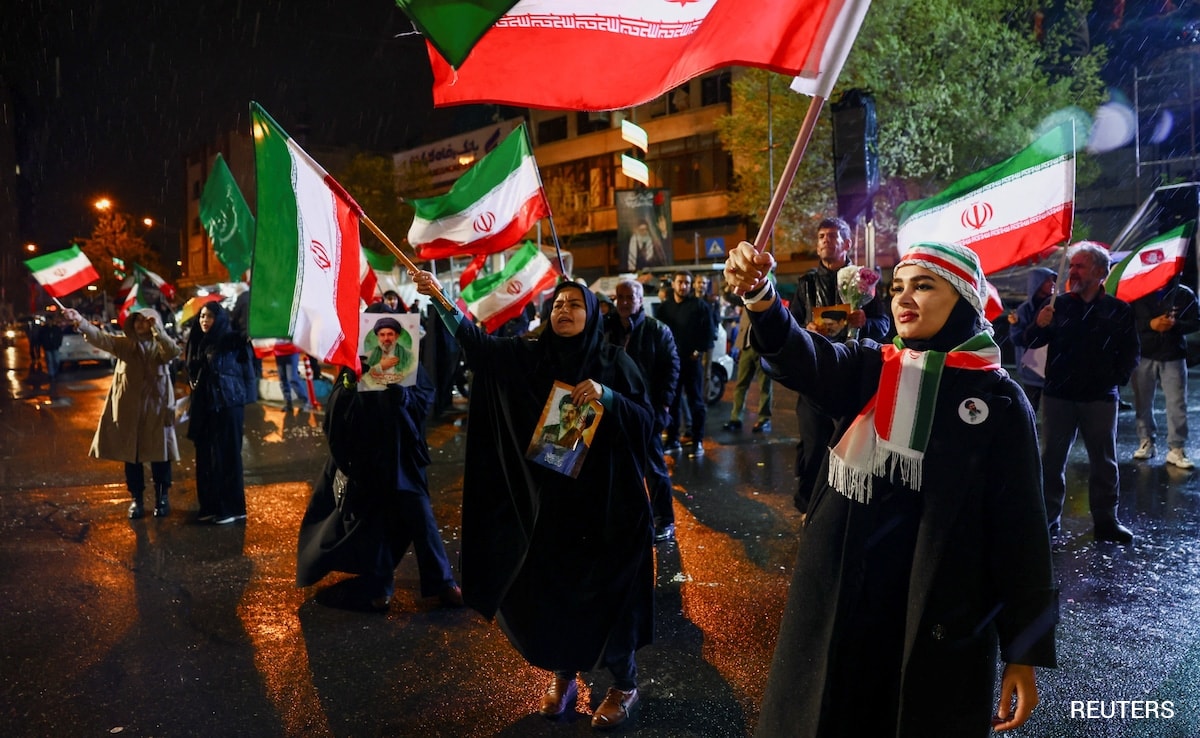
This is the new face of security in the Iranian capital. Reports from the ground indicate that the Basij—the paramilitary wing of the Islamic Revolutionary Guard Corps (IRGC)—has begun deploying children to man checkpoints across the city. They are the "Lions of the Revolution," or so the propaganda posters claim. To the rest of the world, they are a chilling signal of a regime so strained that it is now spending the only currency it has left: its youth.
The Weight of the Wood and Wire
To understand how a child ends up standing on a smog-choked street corner at 2:00 AM holding a weapon, you have to look at the mechanics of desperation. Security forces in Iran are tired. Years of sporadic but intense protests, coupled with internal purges and the constant threat of external friction, have thinned the ranks of the professional guard. When the veteran soldiers are moved to the borders or the more volatile provinces, a vacuum opens in the heart of the capital.
The state fills this void with the Basij. These are not always the hardened ideological warriors portrayed in state media. Often, they are recruits drawn from the poorest neighborhoods, lured by the promise of subsidized education, extra food rations, or the simple, intoxicating lure of belonging to something powerful.
Consider a boy named Ali. This is a composite name for the many faces seen by witnesses in Tehran, but his reality is documented. Ali joins a local mosque-based youth group. He plays soccer. He hears stories of martyrdom and glory. Then, one night, he is given a uniform that doesn't fit and a radio that crackles with the voices of men who sound like his father. He is told he is protecting his mother, his sisters, and his faith from "thugs" and "foreign agents."
Then he is handed the rifle.
The physical toll is immediate. A standard-issue assault rifle weighs roughly nine pounds. To a grown man, it is manageable. To a child whose bones are still knit from soft cartilage, it causes a permanent slouch. Their shoulders roll forward. Their spines curve under the weight of ballistic plates designed for bodies twice their size. They stand for six, eight, ten hours at a time, breathing in the toxic lead and carbon monoxide of Tehran’s notorious traffic.
The Invisible Stakes of the Checkpoint
A checkpoint is more than a physical barrier; it is a psychological theater. When you drive up to a barricade manned by a child, the air changes. The tension is thick, jagged, and unpredictable.
Adult soldiers operate on a baseline of training and, occasionally, a weary cynicism. They want the shift to end. They want to smoke a cigarette. They follow a protocol, however harsh. But a child with a gun is an agent of chaos. Children lack the neurological development to manage high-stress escalation. Their prefrontal cortex—the part of the brain responsible for impulse control and long-term consequence mapping—is still under construction.
When a driver is slow to produce an ID, or a car engine backfires, the reaction of a twelve-year-old is governed by pure adrenaline. Fear masks itself as aggression. They scream because they are terrified. They point barrels at windshields because they don’t know how to de-escalate with words. For the citizens of Tehran, passing through these checkpoints is a gamble against a child’s hair-trigger nerves.
The regime knows this. The presence of children is a calculated move. It creates a "moral shield." If a protest breaks out near a checkpoint manned by minors, the optics of the situation become a trap. If the crowd surges, the regime can claim that "rioters" are attacking children. It is a cynical use of human life as a PR maneuver, turning the innocence of the recruits into a weapon against the dissent of the public.
The Erosion of the Interior
Beyond the immediate danger of an accidental discharge or a violent confrontation, there is a deeper, more silent erosion occurring. We are witnessing the systematic destruction of the Iranian domestic sphere.
In a healthy society, the transition from childhood to adulthood is a gradual handoff of responsibility. In Tehran’s current climate, that handoff has been replaced by a shove. These boys are being taught that power is found in the ability to stop a stranger, to demand papers, and to exert fear. They are being conditioned to view their own neighbors as enemies.
The psychological impact of this "service" is profound. Traumatic stress in child soldiers—a term the international community is increasingly applying to these deployments—rarely stays at the checkpoint. It follows them home. It manifests in night terrors, in sudden bursts of rage, and in a profound inability to reintegrate into a world where they are just students again. How do you go back to a geography lesson after you’ve spent the night deciding who is allowed to drive down your street?
The numbers are difficult to pin down with the precision of a laboratory, but the sightings are too frequent to be anomalies. Human rights groups have flagged the Valiasr Street intersections and the areas around Sharif University as hotspots for these juvenile patrols. The reports describe boys who look "lost in their clothes," their faces smooth and devoid of the stubble of manhood, yet their expressions are etched with a grim, practiced severity.
The Cost of Cold Iron
There is a specific sound that a G3 makes when the bolt is pulled back. It is a metallic, biting "clack-clack" that echoes in the stillness of a Tehran alleyway. For a child, that sound is a gateway. On one side is the world of play, of family, and of a future that hasn't been written yet. On the other side is the cold iron of the state.
The deployment of children is not a sign of a government’s strength. It is the rattling breath of an institution that has run out of adults willing to believe in its mission. When a country begins to use its children as a wall against its own people, the wall is already crumbling.
The lights of the city continue to hum. The cars continue to crawl through the smog. And on the corners, the boys remain. They are tired. Their backs ache. They are hungry for the dinner their mothers have left on the stove. But they stay, clutching their rifles, staring into the dark, waiting for an enemy they have been told is everywhere, while the real theft—the theft of their own lives—happens right under their feet.
The boy shifts his weight. The strap of the rifle digs into his shoulder. He looks at the moon, then back at the road. He is a soldier of the revolution, but when the wind picks up and the shadows stretch long across the pavement, he looks like nothing more than a child who is very, very far from home.
Would you like me to research the specific international legal frameworks regarding the use of paramilitary minors to see how these deployments violate existing treaties?