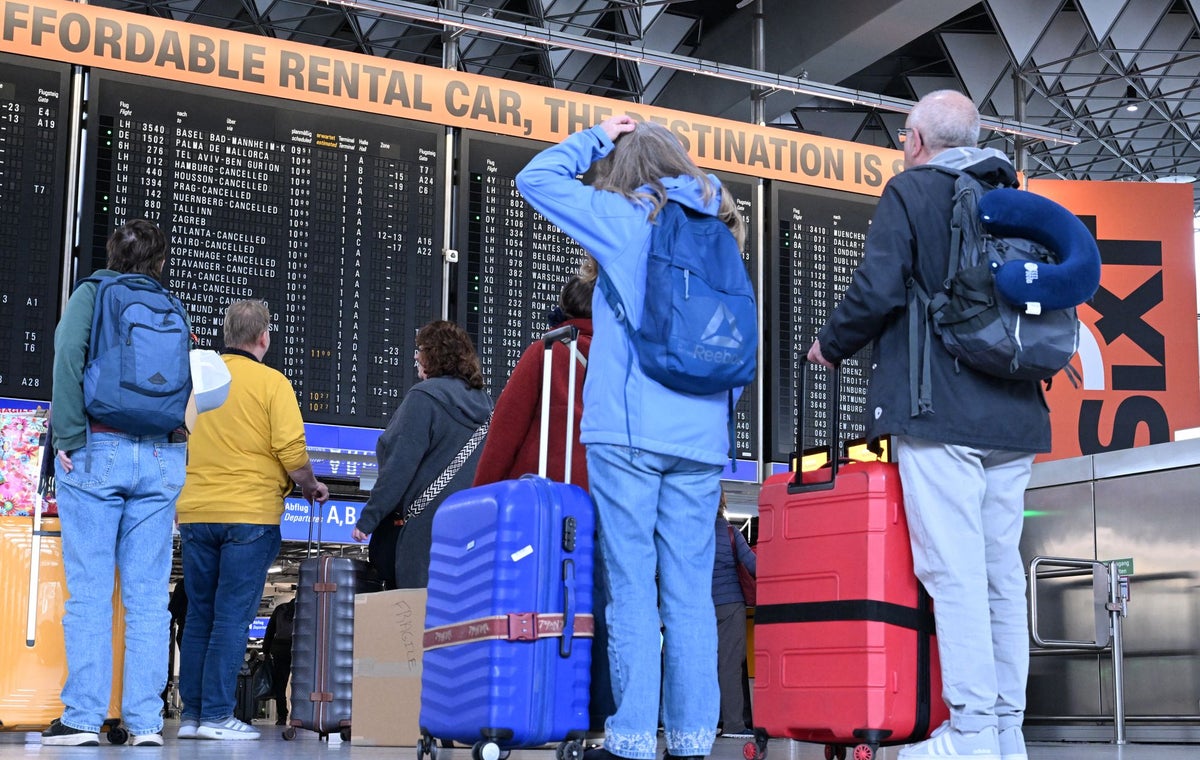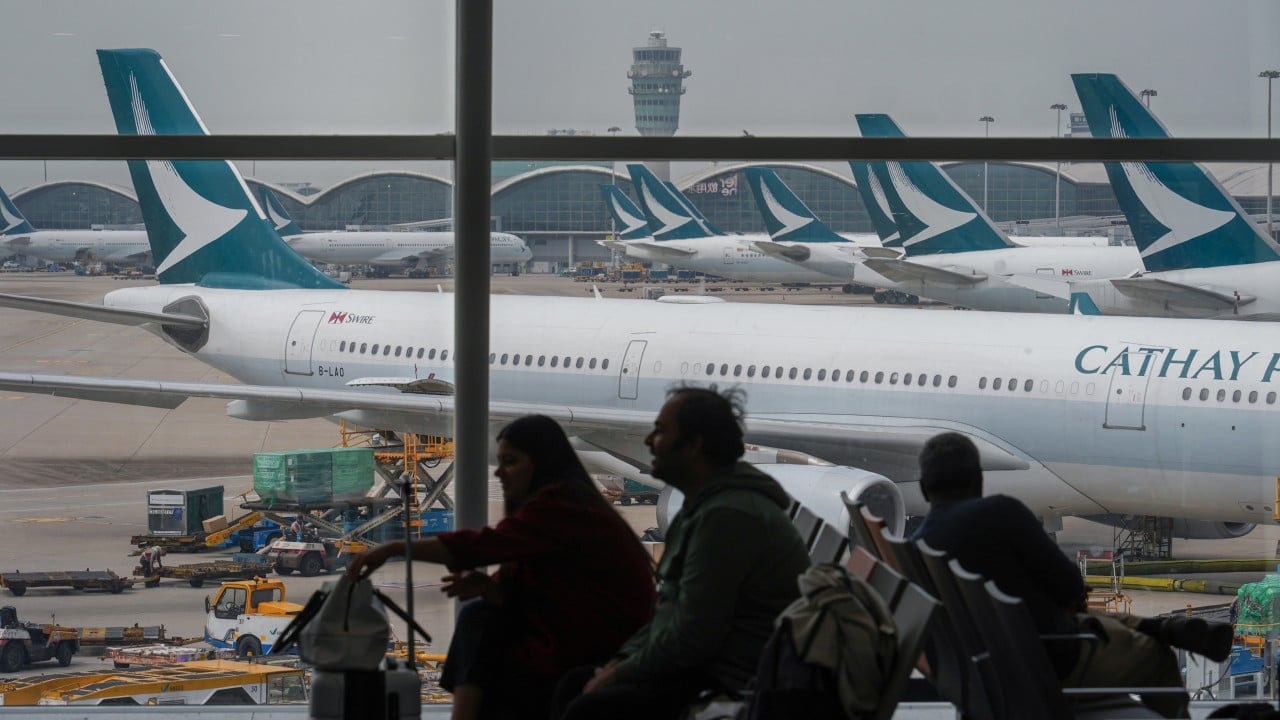
You’ve probably noticed that booking a flight out of Hong Kong lately feels like a personal attack on your wallet. It’s not just your imagination. Cathay Pacific and its budget sibling, HK Express, are aggressively hiking surcharges and pulling back on frequencies because jet fuel prices have absolutely spiraled.
The numbers are pretty staggering. As of April 1, 2026, Cathay Pacific jacked up its passenger fuel surcharge by a massive 34%. If you're looking at a long-haul ticket, that’s an extra HK$1,560 per segment. If you're doing a round trip to London or New York, you're looking at over HK$3,100 just in fuel levies before you even get to the base fare or airport taxes. It's the second time they’ve raised these prices in just a couple of weeks, and they've moved to a "bi-weekly review" system. Basically, they're checking the oil markets every 14 days and passing the pain directly to you.
Why fuel surcharges are hitting record highs
The primary culprit is a messy, volatile situation in the Middle East that has pushed Brent crude oil consistently above US$110 a barrel. For airlines, fuel isn't just a line item; it’s usually about 30% of their total operating costs. When the price of jet fuel hits US$197 per barrel—which it did in late March—the "business as usual" model breaks.
Cathay Pacific isn't alone in this, but they're being the most proactive about it. They’ve admitted that these geopolitical conditions are putting "considerable pressure" on their margins. Because they only hedge a portion of their fuel costs, they're exposed to these massive swings. By updating the surcharge every two weeks, they're trying to stay agile, but for travelers, it means the price you see today might be gone by the time you finish your morning coffee.
The trickle down to HK Express and regional rivals
While Cathay is the premium flag carrier, the budget wing isn't safe either. HK Express usually mirrors its parent company's moves within days. If you thought you could escape the hikes by flying "low-cost," think again. Those HK$88 "mega sale" seats are becoming a myth once you tack on the several hundred dollars in fuel fees that are now mandatory.
Greater Bay Airlines and Hong Kong Airlines have followed suit, raising their own levies to keep pace. It’s a coordinated squeeze that’s making regional travel—once a cheap weekend getaway staple for Hong Kongers—feel like a luxury.
Beyond the price tag the hidden flight cuts
It’s not just about the money. It's about actually finding a seat. When fuel prices stay this high, "marginal routes" get the axe. These are the flights that aren't consistently full or don't cater to high-yield business travelers.
I’ve seen Cathay start to pare back frequencies on secondary routes into Mainland China and even some North American services. They’re still trying to rebuild their capacity to 100% of pre-pandemic levels, but this fuel crisis is a massive speed bump. If a flight isn't profitable at US$197-a-barrel fuel prices, they'll simply stop flying it. This means fewer options for you, less flexibility, and—you guessed it—higher prices for the seats that remain.
The Asia Miles trap
If you're sitting on a mountain of Asia Miles thinking you'll just "redeem your way" out of this mess, I have some bad news. Fuel surcharges apply to award tickets too.
Starting May 1, 2026, Cathay is also tweaking its award charts. While short-haul Business Class is getting slightly cheaper in terms of miles, long-haul redemptions are going up. But the real sting is the cash component. A "free" ticket to Europe now requires hundreds of US dollars in cash just to cover the fuel and taxes. In many cases, the "value" of your miles is being eroded faster than you can earn them.
Stop waiting for a price drop
If you’re planning to travel in the next three to six months, the worst thing you can do is wait and hope for prices to stabilize. The current geopolitical climate doesn't suggest a sudden crash in oil prices is coming.
- Book before the next review. Since Cathay now reviews surcharges every two weeks (around the 1st and 15th of the month), locking in a ticket before the next window can save you hundreds.
- Watch the secondary hubs. Sometimes flying through a different hub—like Taipei or Singapore—can offer a lower total cost if those carriers haven't updated their surcharges as aggressively.
- Check the "hidden" fees. Before you get excited about a "cheap" HK Express fare, go all the way to the payment page to see the final tally. The fuel surcharge is often higher than the fare itself.
The era of cheap, spontaneous flying out of Hong Kong is on a temporary hiatus. Until the Middle East stabilizes and oil production catches up, we're all paying the "volatility tax." Don't gamble on a last-minute deal that isn't coming; lock in your essential trips now before the next bi-weekly hike hits the system.