The Silence Before the Sound
A Tuesday in Lebanon doesn't usually start with a prayer for survival. It starts with the smell of strong, cardamom-scented coffee and the rhythmic scraping of a metal shutter opening on a storefront. Life in the borderlands is a practiced dance of ignoring the inevitable. People buy bread. They argue over the price of tomatoes. They pretend the humming in the sky is just the wind.
Then the sky breaks. Meanwhile, you can explore related events here: The Silence Before the Bells.
The video is only a few seconds long, grainy and trembling, captured by a hand that likely didn't stop shaking for hours afterward. It shows a nondescript neighborhood—the kind of place where laundry hangs over balconies and stray cats claim the shade of parked cars. Then, a streak of light. A roar that isn't just a sound, but a physical weight that crushes the air out of your lungs. A plume of charcoal smoke rises, blooming like a poisonous flower against the Mediterranean blue.
We call these "strikes." We talk about "targets" and "strategic assets." But look closer at the edges of the frame. That isn't just debris. That is the wreckage of a Tuesday. To explore the full picture, check out the detailed analysis by Associated Press.
The Anatomy of an Instant
When an Israeli missile hits a structure in a crowded Lebanese suburb, the physics are cold and indifferent. It takes less than a heartbeat for the kinetic energy to transform a standing home into a memory. To the analysts sitting in air-conditioned rooms hundreds of miles away, this is a data point on a map. They see coordinates. They see a win or a loss in a long, grinding war of attrition.
But for the person holding the camera, the reality is sensory.
First, there is the flash—a white-hot strobe that burns the retina. Then comes the vacuum. For a split second, the explosion sucks the oxygen out of the immediate vicinity, creating a pocket of nothingness before the pressure wave returns to shatter every window within a three-block radius. The sound follows, a visceral thud that vibrates in the marrow of your bones.
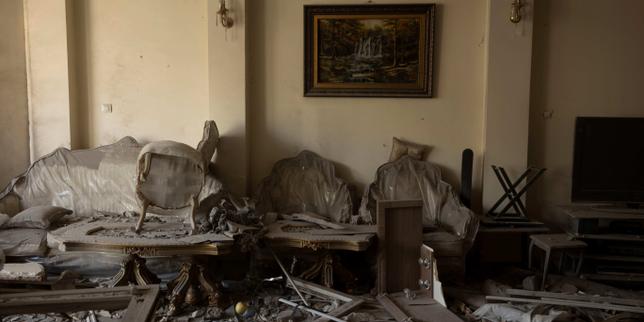
Think of a hypothetical baker, let’s call him Omar. Omar has spent thirty years perfecting the crust on his man’ouche. He isn't a combatant. He isn't a politician. He is a man who knows the exact temperature his oven needs to be at 6:00 AM. When the strike hits the building across the street, Omar’s life’s work doesn't just stop. It evaporates. The flour in his bins becomes a fine white dust that mixes with the grey pulverized concrete of his neighbor's living room.
This is the hidden cost of the "precision" we hear so much about. Even when the target is hit with surgical accuracy, the shrapnel of the soul spreads for miles.
The Ghost in the Machine
The footage circulating on social media creates a strange, voyeuristic distance. We watch it on our phones while waiting for the bus or sitting in a meeting. We see the explosion, we see the smoke, and then we swipe to a video of a cat playing the piano.
This digital consumption of war strips away the weight of the event. We become experts in "secondary explosions," arguing in comment sections about whether the way the fire blossomed indicates a hidden weapons cache or just a ruptured gas line. We strip the humanity out of the tragedy to turn it into a puzzle we can solve from the safety of our couches.
Yet, the truth is found in the things the camera misses. It misses the smell of burning rubber and old dust. It misses the sudden, eerie silence that falls immediately after the blast—a silence so thick you can hear the grit falling on the roofs of cars. It misses the frantic calling of names.
Hassan?
Mariam?
Where are you?
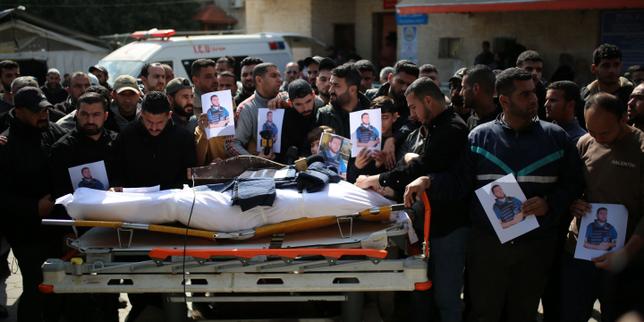
Those names aren't in the press releases. They aren't in the military briefings. They are the invisible stakes of every frame of video that makes it to our screens.
The Architecture of Fear
Living under the constant threat of these strikes does something to the human psyche. It changes the way you look at the horizon. In Beirut or the southern villages, the sky is no longer a source of light; it is a source of potential extinction.
This isn't just about the physical destruction of buildings. It is the demolition of the future. When a strike occurs, it sends ripples through the economy, the healthcare system, and the collective mental health of a generation. People stop investing in their homes. Why paint a wall that might be rubble by Friday? Children learn to distinguish the sound of a drone from the sound of a motorbike before they learn their multiplication tables.
Consider the ripple effect of a single explosion. The glass from the broken windows litters the street. The power lines are severed, plunging a neighborhood into darkness. The local hospital, already struggling with a lack of medicine and fuel, is suddenly flooded with people who aren't just wounded by fire, but by the shock of the blast.
The "strike" lasted one second. The recovery will take decades.
Beyond the Grainy Footage
We often hear that these actions are necessary for security. Both sides of the border have their narratives, their justifications, and their lists of grievances that stretch back for a century. The geopolitical chess match is complex, filled with grand strategies and high-level negotiations.
But if you strip away the flags and the rhetoric, you are left with the raw, shivering reality of a human being standing in the dust.
The video shows an explosion. That is the fact. The truth, however, is much harder to capture. The truth is the wedding photo buried under six feet of stone. The truth is the elderly woman who refused to leave her chair because she had nowhere else to go. The truth is the terror that becomes a permanent resident in the heart of every person who hears that whistling sound in the air.
We watch the smoke rise and we think we understand what happened. We see the fire and we think we’ve seen the war.
But the war isn't the explosion. The war is what happens in the minutes, hours, and years after the smoke clears. It’s the empty chair at the dinner table. It’s the way a child flinches when a door slams. It’s the slow, agonizing realization that home is no longer a place of safety, but a target.
The camera stops recording when the dust settles, but for the people on the ground, the video never ends. They are still there, standing in the grey light, looking at a hole in the world where a life used to be.