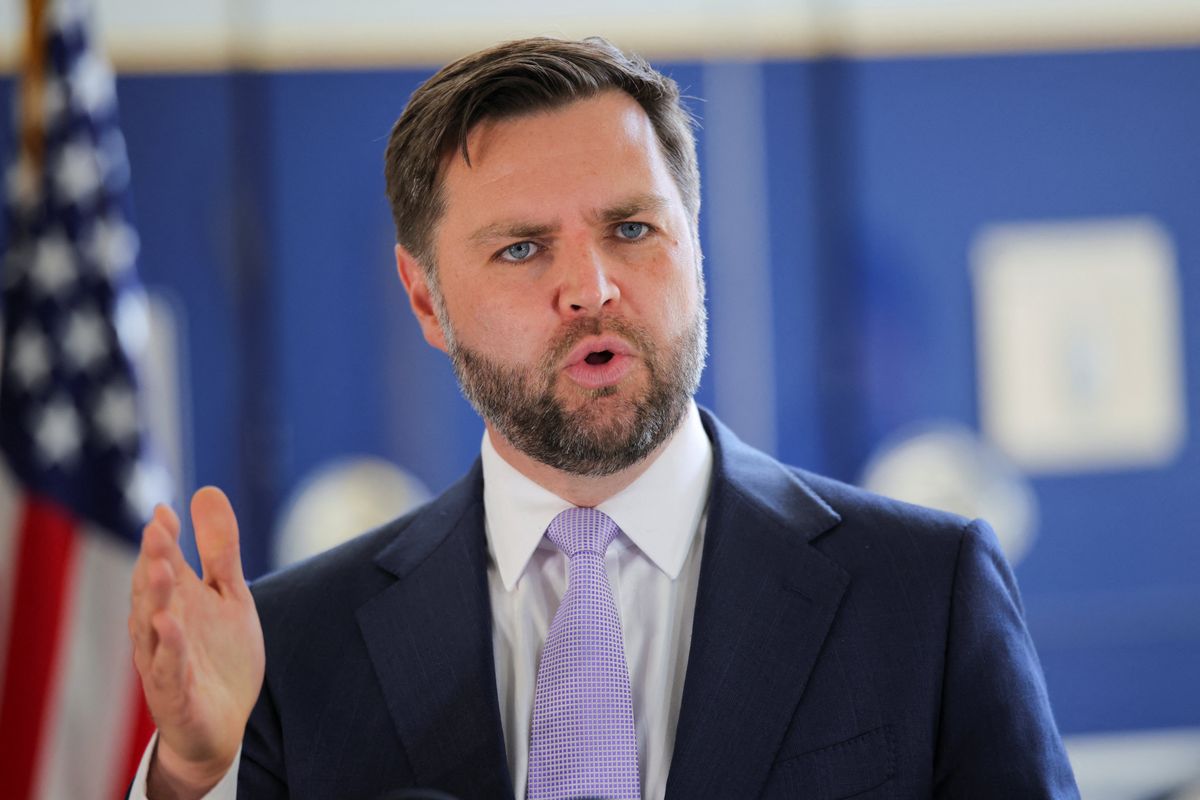
The plane just left Joint Base Andrews, and with it, the highest stakes for global stability we've seen since the war began six weeks ago. JD Vance is headed to Islamabad. He's not just going for a photo op or a "listening tour." He's there because the two-week ceasefire between the United States and Iran is currently hanging by a thread that's frayed to almost nothing.
If you've been following the news, you know the vibe is tense. Vance told reporters before takeoff that he expects "positive" negotiations, but he wasn't exactly handing out friendship bracelets. He was clear. If Iran negotiates in good faith, the hand is open. If they "play" the US, the negotiating team is going to shut the door. It's a classic Trump-era approach—brutal honesty mixed with a sliver of diplomatic hope. Also making news lately: Why the Nabatieh attack on Lebanese State Security changes everything.
The Islamabad gamble and why it matters right now
This isn't just another meeting in a long line of failed Middle East summits. This is the first time since the 1979 Revolution that we've seen this level of high-stakes, direct engagement aimed at stopping an active, hot war. The conflict that kicked off on February 28 has already seen over 13,000 targets hit in Iran. The global economy is shivering because the Strait of Hormuz—the world's most important oil artery—has been effectively turned into a parking lot.
Vance is carrying a heavy portfolio. He's joined by Steve Witkoff and Jared Kushner. That's a specific crew. It’s not a bunch of career State Department bureaucrats who love the "process" more than the result. It’s a team of closers. More insights regarding the matter are detailed by TIME.
The Lebanon problem threatens the ceasefire
Here's the part that might sink the whole thing before Vance even lands. Iran says the ceasefire includes Lebanon. They want Israel to stop bombing Hezbollah. Trump and Netanyahu have been very loud about the fact that Lebanon is not part of the deal.
- Iran wants blocked assets released before talking.
- The US wants the Strait of Hormuz "open, free, and clear" immediately.
- Israel is still hitting Nabatieh and other areas in Lebanon.
Mohammad Bagher Ghalibaf, the Iranian parliamentary speaker leading their side, basically said on X (formerly Twitter) that time is running out. He’s calling the current situation "unreasonable." You don't need a PhD in international relations to see the collision course here.
Why Vance is actually the right guy for this
It's ironic, honestly. Vance has spent his political career being the guy who's skeptical of "forever wars." He's been the most reluctant defender of this conflict within the administration. But that’s exactly why Trump sent him.
If a hawk like Marco Rubio went, the Iranians would expect a lecture. When Vance goes, he brings the credibility of someone who actually wants the troops home. He served in the Marines during the Iraq War. He knows what happens when these things spin out of control.
But don't mistake that reluctance for weakness. Vance is operating under "clear guidelines" from the President. Trump’s rhetoric hasn't softened; he’s still posting on Truth Social about how Iran has "no cards" left. The strategy is simple: Vance plays the reasonable veteran who wants peace, while the threat of "oblivion" stays parked in the Oval Office.
What is actually on the table
The Islamabad talks aren't just about stopping the bombs. They're about re-ordering the region. You're looking at a massive list of demands that have to be settled in a tiny window of time.
- Energy Security: Reopening the Strait of Hormuz to stabilize oil prices before the November elections.
- Nuclear Limits: A new framework to replace the dead-and-buried JCPOA, likely with much stricter enrichment caps.
- Prisoner Swaps: The release of Americans currently held in Tehran.
- Sanctions and Assets: Iran needs its cash. The US is only giving it up if the maritime security is guaranteed.
The Serena Hotel becomes the center of the world
Islamabad is under total lockdown. There's a two-mile security perimeter around the Serena Hotel. Pakistani officials are playing the middleman, literally walking messages between rooms because the level of trust is zero.
It’s easy to be cynical about these things. We’ve seen "peace talks" turn into "more war" plenty of times. But the economic pressure is different this time. Iran’s infrastructure has taken a massive beating. Their roads, bridges, and defense plants are in ruins. On the flip side, the US is staring at an energy crisis that could tank the domestic economy. Both sides have a very selfish, very real reason to want this to work.
What you should watch for in the next 48 hours
The "positive" outlook Vance mentioned will be tested the second he enters the room. Watch for any statement regarding the Strait of Hormuz. If Iran doesn't move on the shipping lanes, the ceasefire will collapse.
Also, keep an eye on Lebanon. If the IDF continues high-intensity strikes while Vance is in Islamabad, Ghalibaf might just walk out. The Iranians have already signaled they won't talk while their closest ally is being decimated.
The next steps are brutal but necessary.
- Track the oil markets: If prices dip, it means the traders think Vance is making progress on the Strait.
- Watch the rhetoric from Tehran: Look for any softening on the "assets first" demand.
- Monitor the ceasefire clock: We have less than two weeks to turn this temporary pause into something that sticks.
Vance thinks he can make a difference. He’s gone from a freshman Senator to the man trying to prevent a global meltdown in less than two years. It's a hell of a jump. Let's see if he can actually land it.