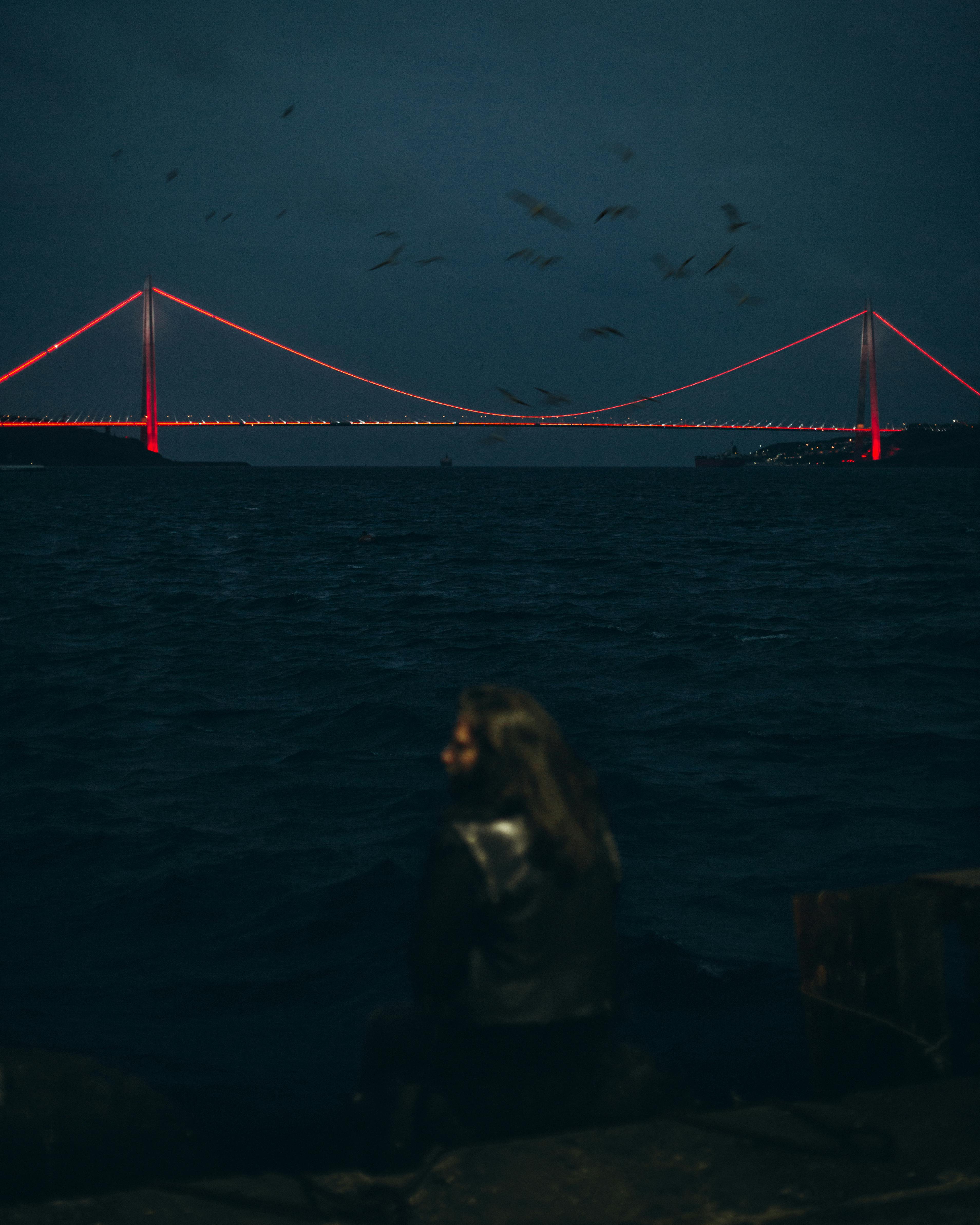
The world used to lose sleep over Iran’s centrifuges. Today, the real nightmare isn't a mushroom cloud; it’s a $1 million invoice. By turning the Strait of Hormuz into a literal toll road, Tehran has found a way to weaponize global commerce more effectively than any ballistic missile ever could.
If you’re looking for a traditional naval blockade, you won’t find it. Iran isn't just "closing" the water. They’re managing it. Since the outbreak of hostilities earlier this year—specifically after the chaos following the assassination of Supreme Leader Ali Khamenei in February 2026—the Islamic Revolutionary Guard Corps (IRGC) has pivoted. They’ve swapped the "closed" sign for a "pay to play" model that has paralyzed the global energy market.
The end of free passage as we know it
For decades, the Strait of Hormuz was the textbook definition of a "chokepoint." One-fifth of the world’s oil flows through this 21-mile-wide strip of water. But Iran’s recent move to mandate "transit fees" for merchant vessels is a total departure from historical norms.
The logic is simple and brutal. If you want to pass, you pay. If you’re from an "unfriendly" nation—think the U.S., Israel, or their close allies—you don't just pay; you’re flat-out denied. This isn't just a local spat. It’s a direct assault on the UN Convention on the Law of the Sea (UNCLOS). Iran is treating a natural, international strait like it’s the Suez Canal, which is an artificial waterway through sovereign land.
The legal difference is massive, but when you have a "mosquito fleet" of fast attack craft and Azhdar (Dragon) autonomous mines hugging the seabed, international law feels like a suggestion. Honestly, the IRGC doesn't care about the fine print of maritime law when they can effectively charge $1 million per tanker to keep the lights on in Tehran.
Why the mosquito fleet is winning the cost war
You’d think the U.S. Navy, with its multi-billion dollar destroyers and carrier strike groups, would just brush this aside. It’s not that easy. Iran’s naval doctrine has shifted toward "active denial" through massed, low-cost saturation.
I’m talking about hundreds of $20,000 fast-attack boats equipped with VLS-missiles and drones. When Iran launches a swarm, they’re forcing a U.S. destroyer to fire off $2 million interceptors to take out a drone that costs less than a used Honda Civic. The math is unsustainable for the West.
- Distributed Command: The IRGC doesn't use a central hub anymore. Small units operate independently, hiding in "littoral clutter"—the messy, rocky coastlines of the Persian Gulf—where radar has a hard time picking them up.
- The Silent Targeting Chain: They aren't using loud, detectable sensors. They’re using passive infrared and buried fiber-optic cables to track ships. By the time a tanker realizes it’s been targeted, the Abu Mahdi cruise missile is already in its terminal phase.
- Azhdar Mines: These are the real terrifying tech. These "intelligent" mines sit on the bottom for up to 14 days, listening. They use digital signal processing to identify the specific acoustic signature of NATO turbine frequencies. They ignore the local fisherman and wait for the big fish.
The Trump Ultimatum vs. Iranian Reality
President Trump has been characteristically blunt, threatening to "blast Iran into oblivion" unless the waterway is 100% open. But what does "open" even mean in 2026?
Right now, we’re seeing a weird, fractured reality. On one hand, Iranian Foreign Minister Abbas Araghchi claims the strait is "completely open" during the current Lebanon truce. On the other hand, the IRGC—who actually hold the guns—openly mock him. They’ve established their own "coordinated route" that forces every ship to pass through Iranian territorial waters.
This gives the IRGC the legal cover they want to board, inspect, and tax. If you don't follow the route, you’re "unsafe." If you do follow it, you’re under their thumb. It’s a brilliant, albeit evil, bit of strategic positioning.
Current shipping by the numbers
- 150+ vessels: The number of tankers currently anchored outside the strait, too afraid of insurance hikes to move.
- $1 Million+: The reported "toll" being demanded for safe passage.
- 70% Drop: The decrease in total tanker traffic since February 2026.
The pivot from nuclear to maritime leverage
We used to talk about Iran’s "breakout time"—how long it would take them to build a nuke. That’s yesterday’s news. The Strait of Hormuz is their new deterrent.
By holding the global economy hostage through shipping tolls and selective blockades, Iran has achieved what its nuclear program never could: a way to hurt the West without immediate, total annihilation. They know the U.S. is hesitant to start a full-scale ground war, and they’re betting that the world’s thirst for oil will eventually force a "transaction" that favors Tehran.
Basically, Iran has realized that controlling the flow of money is more useful than threatening a war they can’t win.
What happens next for global trade
If you’re a shipping company or an investor, the "wait and see" approach is over. The era of free, unencumbered passage through the Persian Gulf has ended, regardless of how this specific conflict settles.
- Expect permanent insurance hikes. Even if the tolls stop, the precedent of "active denial" means risk premiums aren't going back to 2024 levels.
- Watch the "Shadow Fleet". Iran is already using its own tankers, like the DAN and HAWK, to bypass the U.S. blockade by heading toward Southeast Asian waters. They’re getting better at the cat-and-mouse game of maritime sanctions evasion.
- Diversify your supply chain. If your business relies on precursors for plastics or fertilizers coming out of the Gulf, you need a Plan B. Australia is already feeling the pinch because they realized, far too late, that food security depends on Middle Eastern inputs.
The Strait isn't just a waterway anymore. It’s a software-defined, drone-enforced tax zone. You can't just sail through it; you have to negotiate with it. Stop looking for a peace treaty and start looking for a new logistics route.