The sea should be an open door. For centuries, the warm, saline waters of the Persian Gulf have functioned as the world’s most vital circulatory system, pumping the black lifeblood of global commerce through the narrow throat of the Strait of Hormuz. But lately, that door has been pulled shut. Not with a physical barrier of wood or iron, but with a silent, digital, and bureaucratic pressure that is every bit as real as a concrete wall.
The United States has tightened the screws on the Iranian port of Bandar Abbas and its surrounding terminals until the metal is screaming. Washington calls it "full enforcement." The sailors on the rusting tankers, their hulls heavy with crude oil, call it a nightmare. They sit idle in the blistering heat, watching the horizon for a reprieve that only comes via a flickering television screen or a high-level diplomatic cable.
The Ghost Fleet and the Empty Docks
Picture a captain named Arash. He is a fictional composite of the men currently navigating these treacherous geopolitical waters, but his predicament is entirely factual. Arash stands on the bridge of a vessel that, on paper, does not exist. To bypass the blockade, his ship has "gone dark." Its transponders are switched off. Its name has been painted over three times in as many months. He is part of the "Ghost Fleet," a desperate subterranean navy trying to outrun the most sophisticated satellite surveillance system ever devised.
But even the ghosts are being haunted now.
The U.S. State Department recently signaled that the grace period—if there ever truly was one—is over. Every drop of oil that leaves an Iranian terminal is now a liability. For Arash, this means the risk of seizure is no longer a "what if." It is the constant hum in the background of his life. If he sails, his cargo might be confiscated in the mid-Atlantic. If he stays, his crew rots in the humidity of a stagnant port, waiting for a paycheck that may never clear because the banks have been cut off from the global nervous system.
The enforcement is total. It targets the insurers who provide the safety net for these voyages. It targets the ship-to-ship transfer points where oil is moved in the dead of night like a illicit handoff in a dark alley. By squeezing the logistics, the U.S. has turned the act of selling oil into an act of extreme friction.
The Art of the Deal and the Shadow of the Past
While the blockade tightens, a different kind of energy is vibrating out of Mar-a-Lago and the campaign trail. Donald Trump has begun sending signals that he is open to a return to the negotiating table. To the casual observer, this feels like a contradiction. Why sharpen the knife if you are preparing to offer a hand?
History provides the answer.
This is the "Maximum Pressure" philosophy reimagined for a new decade. The logic is brutal and binary: you cannot bring a proud, defiant nation to the table through kindness. You must make the status quo so painful, so economically suffocating, that the alternative—talking—becomes the only way to breathe.
When the Trump administration originally pulled out of the JCPOA (the Iran Nuclear Deal), the goal was a "better deal." Now, the rhetoric has shifted back to that central ambition. The blockade isn't just a punishment; it is a preamble. It is the heavy silence before a conductor raises his baton. The enforcement of the port blockade is the leverage intended to ensure that when the talking starts, one side is already gasping for air.
The Human Cost of High-Stakes Poker
We often talk about "sanctions" as if they are weather patterns—large, impersonal forces that drift over a map. In reality, they are felt at the dinner table.
In Tehran, the price of imported medicine and basic goods fluctuates wildly with every headline about a seized tanker. When a port is blocked, it isn't just the oil that stops moving. It is the confidence of the marketplace. Small business owners who have nothing to do with nuclear centrifuges or ballistic missiles find themselves unable to buy spare parts for a delivery van because the rial has plummeted against the dollar again.
Consider the "invisible stakes." This isn't just about whether Iran gets a nuclear weapon or whether the U.S. maintains hegemony in the Middle East. It is about the definition of global sovereignty. Can one nation effectively delete another from the world economy using only the power of the dollar and the threat of a naval patrol? The answer, currently, appears to be yes.
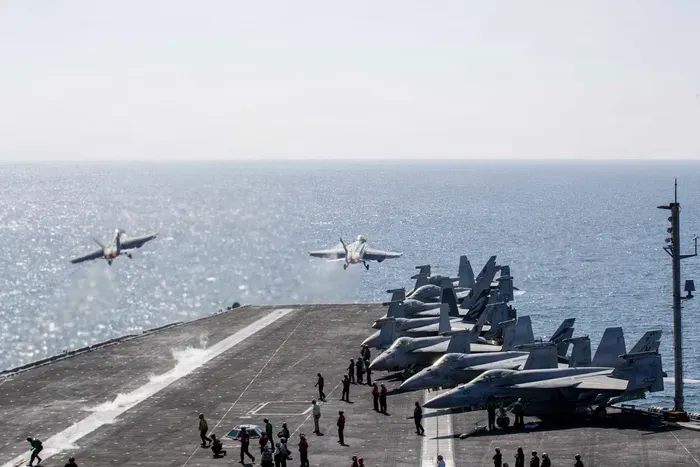
The tension is a living thing. You can feel it in the shipping lanes where Western destroyers shadow Iranian patrol boats. One wrong move, one nervous finger on a trigger, and the "blockade" stops being a matter of economics and becomes a matter of fire and steel.
A Dance on the Edge of the Crater
The signals from the Trump camp are carefully calibrated. They suggest a willingness to engage, but they are wrapped in the language of strength. This is a psychological game as much as a political one. By enforcing the blockade "fully" at the same moment he mentions talks, Trump is attempting to frame himself as the only person capable of resolving the very crisis his policy intensified.
It is a high-wire act.
If the blockade is too effective, it could trigger a "nothing left to lose" mentality in Tehran. If the Iranian leadership feels they are being backed into a corner with no exit, they might lash out at the very oil infrastructure the rest of the world relies on—the refineries in Saudi Arabia or the tankers of other nations passing through the Strait.
But the gamble is that the Iranian economy is tired. The people are tired. The leadership, beneath the fiery speeches, is looking for a way to stop the bleeding without losing face.
The Silence of the Docks
There is a specific kind of quiet that settles over a blockaded port. It is different from the quiet of a holiday or a sleeping city. It is the heavy, expectant silence of a factory that has run out of raw materials.
At Bandar Abbas, the cranes stand like frozen skeletons against the sunset. The rust continues its slow, orange feast on the hulls of the ships that cannot leave. Thousands of miles away, in air-conditioned rooms with mahogany tables, men in suits are deciding whether this silence will be broken by the sound of pens signing a new treaty or the roar of engines going to war.
The blockade is a wall, yes. But a wall can also be a table, if both sides are willing to sit at it. For now, the U.S. is betting that the wall is high enough and the room is small enough that the only way out is through a door that Washington holds the key to.
Arash, the captain, looks out at the water. He doesn't care about the JCPOA or the polling numbers in Pennsylvania. He cares about the way the salt air is eating his ship and the way his daughter's voice sounded on the satellite phone when she asked when he was coming home. He is a pawn in a game of grandmasters, waiting for a move that hasn't been made yet.
The sun dips below the horizon, turning the Gulf into a sheet of hammered gold. It looks peaceful. It looks open. But the satellites are still watching, the banks are still closed, and the wall remains standing, invisible and absolute, in the middle of the sea.