Privacy is a disappearing luxury in crowded urban centers. Just recently, a man in Hong Kong was arrested on suspicion of taking upskirt images of a female shopper. This isn't just a one-off news blurb. It's a reflection of a persistent, systemic problem in high-traffic retail hubs like Causeway Bay and Tsim Sha Tsui. When you’re navigating a packed mall, the last thing you should worry about is someone using a smartphone as a weapon against your dignity.
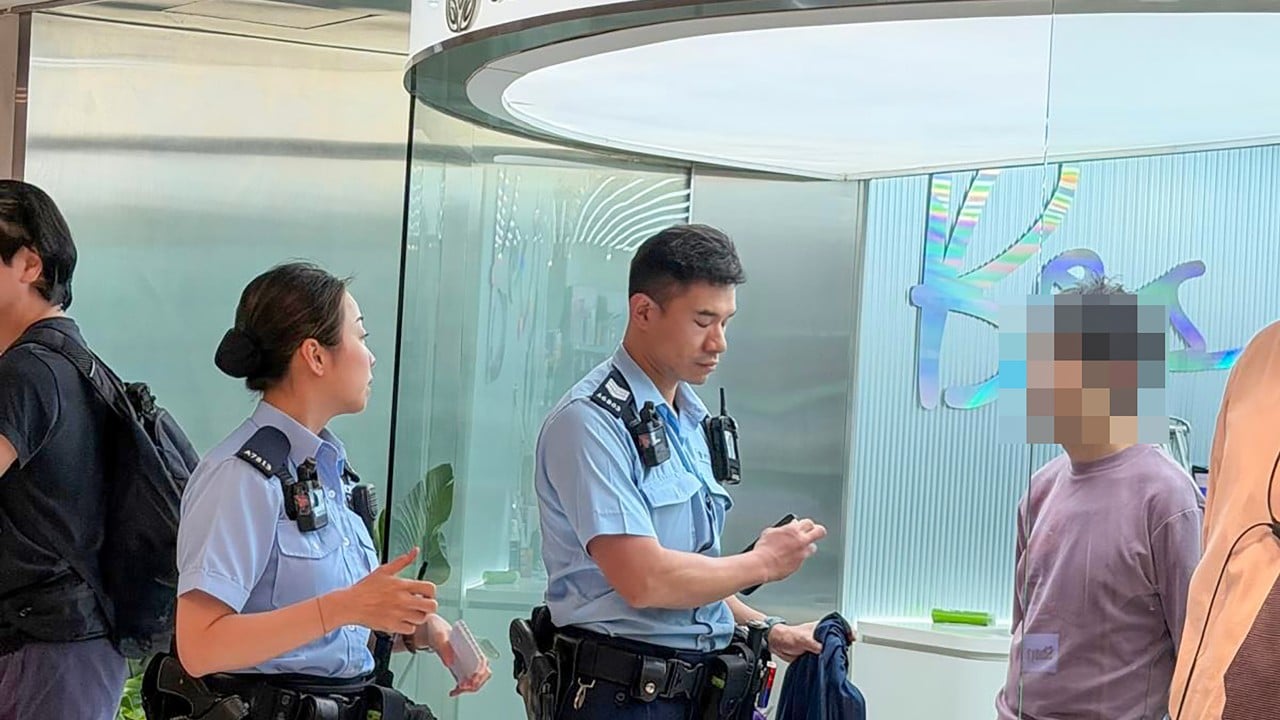
The suspect, a 30-year-old man, was intercepted by officers after they spotted suspicious behavior near a shopping mall. Police found several illicit photos on his device. This specific arrest highlights a sharp reality about Hong Kong's legal system. For years, the city lacked a specific "voyeurism" law, often relying on "outraging public decency" or "disorderly conduct" to prosecute these crimes. That changed recently, but the arrests keep climbing.
Why Upskirt Crimes Still Plague Hong Kong Shopping Districts
It’s about the environment. Hong Kong is built vertically. Narrow escalators, glass-walled malls, and extreme density create a playground for voyeurs. Most people are glued to their own phones. They don’t notice the person standing a bit too close on the MTR or lingering behind them at a clothing rack.
The psychology here is grim. These offenders often aren't career criminals in the traditional sense. They're often "ordinary" people who think they won't get caught because the act is so fast. It takes two seconds. A quick tilt of the wrist, a silent shutter, and they disappear into the crowd.
But the police have stepped up. The "Railway District" police and plainclothes units are now trained specifically to spot "scanning" behaviors. They look for men who aren't looking at shop windows or their own screens, but are instead positioning themselves strategically in transit zones.
The Law Finally Caught Up
Before 2021, the legal path to punishing an upskirt offender was a mess. Prosecutors had to jump through hoops. Now, the Crimes (Amendment) Ordinance 2021 has made voyeurism and non-consensual photography of intimate parts a specific offense.
If you're caught, you're looking at a maximum of five years in prison. That’s a massive jump from the days when offenders might get away with a fine or a slap on the wrist for "disturbing the peace." The law now covers:
- Voyeurism (observing or recording for sexual gratification).
- Non-consensual photography of intimate parts (the "upskirt" specific clause).
- Publication of such images.
This change wasn't just about punishment. It was about validation for the victims. For decades, many women didn't report these incidents because they felt the police couldn't do much. They weren't wrong. The old laws were relics of a pre-smartphone era. Now, the legal framework actually mirrors the technology being used.
The Role of Bystander Intervention
Most of these arrests happen because of two things: undercover police or a brave bystander. Honestly, relying on the victim to catch the offender is a tall order. Usually, the victim doesn't even know it happened until someone points it out.
If you see someone holding a phone at a weird angle—maybe too low, or tucked into a shopping bag—say something. You don't have to tackle them. Just making it known that you're watching is often enough to stop the act. In the recent arrest case, the police were already on high alert, but many successful interventions start with a "Hey, what are you doing?" from a fellow shopper.
Malls have a responsibility here too. We see "Beware of Pickpockets" signs everywhere. Why don't we see more signage regarding digital privacy? Some malls have started frosting the glass on their higher-level walkways. It’s a start, but it's not enough when the primary tool is a handheld device in a crowded elevator.
What to Do If You Suspect You’re a Victim
Don't delete anything if you manage to grab the offender's phone. That’s your evidence. Obviously, your safety comes first. If you’re in a crowded area, shout. It sounds old-school, but noise is a voyeur's worst enemy. They rely on the "polite" silence of a crowd to escape.
- Call for security immediately. Don't wait until you get home to think about it.
- Locate witnesses. If someone saw the phone's position, get their contact info.
- Report to the police. Even if the guy ran off, mall CCTV can often track his exit path and Octopus card usage.
The man arrested in this latest case is currently being held for investigation. The police are likely scanning his hard drives to see if this was an isolated incident or if he’s part of a larger network. There’s a dark underbelly of "upskirt forums" where these images are traded. Breaking one case can often lead to shutting down a digital hub of illegal content.
Breaking the Cycle of Privacy Violations
We need to stop treating this as a "minor" annoyance. It’s a predatory sex crime. The trauma of having your privacy violated in a public space lingers. It changes how you dress, how you walk, and how comfortable you feel in your own city.
The Hong Kong Police Force has indicated they will continue "high-profile patrols" in shopping areas. This is good, but it's a bandage. The real shift happens when the social cost of being caught becomes too high to risk. Five years in a cell is a good start.
Stay aware of your surroundings, especially on long escalators or when bending down in retail stores. If you see something that looks off, it probably is. The era of letting these "creepers" slide by must end. Use the tools available—both the law and your own voice—to keep public spaces actually public, not predatory.