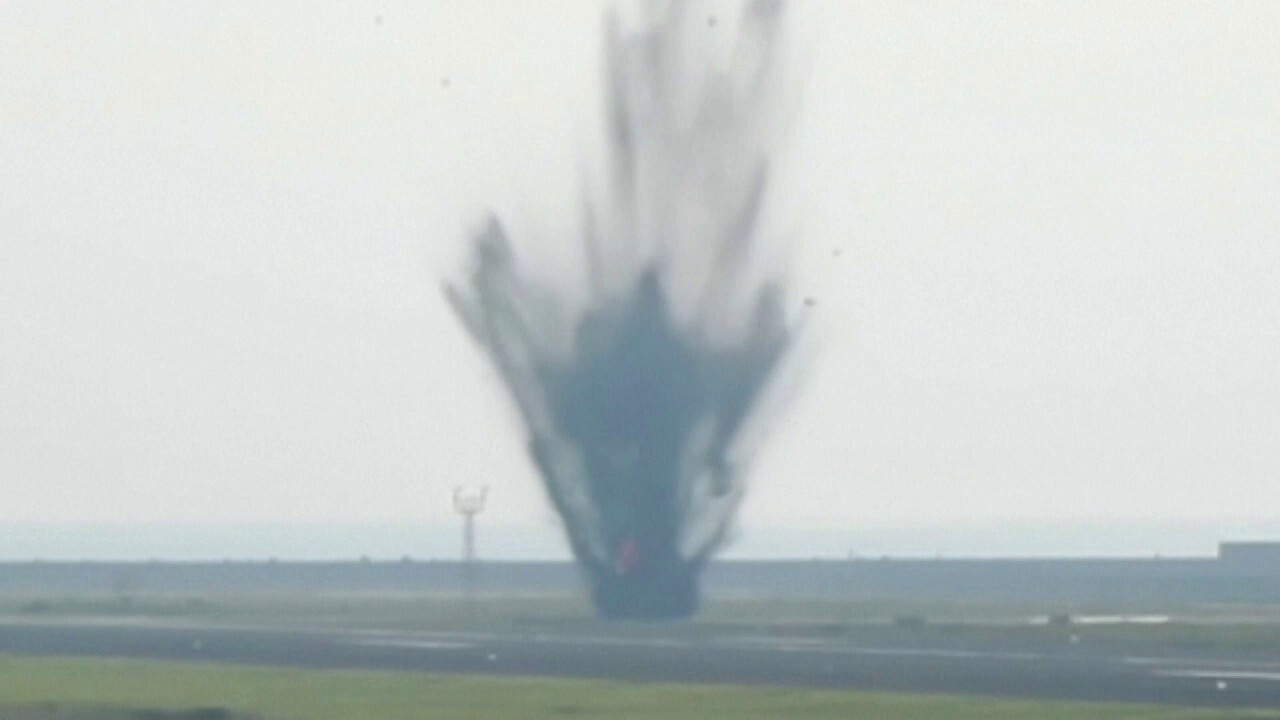
The discovery of "explosives of devastating power" near the gas pipeline connecting Serbia and Hungary isn't just a police report. It's a massive geopolitical alarm bell. On April 5, 2026, Serbian authorities uncovered two backpacks packed with explosives and detonators in Kanjiza, just a few hundred meters from the Balkan Stream. This isn't some remote stretch of pipe; it’s the lifeblood of Hungary’s energy security.
If you think this is just a local security lapse, you're missing the bigger picture. This incident happened exactly one week before Hungary’s national elections on April 12. Prime Minister Viktor Orban has already convened an emergency defense council. The timing is so precise it's almost theatrical, leading to a storm of accusations ranging from genuine sabotage attempts to orchestrated political theater.
The Strategic Importance of the Balkan Stream
The Balkan Stream is an extension of TurkStream. It carries Russian gas through Turkey and Bulgaria into Serbia and Hungary. For Orban, this pipeline is the only reason Hungary hasn't collapsed under the weight of European energy sanctions. While the rest of the EU tries to pivot away from Moscow, Hungary has doubled down, importing roughly six million cubic meters of gas daily at prices far below the market average.
I’ve seen how these energy dependencies work. When a state relies on a single thread for its heating and industry, that thread becomes a target. Orban has spent months warning that if the Nord Stream pipeline could be sabotaged in the Baltic, the southern routes are next. Now, he has "proof."
A High Stakes Election Backdrop
You can't talk about these explosives without talking about the polls. Orban’s Fidesz party is currently trailing in a way we haven't seen in over a decade. His critics, including investigative journalist Szabolcs Panyi, are already calling this a "false flag" operation. The theory is simple: if the public is scared enough of a national security threat or an "energy blackout," they'll flock to the strongman who promises stability.
There’s a real sense of deja vu here. Three days before the explosives were found, Russian experts like András Rácz were already predicting a sabotage "event" in Serbia. When a prediction that specific comes true, you have to ask whether it was an intelligence success or a script. Serbian President Aleksandar Vucic says his "intelligence services did a good job," but the lack of immediate arrests or identified suspects keeps the rumor mill spinning at full speed.
The Ukraine Connection and the Oil Feud
The tension between Budapest and Kyiv is at a breaking point. Orban has been accusing Ukraine of intentionally delaying repairs to the Druzhba oil pipeline, which has already choked off Hungary’s oil supply. He’s currently blocking a €90 billion EU loan to Ukraine as leverage.
By finding explosives on a gas pipeline, the narrative shifts from a dispute over repairs to a battle against literal terrorism. It gives Orban a reason to declare a state of emergency. If he does that, the April 12 election could be postponed or heavily restricted. That's a huge move that would fundamentally change the democratic process in Hungary.
What This Means for European Energy
Security forces have blocked roads in northern Serbia, and military investigators are combing the area for more devices. Even if no gas was actually leaked, the psychological damage is done. Energy markets are twitchy. If the Balkan Stream goes down, Hungary has no Plan B.
- Security protocols: Expect massive military presence along the entire length of the pipeline.
- Diplomatic fallout: Relations between Hungary and Ukraine will likely hit a historic low if any "traces" lead back to pro-Ukrainian actors.
- Market volatility: European gas prices, which were stabilizing, are likely to spike as "sabotage" enters the daily lexicon again.
Honestly, the "who" matters less right now than the "what next." Whether this was a genuine attempt by a third party to cripple Hungary’s energy or a calculated move to swing an election, the result is the same: the Balkan Stream is now a front line in a much larger war.
Keep a close eye on the results of the Serbian forensic investigation. If they "discover" documents or specific detonators linked to a foreign power within the next 48 hours, we'll know exactly which way Orban is going to push his campaign. Don't wait for the official press release; watch the troop movements near the border and the rhetoric coming out of the Defense Council. The next few days will determine if Hungary stays on its current path or enters a full-blown security lockdown before the first vote is even cast.