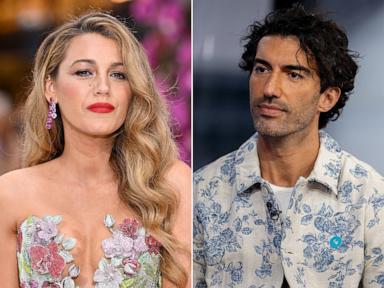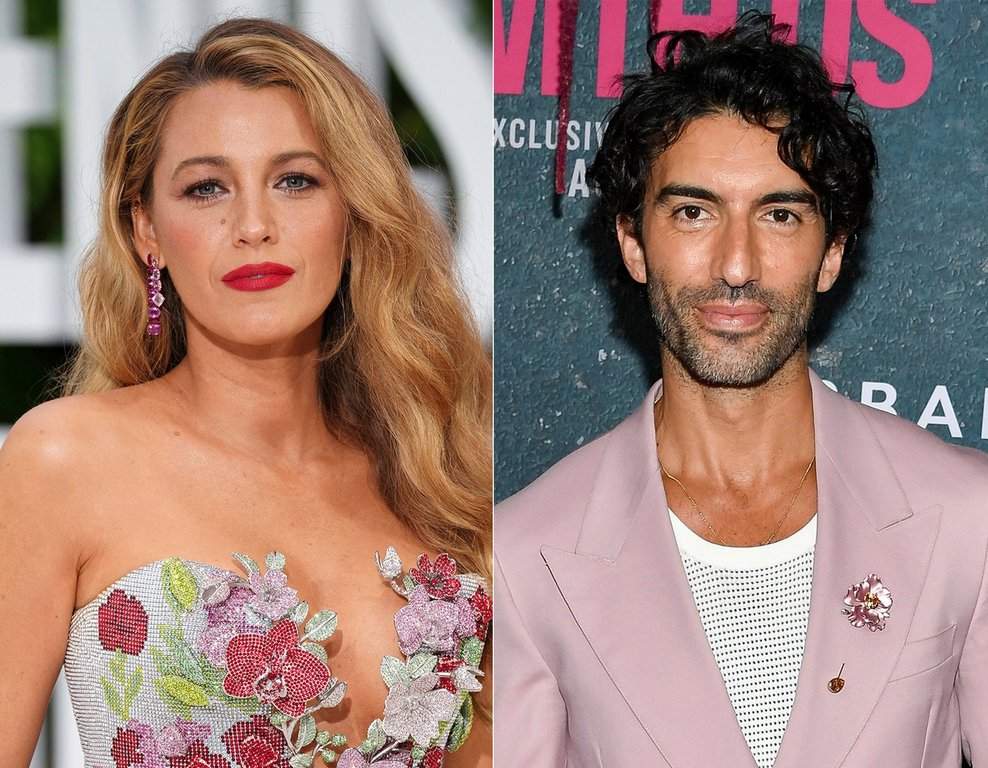
The internal collapse of the It Ends With Us press tour was never just about creative differences or a cold shoulder on a red carpet. It was a systematic breakdown of a multi-million dollar marketing machine. While initial whispers suggested grave allegations of misconduct and sexual harassment against director and star Justin Baldoni, the reality that emerged was far more complex. The claims, which circulated through industry backchannels and strategic leaks, failed to gain legal or professional traction. No formal HR complaints were filed during production, and no litigation followed. What remained was a scorched-earth PR battle that exposed the brutal friction between a traditional director’s vision and the sheer, unstoppable gravity of the Blake Lively brand.
The Myth of the Dismissed Claim
To understand why the narrative of "dismissed claims" took hold, one must look at the vacuum of information created by the film's lead stars. During the height of the film's release, the distance between Lively and Baldoni was not just physical; it was a curated silence. Sources close to the production initially hinted at an "uncomfortable" atmosphere, with specific focus on Baldoni’s conduct during sensitive scenes.
However, the industry term "dismissed" is often used loosely. In this instance, it didn't refer to a judge throwing out a lawsuit. Instead, it described the failure of these accusations to manifest into any actionable internal or external investigation. When the dust settled, the "claims" were revealed as part of a broader friction over creative control. Lively, backed by the influence of her husband Ryan Reynolds, reportedly took significant liberties with the final cut, sidelining Baldoni’s original vision. The friction was real, but the attempt to frame it through the lens of harassment lacked the foundational evidence required to move beyond tabloid speculation.
Power Dynamics and the Reynolds Factor
Hollywood operates on a currency of influence that often bypasses the standard hierarchy of a film set. Normally, the director is the final authority. On It Ends With Us, that hierarchy was inverted. Blake Lively isn't just an actress; she is a lifestyle mogul with a direct line to a massive, loyal audience. When Ryan Reynolds reportedly stepped in to write dialogue for the pivotal rooftop scene, it signaled a total takeover of the creative process.
This intervention created an environment where Baldoni, despite being the director and the person who optioned the book rights, found himself an outsider in his own project. For a veteran analyst, this isn't a new story. It’s the classic "star-driven" production model where the person with the most followers—or the most powerful spouse—effectively becomes the shadow director. The tension resulting from this power grab is often mischaracterized in the press. What looks like a toxic workplace is often just a high-stakes corporate coup played out in costume.
The Marketing Misstep That Backfired
The strategy to market a film about domestic abuse as a "floral, fun summer romance" will be studied in PR crisis management classes for years. Lively’s approach—encouraging fans to "grab your friends and wear your florals"—clashed violently with the source material’s dark themes. This tonal dissonance fueled the public’s willingness to believe the worst about the production's internal state.
- Tonal Mismatch: Promoting a story of survival as a lighthearted romp.
- The Silence Gap: Refusing to acknowledge the director created a mystery that the internet rushed to fill with dark theories.
- Brand Protection: The pivot toward "creative differences" only happened after the harassment narrative failed to stick and began to hurt Lively’s "likable" image.
Baldoni’s decision to hire crisis PR veteran Melissa Nathan was the definitive turning point. It shifted the defense from passive to active. By the time the film hit its second weekend, the narrative had flipped. Baldoni was no longer the villain of the piece; he was the professional who stayed quiet while his lead actress and her husband redesigned the movie behind his back.
The Cost of Creative Incompatibility
The friction on set reportedly centered on two specific incidents involving physical comfort. One involved Baldoni asking about Lively’s weight before a lift scene due to his history of back issues. Another involved a kiss that Lively allegedly felt lingered too long. In a post-industry-reckoning world, these complaints are taken with extreme seriousness. Yet, when vetted by production insiders and legal eyes, they were viewed as interpersonal friction rather than systemic abuse.
The problem arises when legitimate concerns about set safety or comfort are weaponized to win a creative argument. If an actor wants to wrest control of the editing room away from a director, making them appear "difficult" or "problematic" is the fastest way to do it. This is the dark side of the modern set. The lines between a bad day at the office and a hostile work environment are being blurred to serve the interests of those at the top of the call sheet.
Why the Industry Moved On
Sony Pictures and Wayfarer Studios found themselves in a precarious position. The movie was a massive financial success, grossing over $340 million globally. In the cold calculus of the film business, box office numbers forgive almost any sin. The "harassment" angle died because it was no longer useful to anyone. Lively needed to preserve her brand for future projects. Baldoni needed to protect his reputation as a director-for-hire.
The most telling piece of evidence is the total lack of a sequel announcement involving both parties. Despite the book having a popular follow-up, It Starts with Us, the bridge between the lead stars is not just burned; it is vaporized.
Lessons from the Rubble
This wasn't a victory for anyone involved. Baldoni was sidelined from the success of his own film. Lively faced the first major "cancel culture" threat of her career, with fans digging up old interviews to prove a pattern of "mean girl" behavior. The film itself, which should have been a landmark for domestic violence awareness, became a footnote to the drama behind the scenes.
When a project is built on the shaky ground of competing egos, the truth is the first thing to be buried. The "claims" were dismissed not because they were necessarily false in sentiment, but because they were unsustainable in fact. They were the smoke, but the fire was a battle for the soul of the story.
The next time a major production sees its stars and director standing on opposite sides of a red carpet, look past the headlines of "misconduct." Look at the credits. Look at who owns the production company. Look at who has the most to gain from a reputation being dismantled in real-time. Hollywood is a business of perception, and in the case of It Ends With Us, the perception was a carefully crafted weapon that eventually ran out of ammunition.
The real story isn't what was said in the shadows, but what was allowed to happen in the light of day on a professional set where the traditional rules of authority no longer applied. You cannot run a set by committee, and you certainly cannot run it through a PR firm.