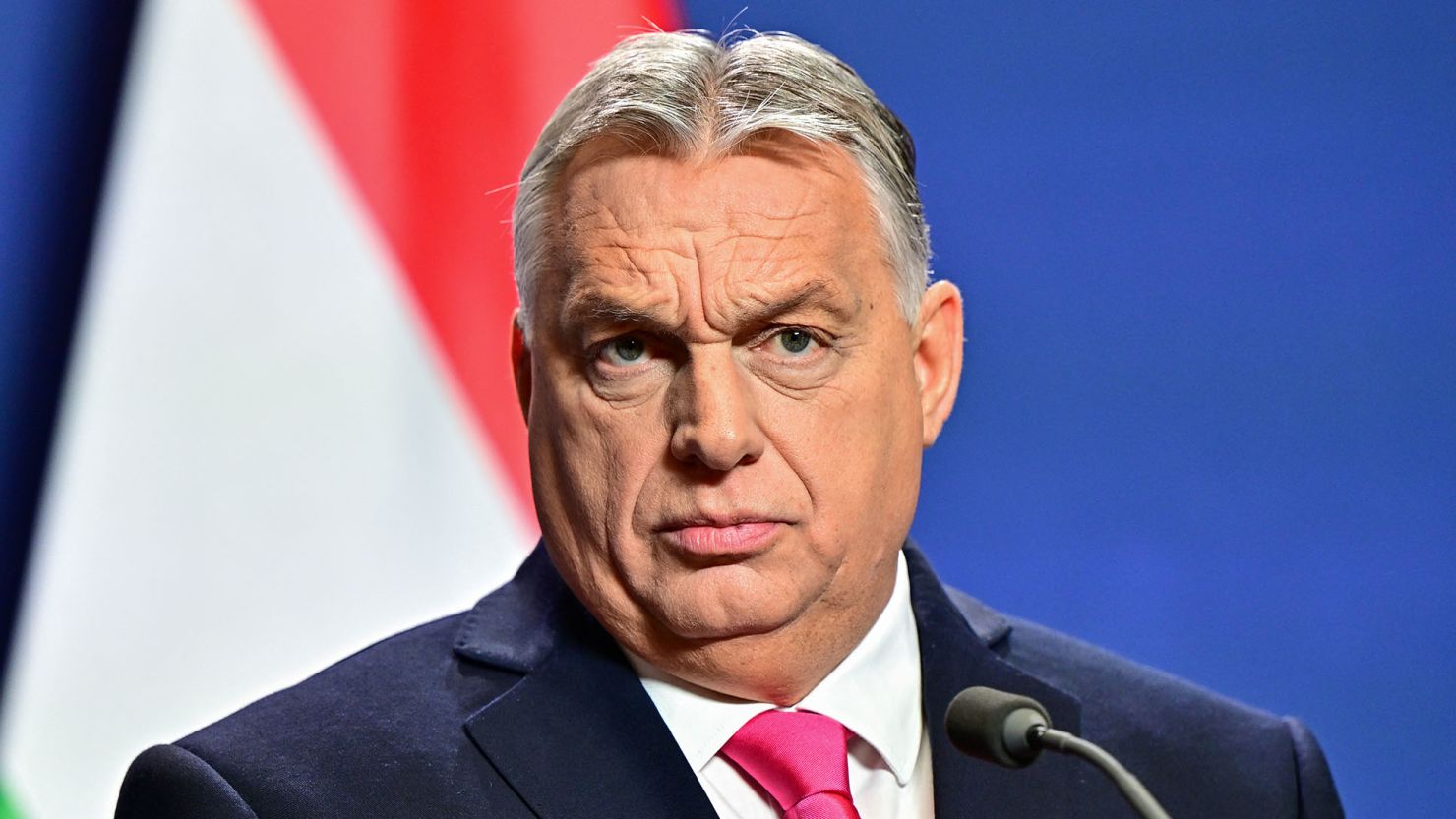
The sixteen-year reign of Viktor Orban has ended not with a whimper, but with a landslide that has fundamentally altered the European political map. On April 12, 2026, Hungarian voters delivered a staggering blow to the Fidesz party, handing a two-thirds supermajority to Peter Magyar and his Tisza Party. This is the first time since 2010 that Orban has not held the levers of power, and the transition marks a sharp pivot from "illiberal democracy" back toward the European mainstream. Magyar, a former Fidesz insider who turned on the establishment following a high-profile corruption scandal, managed to do what the fragmented opposition could not for over a decade: unite the rural heartland with the urban centers.
The Insider Who Broke the Machine
Peter Magyar did not emerge from the traditional activist circles that Fidesz spent years discrediting. He was part of the system. As the former husband of Judit Varga, Orban’s long-time justice minister, Magyar sat in the rooms where decisions were made. His defection was personal, messy, and public. He used his knowledge of the inner workings of the "Ner" (National System of Cooperation) to expose a culture of cronyism that had finally exhausted the patience of the Hungarian electorate.
The turning point was not a single policy, but a collapse in the social contract. For years, Orban promised stability and traditional values in exchange for a tightening grip on the judiciary and media. But by early 2026, record inflation and a crumbling healthcare system—famously personified by hospitals asking patients to bring their own toilet paper—stripped away the veneer of competence. Magyar’s campaign didn't just talk about democracy; it talked about the price of milk and the state of village schools.
Turning the System Against Itself
Orban’s electoral system was designed to be unbeatable. Through heavy gerrymandering and a winner-takes-all logic in individual constituencies, Fidesz had previously converted modest leads into absolute control. Magyar’s genius was in achieving a "critical mass" of support that hit the tipping point of these very laws. By winning over 50% of the popular vote, the Tisza Party didn't just win; they inherited the same supermajority powers Orban used to rewrite the constitution.
This supermajority is a double-edged sword. Magyar now has the legislative power to dismantle the "deep state" of Fidesz-aligned foundations and media conglomerates. However, he also inherits a bureaucracy staffed entirely by loyalists of the previous regime. The challenge is structural. Simply firing every official is impossible without paralyzing the state, yet leaving them in place invites internal sabotage.
A Geopolitical Earthquake
The implications for the European Union and NATO are immediate. Under Orban, Hungary functioned as a frequent veto-player, blocking aid to Ukraine and stalling sanctions against Russia. Magyar has already signaled a reversal of these policies. Within 72 hours of his victory, he initiated talks to lift the Hungarian veto on a massive EU loan package for Kyiv.
- Brussels Relations: Expect an immediate release of frozen EU funds as Magyar implements rule-of-law reforms.
- The Russia Connection: A systematic purge of Russian influence within the Hungarian intelligence services is already underway.
- Regional Power Shifts: The "V4" (Visegrad Four) alliance, which had been fractured by Orban’s pro-Kremlin stance, is likely to find a new, more cohesive footing.
The Deep Roots of the Fidesz Network
It is a mistake to think Orban is truly gone. While he conceded the election with surprising speed on the night of April 12, his influence remains embedded in the country’s economy. Over the last decade, billions in state assets were transferred to private foundations managed by Fidesz loyalists. These entities control everything from major universities to energy infrastructure.
Magyar’s mandate is clear, but his path is obstructed by a legal fortress. He must now navigate a "shadow government" of boards and trustees who hold long-term contracts that are legally difficult to break. This is the real battleground. The victory at the polls was the easy part; the reclamation of the state’s assets will be a grind that lasts years.
High Stakes and High Turnout
The 80% turnout was the highest in Hungary's post-communist history. This wasn't a normal election; it was a national mobilization. Younger voters, who had never known a leader other than Orban, turned out in record numbers to vote for a pro-European future. This demographic shift suggests that the nationalist-populist wave that started in Hungary in 2010 might finally be receding, or at least evolving into something less confrontational.
The new Prime Minister has little time for a honeymoon period. The economic stagnation he criticized during the campaign requires urgent intervention. Investors are watching closely to see if he can stabilize the Forint and repair the relationship with the European Central Bank. If Magyar fails to deliver tangible economic relief by the end of the year, the populist sentiment that propelled Orban for sixteen years could easily resurface.
The era of the "strongman" in Budapest has ended. Whether a new era of stable, transparent governance can actually take root depends entirely on how Magyar uses the absolute power he has just been granted.