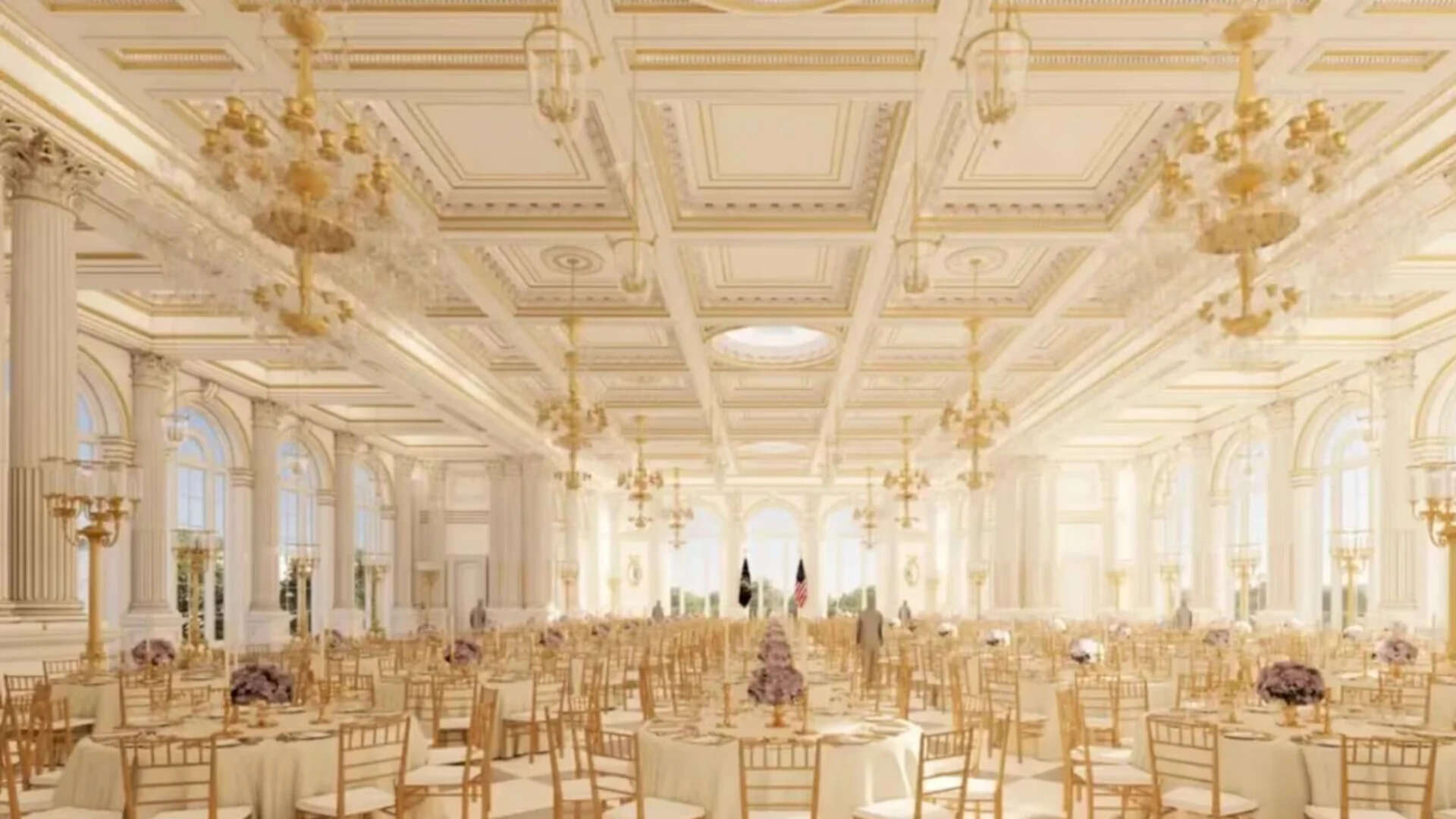
The skyscraper-studded horizon of Dubai usually feels like a different planet. It’s a bubble of glass and steel that seems immune to the gravity of the Middle East's complicated history. Lately, people are asking if that bubble is finally going to pop. With conflict flaring up across the region, the "Dubai Dream"—that specific brand of high-octane capitalism, safety, and luxury—is facing its biggest vibe check in a decade.
But if you walk through Dubai Mall or grab a coffee in Jumeirah today, you won’t see people packing suitcases. You’ll see them buying property.
Dubai has spent decades perfecting the art of being the "neutral ground" of the world. It’s a place where Russian tech bros, Indian industrialists, and European influencers all sit at the same gold-leafed tables. The city doesn't just survive during regional tension; it often grows because of it. When things get shaky elsewhere, capital seeks a quiet harbor. Dubai is that harbor, wrapped in neon lights and air conditioning.
The resilience of a city built on movement
Dubai isn’t a traditional city. It’s a platform. About 90% of the population consists of expats. This creates a unique psychology. Most residents aren’t here for the deep historical roots; they're here for the opportunity. When a war breaks out a few hundred miles away, the first instinct for many outsiders is to assume the city will empty out.
The opposite usually happens.
During the Arab Spring in 2011, Dubai became the safe haven for regional wealth. During the global pandemic, it was one of the first cities to swing its doors open, attracting a new wave of "digital nomads" who realized they could trade a rainy London flat for a villa in the desert. Now, even with geopolitical tensions rising, the influx of people hasn’t stopped. The UAE’s "Golden Visa" program has fundamentally changed the game. People aren't just here on two-year contracts anymore. They’re putting down roots.
You can see this in the real estate numbers. According to data from the Dubai Land Department, 2024 and 2025 saw record-breaking transaction volumes. We aren’t talking about small change. We’re talking about billions of dirhams flowing into off-plan developments. If the "Dubai Dream" were dying, the cranes would stop moving. They haven't.
Why safety is the ultimate luxury
Safety is a boring word until you don’t have it. In Dubai, safety is a product. It’s arguably the city’s most successful export. You can leave your 5,000-dollar MacBook on a cafe table to go to the bathroom and it’ll be there when you get back. For families moving from more volatile parts of the world, that peace of mind is worth more than the tax-free salary.
Critics often point to the proximity of regional conflicts as a deal-breaker. They’re missing the point of how the UAE operates. The country has spent billions on defense and even more on diplomacy. It has positioned itself as the indispensable middleman. By maintaining ties with almost everyone, Dubai ensures its airspace stays open and its ports stay busy.
The shift from temporary to permanent
For a long time, Dubai felt like a transit lounge. You came, you made your money, and you left. That’s not the case anymore. The introduction of long-term residency and the ability to 100% own your business has shifted the mindset.
- Schooling: International schools are at capacity. Parents don't enroll their kids in 12-year education programs if they plan to flee at the first sign of a headline.
- Diversification: The economy isn't just oil and tourism. It’s fintech, AI, and green energy.
- Lifestyle: The "dream" has evolved from just "getting rich" to "living well."
What the skeptics get wrong about the desert
There’s a common narrative that Dubai is a "house of cards." The argument goes that because it’s so dependent on external investment and foreign labor, it can’t handle a sustained shock.
History says otherwise.
Dubai handled the 2008 financial crisis. It handled the 2014 oil price crash. It handled a global pandemic that grounded its world-class airline, Emirates. Each time, the city adjusted. It’s a lean, corporate version of a city-state. If a strategy stops working, they change the law within weeks. That kind of agility is unheard of in Western democracies.
Is there a risk? Of course. Life in the Middle East always carries a "geopolitical tax." But for the people living here, that risk is weighed against the reality of what they have. Most residents I talk to feel safer in Dubai than they do in New York, Paris, or London. The "war" is something they see on social media, not something they feel on the streets of DIFC.
The psychological shield of the expat
There's a specific kind of mental toughness that comes with being an expat in the Gulf. You learn to filter the noise. People here are used to the Western media cycle predicting the "end of Dubai" every few years. After a while, you just stop listening.
You start looking at the ground instead. Are the roads being paved? Yes. Are the new restaurants opening? Every night. Is the internet fast? Some of the fastest in the world. As long as the infrastructure works and the rules remain predictable, the "Dream" stays intact. The war might be a tragedy, but in the cold logic of global economics, it often reinforces why neutral hubs like Dubai are necessary.
The reality of the new Dubai Dream
The dream isn't about Ferraris and gold ATMs anymore. That’s the old cliché. The new dream is about stability in an unstable world. It’s about being in a place that actually functions.
If you’re looking to move or invest, don’t just read the headlines about regional conflict. Look at the flight schedules. Look at the hotel occupancy rates. Look at the sheer number of people moving their families here from "safer" Western countries.
The Dubai Dream isn't just surviving the war. It's thriving because it offers the one thing everyone wants when the world gets messy: a place where life simply goes on.
If you’re skeptical, look at the 10-year growth charts for any major sector in the UAE. The trend line is clear. Bet against the desert if you want, but realize that people have been doing that for fifty years, and they’ve been wrong every single time. Stop waiting for the bubble to burst and start looking at how the city is actually built to withstand the pressure.