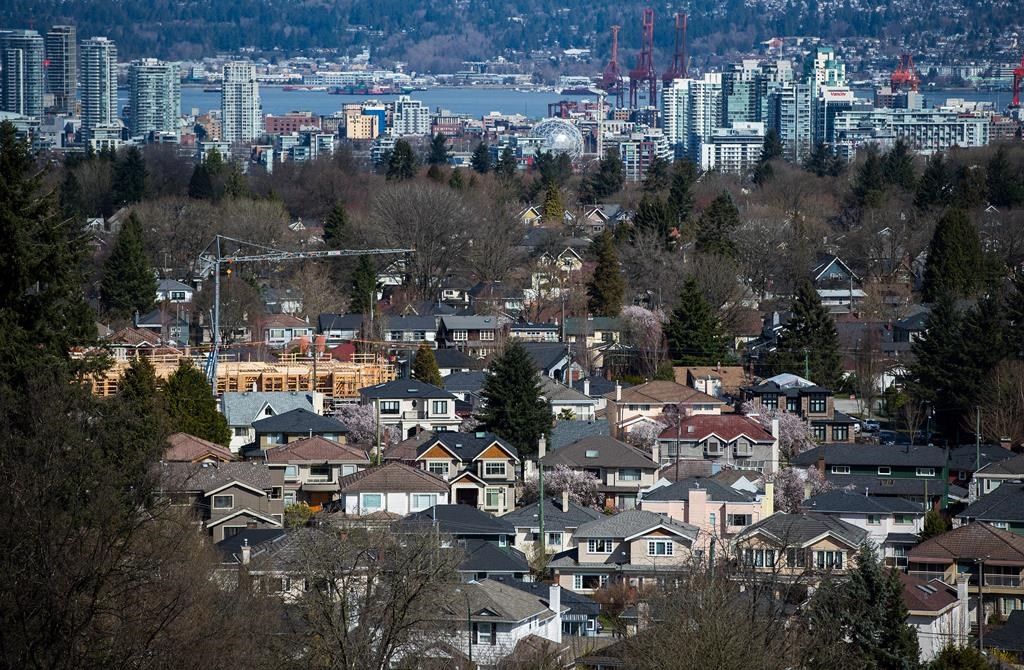
The golden era of flipping paper in Metro Vancouver has hit a wall. For decades, the presale condo was the ultimate wealth hack for the middle class and speculative elite alike—put down a deposit, wait three years, and watch a rising tide of equity do the heavy lifting. But the machinery has seized.
In early 2026, the data confirms what many feared: Metro Vancouver presale activity has cratered, with sales down more than 50 percent from historical norms. Projects that once sold out in a weekend now sit with stagnant inventory for months. The issue isn’t just a lack of buyers; it is a fundamental breakdown in the math that makes these buildings possible.
The Appraisal Gap Nightmare
The most immediate threat to the market is the widening chasm between what buyers promised to pay three years ago and what those units are worth today. We are seeing a brutal "valuation shock" as buildings reach completion.
Consider the "Appraisal Gap," a phenomenon once confined to fringe markets that has now moved into the core. A buyer may have signed a contract in 2023 for a one-bedroom condo at $1,100 per square foot. Fast forward to 2026, and the bank’s appraiser—now far more conservative—values that same unit at $950 per square foot.
The bank will only lend based on the lower number. This leaves the buyer to bridge a six-figure shortfall in cash just to close. Many cannot. When they walk away, they lose their deposits, but the developer is left with "zombie inventory" in a market where secondary prices are falling. This isn't a theoretical risk; it is a systemic liquidation.
Why the Math No Longer Works
Developers are caught in a pincer movement. On one side, the cost to build remains stubbornly high. Labor shortages haven't eased, and the price of materials, though off their pandemic peaks, remains historically elevated. On the other side, government fees and the recent 2026 provincial budget increases have added new layers of "soft costs" that cannot be ignored.
The 2026 increase in the Speculation and Vacancy Tax—now reaching 4 percent for foreign owners—has effectively sterilized the international buyer pool. While the policy intended to prioritize local residents, it ignored a harsh reality: many large-scale high-density projects require the "fast capital" of investors to meet the 60 to 70 percent presale threshold required for construction financing.
Without those early "paper" sales, the shovel never hits the dirt. We are seeing a record number of project postponements and outright cancellations across Burnaby, Surrey, and the Broadway Corridor.
The Ghost of 2010
Industry veterans are feeling a sense of déjà vu. The current environment mirrors the post-2010 slump, but with higher stakes. In 2026, the Bank of Canada has held rates near 2.5 percent, a significant drop from the 2023 peaks, but the "psychological floor" has dropped even faster.
Buyers have realized that the "new build premium"—the extra cost paid for a brand-new unit—has grown too large. When a five-year-old condo down the street sells for 20 percent less than a presale unit finishing in 2029, the incentive to wait vanishes.
Secondary Market Contagion
The rot in the presale sector is beginning to bleed into the resale market. As developers offer desperate incentives—5 percent deposits, decorating allowances, or two years of covered strata fees—they are effectively competing with their own previous buyers.
This creates a downward price spiral. If a developer slashes prices on remaining units in a building to secure their final financing, every existing owner in that building sees their equity evaporate instantly.
The Supply Lag Time Bomb
The real crisis isn't what is happening today, but what will happen in 2029. Because the projects failing to launch today represent the housing supply of the late 2020s, we are effectively baking in a massive supply shortage three years from now.
Policymakers are focused on demand-side taxes, but the "starts" data is the metric that matters. Housing starts in British Columbia are projected to drop to historically weak levels by the end of this year. We are trading a short-term price correction for a long-term inventory catastrophe.
The Survival Strategy for Buyers
For those still looking at the presale market, the leverage has shifted entirely. The days of "take it or leave it" contracts are gone.
Buyers now have the standing to demand:
- Extended rescission periods beyond the statutory minimum.
- Capped levies to ensure closing costs don't balloon.
- Assignment rights without the predatory 3 percent fees common in 2021.
The market is no longer about growth; it is about risk mitigation. If a project hasn't broken ground yet, the risk of cancellation is the highest it has been in two decades. In this environment, the "brand" of the developer matters less than their balance sheet.
Vancouver real estate was once a bet on the inevitable. In 2026, it has become a calculation of the improbable. The dream of the easy flip is dead, replaced by the cold reality of a market that has finally found its limit.
Stop looking for the bottom; look for the projects that can actually afford to finish.


