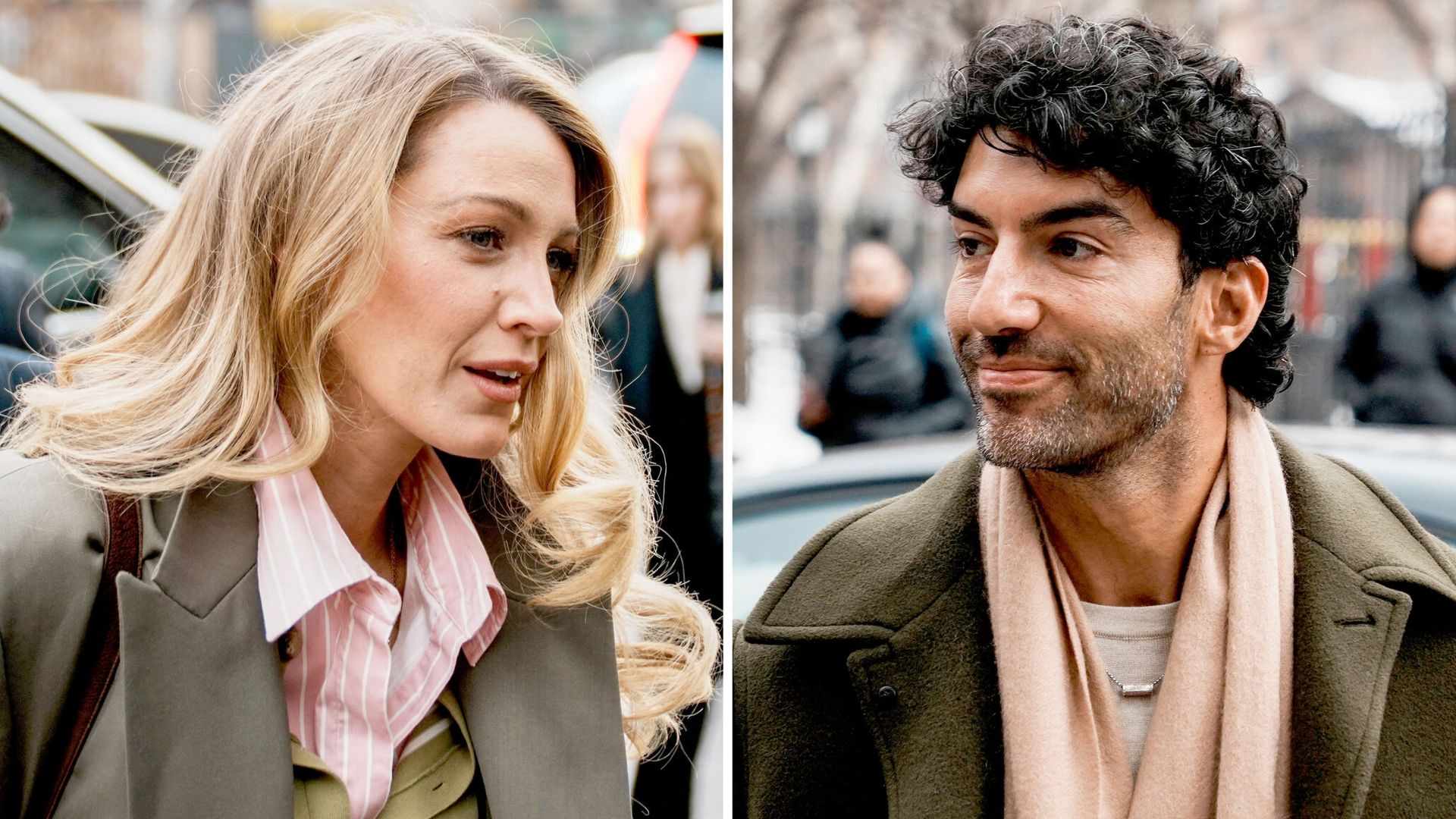
The headlines are predictable. They focus on the gavel. They fixate on the dismissal of Blake Lively’s sexual harassment claims against a co-star as if the legal system is the ultimate arbiter of truth in Hollywood. It isn’t. It’s a crude tool for a nuanced industry, and the dismissal of these claims is less about a lack of merit and more about the systemic failure of how we define "hostile work environments" in creative spaces.
The industry is obsessed with the outcome of the lawsuit. They are asking: Did he do it? The better question—the one nobody wants to touch—is: Why is the set of a multi-million dollar production still a Wild West where boundaries are treated as suggestions and HR is a myth? Expanding on this topic, you can find more in: How The Pitt Finally Gets the Chaos of Psychosis Right.
The Fallacy of the Objective Set
The common consensus is that a film set is just another office. It’s not. In an office, if a colleague insists on hugging you or makes suggestive remarks about your appearance under the guise of "character development," you go to HR. In Hollywood, that behavior is often protected by the shield of "artistic process."
When a judge dismisses a claim, the public assumes the behavior didn't happen. That is a dangerous misunderstanding of how the law works. Legal dismissal often hinges on "sufficiency of evidence" or whether the conduct meets a specific, rigid threshold of "pervasive and severe." In the context of an intense, three-month film shoot, "pervasive" is a moving target. Analysts at Rolling Stone have also weighed in on this matter.
I’ve sat in production meetings where behavior that would get a mid-level manager fired in Scranton is laughed off as "method acting" or "creative tension." The court system is designed to handle static environments. It is fundamentally unequipped to police the fluid, high-pressure, and often blurred lines of a film set. By relying on judges to validate or invalidate the experiences of actors, we are outsourcing our industry's ethics to people who don't understand how a call sheet works.
Power Dynamics Are Not a Trend
The dismissal of Lively’s claims will be weaponized by those who want to claim the pendulum has swung too far. They’ll say the "Me Too" era has resulted in a "witch hunt."
Wrong.
The power imbalance on a set is baked into the budget. When you have a "star" versus a "co-star," or a "producer-actor" versus a "hired gun," the lines of consent are already compromised. The legal system looks for a smoking gun. It looks for the physical touch or the explicit threat. It rarely accounts for the "implied consequence"—the knowledge that if you kick up a fuss, you’re labeled "difficult," your scenes are trimmed in the edit, and your career trajectory hits a brick wall.
Lively isn't just an actress; she's a brand. When someone of her stature finds their claims dismissed, it sends a chilling message to every person below her on the call sheet. If the "A-list" can’t find a legal remedy for what they perceive as harassment, what chance does a craft services assistant or a background player have?
The Myth of the Neutral Co-Star
We need to stop pretending that every dismissal is a victory for "the truth." Sometimes, it’s just a victory for the person with the better contract.
In many of these cases, the defense isn't that the behavior didn't occur. The defense is that the behavior was consented to by virtue of the job description. This is the "it's in the script" defense. It’s a legal loophole that allows for a staggering amount of professional sabotage.
Imagine a scenario where a lead actor uses their influence to gaslight a colleague, undermining their performance and making the environment unbearable, all while staying just inside the lines of "professionalism." The law sees no crime there. The industry sees "artistic differences." But the victim sees a career being dismantled in real-time.
We are currently operating under a system of legalized harassment. If you can frame your predatory behavior as an "acting choice," you are virtually untouchable in a court of law. This isn't a win for justice; it's a manual for how to be a nightmare on set without getting sued.
Stop Looking for Heroes
The fanbases are already picking sides. One camp treats Lively as a martyr; the other treats the co-star as a victim of a sensitive culture. Both are wrong.
This isn't a superhero movie. There are no clean endings. The dismissal of a lawsuit doesn't mean a relationship wasn't toxic. It doesn't mean a set wasn't a disaster. It simply means that the specific, narrow definitions of the law were not met.
The entertainment industry uses these dismissals to wash its hands of responsibility. "The court has spoken," they’ll say, before heading back to a set where the same power dynamics remain entirely unchecked.
If we want to actually "fix" Hollywood, we have to stop waiting for judges to do the work. We need:
- Mandatory, Third-Party Intimacy and Conduct Monitors: Not HR reps who report to the studio, but independent contractors with the power to shut down a set.
- Contractual Clarity on "Method" Limits: We need to codify exactly where "staying in character" ends and workplace harassment begins.
- An End to the "Difficult" Label: We need to stop punishing actors—especially women—who report discomfort.
The legal dismissal of Blake Lively’s claims isn't the end of the story. It’s a glaring indictment of an industry that would rather hide behind a judge’s robe than look in the mirror and admit its fundamental structure is broken.
The real scandal isn't whether the claims were true. The real scandal is that we’ve built a system where the truth is irrelevant as long as the movie makes its release date.
Stop cheering for the "win." Start looking at the wreckage.


