The "survival guide" is a lie.
Every year, the same recycled listicles hit the internet. They tell you to hydrate. They tell you to wear sunscreen. They suggest a "chic" pair of boots that will inevitably give you blisters by sunset. They treat Coachella like a rugged expedition into the unknown rather than what it actually is: a highly sanitized, $600-per-ticket content farm designed to harvest your data and your dignity.
If you are looking for a schedule of the Ferris wheel rotations or a list of "must-see" indie bands, go back to the glossy magazines. They’ll sell you the dream. I’m here to tell you why that dream is a nightmare of logistics and why the "thriving" part of Coachella has nothing to do with the music.
The Myth of the Discovery Experience
The biggest deception the festival industry maintains is the idea of musical discovery. In 2026, nobody "discovers" a band at Coachella. By the time an artist hits the Gobi or Mojave stage, they have already been vetted by TikTok algorithms and Spotify editorial playlists.
The lineup is no longer a curation of taste; it is a live-action representation of an Excel spreadsheet. Goldenvoice isn't booking for artistic cohesion. They are booking to satisfy demographic clusters. You aren't there to hear new sounds; you’re there to validate your existing digital consumption habits.
In the past, the Sahara tent was a sweaty, dangerous haven for electronic subcultures. Now, it’s a high-definition backdrop for influencers who couldn't tell the difference between a house beat and a heart attack. The music is the background noise for the real headliner: the ego.
The Influencer Industrial Complex
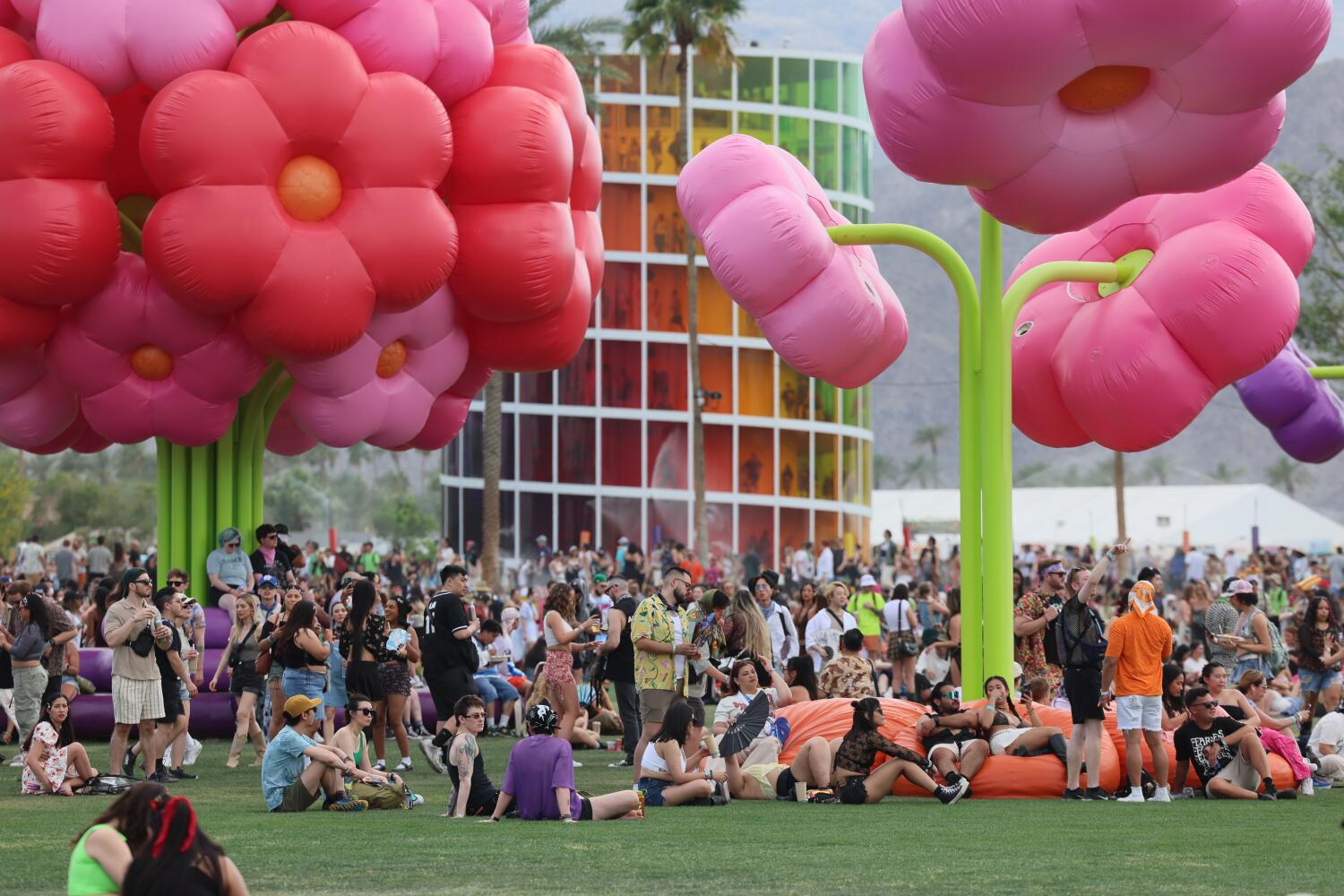
Let’s talk about the "survive and thrive" narrative. To the average attendee, "thriving" means getting a photo in front of the Spectra tower that gets more than 500 likes.
The festival has transitioned from an event into a backdrop. We have reached a point where the production value of the VIP areas exceeds the production value of the actual stages. Why? Because that’s where the money is.
I have watched brands spend seven figures on "activations"—a word that should be banned from the English language—just to ensure a specific subset of people with high follower counts are seen holding a specific type of flavored seltzer. If you are paying for a General Admission ticket, you aren't the customer. You are the atmosphere. You are the unpaid extra in a three-day-long commercial for fast fashion and crypto-remnants.
The Logistics of Despair
The "guides" never mention the math of the misery. Let’s break it down.
- The Travel Tax: Whether you’re staying in Palm Springs or camping, you will spend at least four hours a day in transit or in line.
- The Hydration Scam: They tell you to drink water, then charge you $11 for a bottle that’s lukewarm by the time you leave the stall.
- The Sound Bleed: The stages are packed so tightly that unless you are in the front three rows, you are listening to a chaotic mashup of a K-Pop bridge and a bass-heavy techno drop from 200 yards away.
Imagine a scenario where you paid $1,500 for a weekend at a theme park where 80% of your time was spent standing on hot dirt, and the main attraction was a 50-minute set by an artist who is clearly lip-syncing to a backing track because the desert wind ruins the acoustics. You’d demand a refund. At Coachella, you call it "magic."
Why the Livestream is the Only Rational Choice
The competitor pieces will tell you that "watching from home" is the runner-up prize. They’re wrong. Watching the YouTube livestream is the superior, elite way to experience Coachella.
At home, you have:
- Direct Audio Feeds: No wind interference. No screaming teenagers. Just the actual output from the soundboard.
- Multi-Cam Direction: You actually see the performer’s face, not a tiny speck on a screen three football fields away.
- Zero Opportunity Cost: You can switch between stages in 0.5 seconds. In person, moving from the Outdoor Theatre to the Main Stage during a crowd surge is a 20-minute physical battle.
The "FOMO" (Fear Of Missing Out) that drives ticket sales is a manufactured psychological product. You aren't missing out on a cultural moment; you’re missing out on the dust-induced sinus infection that veterans call "Coachella Cough."
The Death of the Counter-Culture
The most offensive part of the modern festival "survival" guide is the pretense that this is still a counter-cultural event. Coachella was born from Pearl Jam’s fight against Ticketmaster. It was an act of defiance.
Today, it is the peak of the establishment. It is the most corporate-sanctioned "rebellion" on the planet. When you see a "Boho-chic" outfit that costs more than a month’s rent, realize that you are looking at the death of the aesthetic it’s trying to mimic.
True "thriving" at a music festival requires spontaneity, grit, and a lack of ego. Coachella has optimized all three of those things out of existence. It is a sterile, controlled environment where even the "random" moments are often scripted by PR agencies.
Stop Asking How to Survive
If you need a guide to "survive" a music festival, you shouldn't go.
The very premise of these articles—how to navigate the crowds, how to find the "secret" bars, how to coordinate outfits—proves that the event is no longer about the joy of the experience. It’s about managing the stress of a logistical nightmare.
We have turned leisure into labor. We have turned art into an asset class.
If you want to actually hear music, go to a dive bar in East LA or a warehouse in Brooklyn. If you want to see the desert, go to Joshua Tree on a Tuesday when the influencers are back at their desks.
But if you insist on going to Indio, stop pretending it’s a pilgrimage. Admit it’s a photo op. Buy your $20 spicy pie, stand in your two-hour shuttle line, and take your photos. Just don't call it a festival.
It’s a trade show. And you are the product.