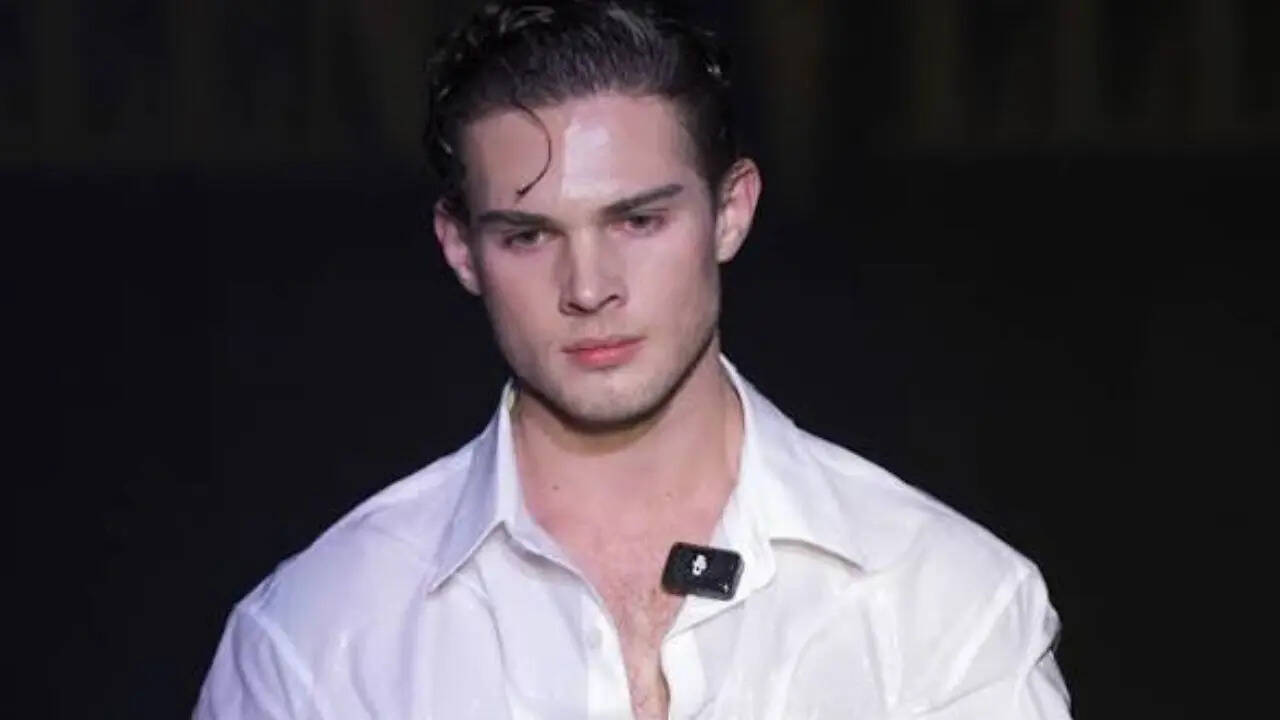
Clavicular is currently the poster child for everything wrong with the attention economy on Kick. After a terrifying medical emergency that played out for thousands of viewers, the streamer didn't take a week off to recover or reflect. He didn't even issue a standard corporate apology. Instead, he showed up at a high-profile club launch and effectively ghosted the hardest questions about his recent behavior. When Charleston White—a man who isn't exactly known for his subtlety—asked about the "overdose" stunt, Clavicular went silent.
It's a bizarre moment in streaming history. You have a young creator who was literally in a hospital bed days ago, now rubbing shoulders with influencers while dodging accountability for what many believe was a faked or grossly exaggerated medical crisis. This isn't just about one guy's bad decisions. It's about the platform's culture and the lengths people go for a spike in the "viewers" column.
The stunt that went too far
Last week, the internet watched in real-time as Clavicular appeared to suffer a severe medical episode during a live broadcast. The footage was harrowing. He looked unresponsive. People in the chat were calling emergency services. It had all the hallmarks of a genuine tragedy unfolding in the digital age.
But then the skepticism started.
Almost as soon as he was discharged, Clavicular was back in the mix. The timeline for his "recovery" didn't match the severity of what was shown on screen. Fans and critics alike began to suspect the entire event was a staged overdose designed to generate clips and headlines. If it was fake, it's a disgusting manipulation of his audience's empathy. If it was real, his return to the nightlife scene within 72 hours is a different kind of terrifying.
Charleston White enters the chat
The confrontation happened at a star-studded club opening. Charleston White is many things—provocateur, loudmouth, and professional agitator—but he's also someone who smells a fake from a mile away. When he caught up with Clavicular, he didn't stick to the script. He asked point-blank about the incident and whether it was all a ruse for clout.
Clavicular's reaction told the whole story. He didn't defend himself. He didn't explain the medical reality. He dodged. He pivoted. He looked like someone who hadn't rehearsed an answer for someone who actually has the guts to ask the question to his face.
The silence was deafening. In the world of Kick, where "keeping it real" is supposed to be the gold standard, Clavicular’s inability to address the elephant in the room was a massive red flag. You can't broadcast your near-death experience to the world and then demand privacy when people ask if you were lying.
Why Kick streamers feel invincible
There's a specific kind of lawlessness on Kick that you don't find on Twitch or YouTube. The moderation is lighter. The "IRL" (In Real Life) streaming category is a literal Wild West. Streamers know that controversy equals cash.
The incentive structure is broken. When a streamer does something "viral"—even if it's dangerous or unethical—their sub count usually goes up. They get invited to more events. They get more eyes on their content. Clavicular is just playing the game, but he's playing it with his life, or at least the appearance of it.
I've seen this cycle before. A streamer pushes the envelope, the community gets outraged, and the streamer uses that outrage to fuel their next stream. It's a closed loop. By dodging Charleston White's question, Clavicular tried to have it both ways. He wants the fame from the "stunt" without the scrutiny that comes with it.
The ethics of the clout chase
We need to talk about the viewers here. If you're watching a stream where someone is potentially dying and your first instinct is to spam emotes, the problem isn't just the streamer. We've become desensitized to human suffering because everything is framed as "content."
Clavicular’s "overdose" incident, whether real or staged, is a peak example of this rot. If he faked it, he's mocking millions who struggle with substance abuse. If he didn't fake it, he's a young man in the middle of a health crisis being exploited by a system that demands he stay online to stay relevant.
Neither option is good.
What happens when the cameras turn off
The club launch was supposed to be a victory lap. Instead, it became a awkward reminder that the digital world and the real world eventually collide. You can hide behind a green screen or a moderated chat, but you can't hide from a guy with a microphone in a VIP section.
Clavicular is currently walking a thin line. He's young, he's suddenly "famous," and he's surrounded by people who care more about his metrics than his pulse. If he keeps dodging the truth about the hospital incident, the community will eventually turn. Fame built on a lie is a house of cards.
If you're following this saga, pay attention to the silence. Don't look at the flashy lights of the club or the high-energy clips. Look at the moments where these creators are asked to be human and fail. That's where the real story is.
The next move for Clavicular isn't another stream. It's an honest conversation. But in an industry that rewards the loudest liar, honesty is a hard sell. He’ll likely keep streaming, keep dodging, and keep chasing the next high-stakes moment until the audience finds someone even more reckless to watch.
Stop rewarding the fake crises. Demand better from the people you spend your time watching. If a streamer thinks their life is a prop for your entertainment, they've already lost the plot. Turn off the stream when it gets toxic. It's the only way the cycle actually breaks.
:max_bytes(150000):strip_icc()/GettyImages-2196779444-6b5be6c886de49028433fc0bed3f2a4f.jpg)