The Drax Power Station in North Yorkshire transitioned from the UK’s largest coal plant to a biomass-dominated facility by exploiting a specific regulatory loophole: the classification of wood pellets as a carbon-neutral energy source. While the reported £999 million in 2025 subsidies signals a record-breaking financial extraction from the UK's Renewable Obligation (RO) and Contracts for Difference (CfD) schemes, the figure itself is a symptom of a deeper structural misalignment between fiscal incentives and carbon-cycle physics. Understanding the Drax model requires a clinical examination of the "biomass accounting paradox" and the specific mechanical drivers that allow a utility to secure nearly £1 billion in annual public funding while operating a process that emits more $CO_{2}$ at the stack than the coal it replaced.
The Tri-Pillar Architecture of Biomass Subsidies
The financial viability of Drax rests on three distinct regulatory pillars. Without these, the cost of procurement, processing, and trans-Atlantic logistics for wood pellets would render the facility a stranded asset.
- Direct Revenue Support (CfD and RO): Drax operates under two primary mechanisms. The Renewables Obligation requires suppliers to source a proportion of electricity from renewable sources or pay a penalty; Drax generates "RO Certificates" (ROCs) for each megawatt-hour produced. The newer Contracts for Difference mechanism guarantees a "strike price," shielding the company from market volatility. When market prices are low, the government tops up the revenue; when they are high, Drax technically owes the difference, though the 2025 record spend suggests the strike price remains significantly decoupled from the true social cost of carbon.
- Carbon Tax Exemptions: Under the UK’s Emission Trading Scheme (ETS), biomass is assigned a zero-rating for carbon emissions. This is a crucial accounting maneuver. While the physical chimney emits roughly 120% of the $CO_{2}$ of coal per unit of energy produced, the law assumes that new tree growth will sequester that carbon over a 50-to-100-year horizon. This creates an immediate cash-flow advantage where Drax avoids the carbon prices that currently cripple gas and coal competitors.
- The Supply Chain Externalization: The logistics of moving millions of tonnes of wood pellets from the Southeastern United States and Canada involve significant diesel consumption and shipping emissions. However, under international reporting standards (IPCC guidelines), these emissions are often categorized under the "Land Use" sector of the country of origin rather than the "Energy" sector of the UK.
The Cost Function of Synthetic Carbon Neutrality
The £999 million figure provided by Ember and other think tanks is not a random peak; it is the result of a calculated cost function where the "Green Premium" is paid by the consumer via energy bills. To quantify the efficiency of this spend, we must look at the Carbon Parity Timeframe (CPT).
The CPT is the duration required for a forest to regrow and reabsorb the carbon released during the combustion of its predecessor. If Drax burns a 60-year-old tree today, the atmosphere experiences a net increase in $CO_{2}$ for the next six decades. The UK government is effectively subsidizing a "carbon debt" that will not be settled until the late 21st century.
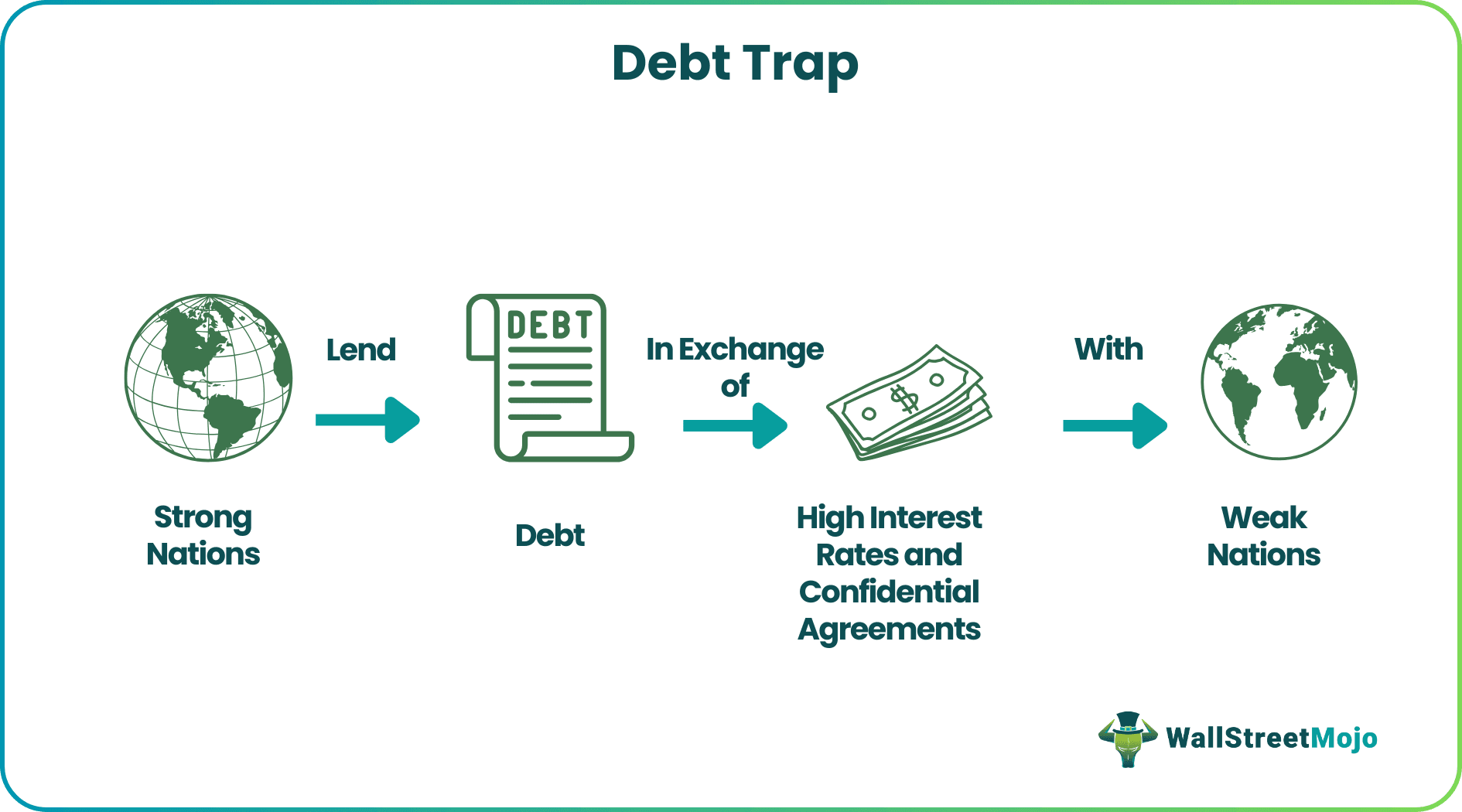
This creates an Intertemporal Arbitrage. Drax receives 2025-value currency for 2085-value carbon sequestration. From a data-driven perspective, the subsidy is a high-interest loan taken out against the environment, where the principal is never repaid if the demand for biomass continues to outpace the rate of reforestation.
Mechanical Inefficiencies and the Energy Return on Investment (EROI)
A rigorous analysis of Drax must account for the Energy Return on Investment. Biomass has a significantly lower energy density than fossil fuels.
- Volumetric Density: Wood pellets require significantly more storage and transport volume than coal for the same caloric output.
- Moisture and Processing: Fresh wood must be debarked, chipped, dried, and pelletized. Each stage consumes energy, often derived from fossil fuels in the US or Canada.
- Thermal Efficiency: The conversion efficiency of biomass-to-electricity in aging thermal plants like Drax is roughly 30% to 40%.
When these factors are aggregated, the net energy delivered to the UK grid per unit of carbon emitted is lower than that of high-efficiency Combined Cycle Gas Turbines (CCGT). The subsidy, therefore, does not just support "green" energy; it supports a thermodynamically inferior process that requires massive fiscal intervention to remain competitive with wind or solar, which have EROIs an order of magnitude higher.
The BECCS Pivot: A Strategic Hedge Against Obsolescence
The 2025 subsidy record comes at a time when Drax is aggressively lobbying for Bioenergy with Carbon Capture and Storage (BECCS). This represents a strategic pivot to secure long-term subsidies post-2027, when current RO support is scheduled to expire.
The logic of BECCS is that by capturing $CO_{2}$ at the stack and burying it, the process becomes "carbon negative." However, the engineering reality introduces two massive bottlenecks:
- The Parasitic Load: Carbon capture equipment requires immense amounts of steam and electricity to operate. Estimates suggest that 20% to 25% of the power generated by burning the biomass would be consumed just to run the capture system. This further collapses the EROI.
- Capital Intensity: The infrastructure for transporting and storing $CO_{2}$ under the North Sea does not yet exist at the required scale. Drax is essentially asking for a new "Double Subsidy"—one for the power generated and another for the carbon captured.
Market Distortions and the Crowding Out Effect
The allocation of £999 million to a single entity creates a significant "Opportunity Cost." In a capital-constrained environment, every pound spent on biomass is a pound not spent on:
- Long-duration Energy Storage (LDES): Batteries or pumped hydro that could solve the intermittency of wind and solar without the carbon debt of biomass.
- Grid Modernization: Reducing the "curtailment" costs where the UK pays wind farms to turn off because the grid cannot handle the load.
- Nuclear Baseload: High-density, zero-carbon power that does not rely on international timber supply chains.
The Drax subsidy functions as a protectionist barrier for 20th-century thermal technology. It preserves the centralized "burn-and-turn" utility model at the expense of a decentralized, high-efficiency renewable grid.
The False Equivalence of Waste Wood vs. Whole Trees
A core defense of the biomass industry is the use of "thinnings" and "residues." In a strict forest management model, these are branches and sawdust that would decompose anyway. However, the sheer scale of Drax’s consumption—nearly 7 million tonnes of pellets annually—exceeds the natural supply of genuine waste wood in its catchment areas.
Data from satellite monitoring and forestry audits frequently indicate the harvesting of primary forests or high-biodiversity areas to meet the volumetric demands of the Drax boilers. Once "whole trees" enter the supply chain, the carbon-neutrality argument collapses entirely. The wood is no longer a byproduct; it is a primary fuel source with a carbon footprint that exceeds that of the fossil fuels it is meant to replace.
Strategic Realignment: The Path to Fiscal and Ecological Integrity
The current subsidy trajectory for biomass is unsustainable. To rectify the market distortion and ensure the UK reaches its 2050 Net Zero targets without reliance on accounting tricks, the following structural shifts are required:
- Implementation of a Dynamic Carbon Parity Tax: Subsidies should be indexed to the actual CPT of the fuel source. If a pellet source takes 50 years to regrow, the subsidy should be reduced by a corresponding "Carbon Debt Interest Rate."
- Strict Calorific Thresholds: Support should be restricted to "High-Value Biomass" where the EROI meets a minimum threshold (e.g., 10:1), effectively disqualifying long-distance trans-Atlantic pellets.
- End-to-End Carbon Accounting: The UK ETS must be updated to include stack emissions for biomass, forcing Drax to compete on a level playing field with other thermal generators. If the technology is truly carbon-neutral over the long term, the company should be able to finance that gap through private carbon markets rather than direct taxpayer transfers.
The 2025 record spend is likely the peak of the biomass era. As the delta between the cost of offshore wind and the cost of subsidized biomass continues to widen, the political and economic justification for the Drax model becomes indefensible. The strategic move for UK energy policy is to transition these funds toward grid-scale storage and genuine zero-carbon baseload, treating the current biomass reliance as a temporary, albeit expensive, bridge that has stayed open far too long.